








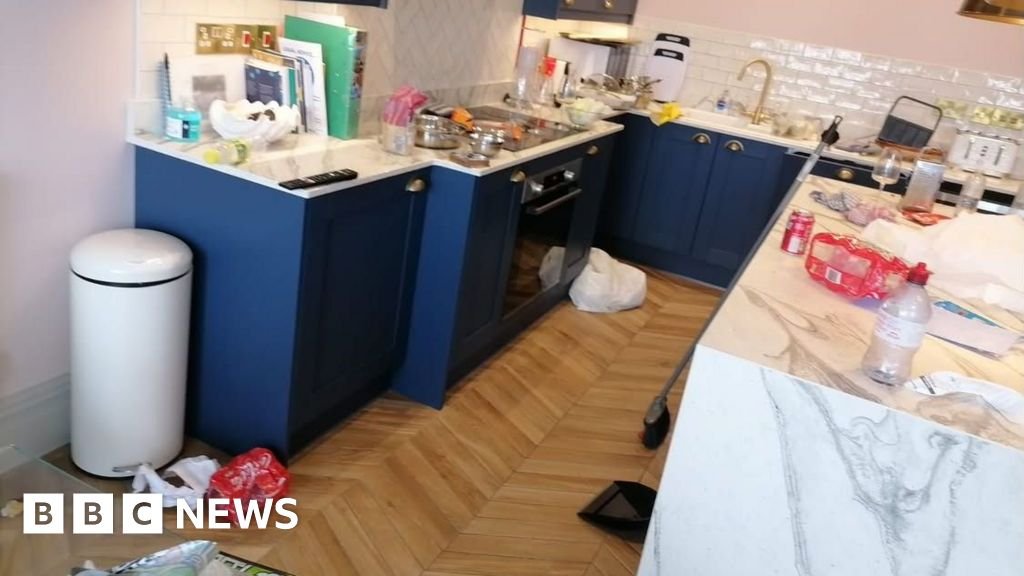
Airbnb has announced a significant shift in its platform policies, signaling a crackdown on the “chore lists” that have become a point of friction for many travelers. Starting this November, the short-term rental giant will prohibit hosts from requiring guests to perform excessive cleaning tasks, such as stripping beds, doing laundry, or taking out the trash before check-out.
The update arrives as Airbnb looks to streamline the user experience, leaning heavily into its data-driven understanding of guest satisfaction. By removing these post-stay burdens, the platform aims to better align itself with the convenience standards of the broader tech-enabled hospitality sector.
The Role of Data and AI in Guest Experience
This policy update is part of a wider strategy at Airbnb to leverage machine learning and vast amounts of guest feedback data to optimize the platform’s ecosystem. Behind the scenes, Airbnb’s engineering teams use sentiment analysis—an application of natural language processing (NLP)—to scan millions of reviews. For years, the data has consistently shown a negative correlation between high-effort checkout requirements and “five-star” ratings.
By analyzing guest complaints regarding “hidden” chores, Airbnb’s recommendation algorithms have likely flagged these tasks as a primary detractor for repeat bookings. The platform is increasingly using AI to coach hosts on best practices, and this latest mandate is the result of that diagnostic process. In a tech landscape where personalization and frictionless interaction are the gold standards, Airbnb is moving away from the “do-it-yourself” model to ensure it remains competitive against traditional hotels and modern tech-forward hospitality startups.
Standardizing the Airbnb Ecosystem
Historically, Airbnb operated as a decentralized marketplace, with each property functioning like an independent business. However, as the company matures, it is moving toward a more standardized “product” experience. This update serves as a leveling of the playing field. Guests often complain about the inconsistency of expectations—where some hosts demand deep cleaning while others simply ask for a lock-up.
This move reflects a broader trend in the tech industry where major platforms are exerting more top-down control over their service providers to ensure brand consistency. Much like how Google sets strict design and performance guidelines for developers in the Play Store, Airbnb is enforcing a “service standard” that guests can expect regardless of the specific location. By requiring hosts to consolidate cleaning fees into the total price rather than offloading labor onto the guest, the company is attempting to enhance the transparency of its booking interface—a priority that has been a focal point for global regulators.
Future Implications for Tech-Driven Hospitality
The implications of this policy extend beyond simple chores; they touch upon the future of property management technology. As Airbnb limits the physical tasks guests must perform, property managers are increasingly turning to “smart” tech to bridge the gap. We are seeing a surge in the integration of IoT-enabled devices, such as automated climate control and digital lock systems, which allow hosts to verify the state of a property remotely without forcing guests to handle maintenance tasks.
Furthermore, as Airbnb continues to refine its search and discovery features, these new cleanliness standards will likely be integrated into the platform’s ranking algorithm. Hosts who adhere to these guest-friendly policies will likely see their listings boosted in search results. This creates a self-reinforcing loop where tech-enabled compliance leads to better visibility and higher revenue.
As we approach the November deadline, the message to the host community is clear: in the era of high-tech travel, the priority is on a frictionless experience. Whether through better software integration or revised operational workflows, Airbnb is ensuring that its platform remains a seamless digital interface, rather than a labor-intensive chore for the modern traveler.
Disclaimer: This content is auto-generated for informational purposes only.
Source: Read Original News