









The Mechanics of Energy Pricing and Global Volatility
The recent upward revision in the price of commercial Liquefied Petroleum Gas (LPG) and Aviation Turbine Fuel (ATF) by Indian oil marketing companies (OMCs) underscores the persistent fragility of the global energy supply chain. For the third and fourth consecutive months respectively, businesses in the hospitality and aviation sectors have faced increased operating costs, driven primarily by the sustained elevation of international crude oil prices. With Brent crude consistently hovering above the 110-dollar mark and the Indian basket of crude averaging record highs, the domestic pricing mechanism serves as a direct transmission belt for global geopolitical and economic pressures.
Oil marketing companies operate under a mandate to revise prices for ATF and commercial LPG on the first of every month, utilizing a formula that pegs local rates to international benchmarks and the prevailing rupee-dollar exchange rate. When global benchmarks remain elevated, the local cost of procurement rises. Unlike domestic LPG, which often benefits from government-mediated stability to protect household budgets, commercial fuels operate in a market-linked environment. This structural reality means that the industrial and service sectors of the Indian economy must absorb the volatility of the global energy market without the cushion of state-led subsidies.
Impact on the Hospitality and Restaurant Industry
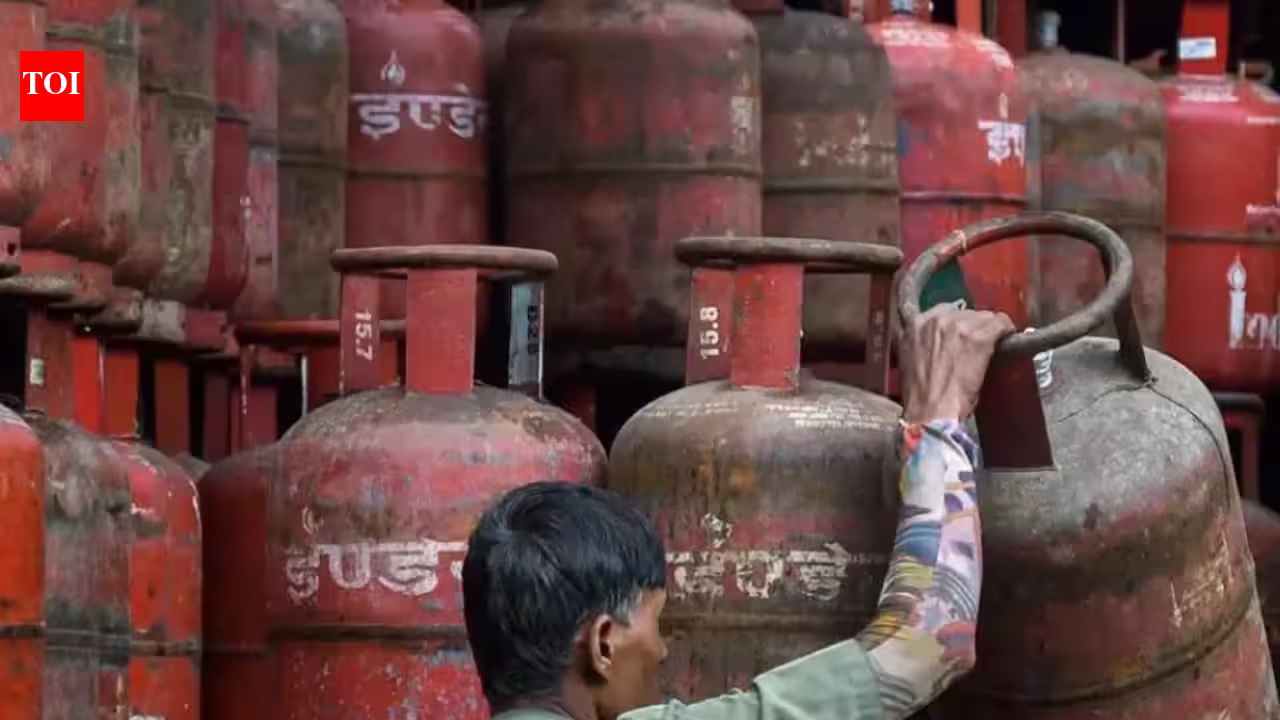
The increase in commercial LPG rates—a vital utility for hotels, restaurants, and catering services—presents a significant challenge for the hospitality sector. As a 19-kg cylinder moves toward the 3,000-rupee threshold in many metropolitan areas, businesses are finding their profit margins compressed. In the restaurant industry, where margins are already sensitive to fluctuations in food inflation and labor costs, the rising price of cooking fuel acts as an additional burden that cannot easily be offloaded to consumers without risking a decrease in footfall.
Small and medium-sized enterprises (SMEs) in the food services space are particularly vulnerable. Unlike large hotel chains that may have long-term procurement contracts or the ability to implement dynamic menu pricing, independent eateries often operate on thin margins. A sustained monthly increase in energy expenditure forces these business owners to make difficult strategic decisions: they must either absorb the cost, reduce operational hours to minimize consumption, or raise prices on a menu that is already battling a broader inflationary environment. This pressure illustrates the ripple effect of energy costs throughout the domestic service economy.
Aviation Sector Challenges and Operational Costs
The aviation industry faces a more acute set of challenges regarding the hike in ATF prices. Aviation turbine fuel consistently ranks as one of the largest expenditure categories for airlines, often accounting for 30 to 40 percent of total operating costs. As ATF rates hit new highs, the fiscal health of Indian carriers is once again under the microscope. Given that the industry is still recovering from the structural disruptions of the past few years, the continuous upward trend in fuel prices hampers the ability of airlines to lower ticket prices and stimulate growth in passenger demand.
For the aviation sector, there is little room for operational maneuvering. The fuel efficiency of modern aircraft is a long-term goal, but in the short term, airlines must contend with the immediate impact of global oil price volatility. While some airlines engage in hedging strategies—purchasing fuel at fixed rates in advance—these instruments carry their own risks and are often unavailable or too expensive for all market participants. Consequently, the rising cost of ATF is almost invariably reflected in higher airfares, which in turn influences business travel patterns and the overall competitiveness of the Indian aviation sector on a global scale.
The Dynamics of the Rupee-Dollar Exchange Rate
A frequently overlooked factor in India’s energy import bill is the currency dimension. Because India imports a vast majority of its crude oil requirements, the pricing mechanism is as much about the strength of the Indian rupee as it is about the price of oil per barrel. When the rupee depreciates against the dollar, the cost of importing energy rises even if the global price of oil remains flat. This dual exposure to commodity price volatility and currency fluctuations creates a complex environment for economic planning.
The current situation highlights the inherent limitations of a net-import-dependent energy strategy. While the government has taken steps to diversify energy sources, the transition toward renewable energy and increased domestic production remains a work in progress. For now, the economic impact of global crude oil surges is amplified by the exchange rate, forcing Indian businesses to navigate an environment where their input costs are dictated by international markets they cannot control. This underscores the necessity for businesses to prioritize energy efficiency and technological adoption to mitigate the impact of periodic price hikes.
Broader Economic Implications and Future Outlook
The stability of fuel prices, particularly for petrol and diesel, remains a point of observation for policymakers, as these commodities have a direct impact on logistics and the transport of essential goods. While the current decision to leave these prices unchanged provides a temporary respite for the broader economy and helps manage inflationary expectations, it also highlights the selective nature of the current market burden. Commercial LPG and ATF represent essential inputs for specific segments, and their rising costs contribute to “cost-push” inflation, where the higher price of production is passed down through the supply chain.
Looking ahead, the predictability of these monthly revisions remains a core concern for corporate finance departments across India. Businesses that rely on these fuels are now compelled to bake energy price volatility into their annual budgets. The long-term solution for these industries lies in a structural shift—investing in energy-efficient machinery, moving toward electric-powered commercial appliances, and exploring alternative fuel sources where feasible. However, until such infrastructure and technology reach widespread adoption, the Indian service and aviation sectors will remain tethered to the fluctuations of the global oil market. The current trends serve as a stern reminder of the interconnectedness of global energy prices and the bottom-line performance of Indian enterprises.
Disclaimer: This content is auto-generated for informational purposes only.
Source: Read Original News