







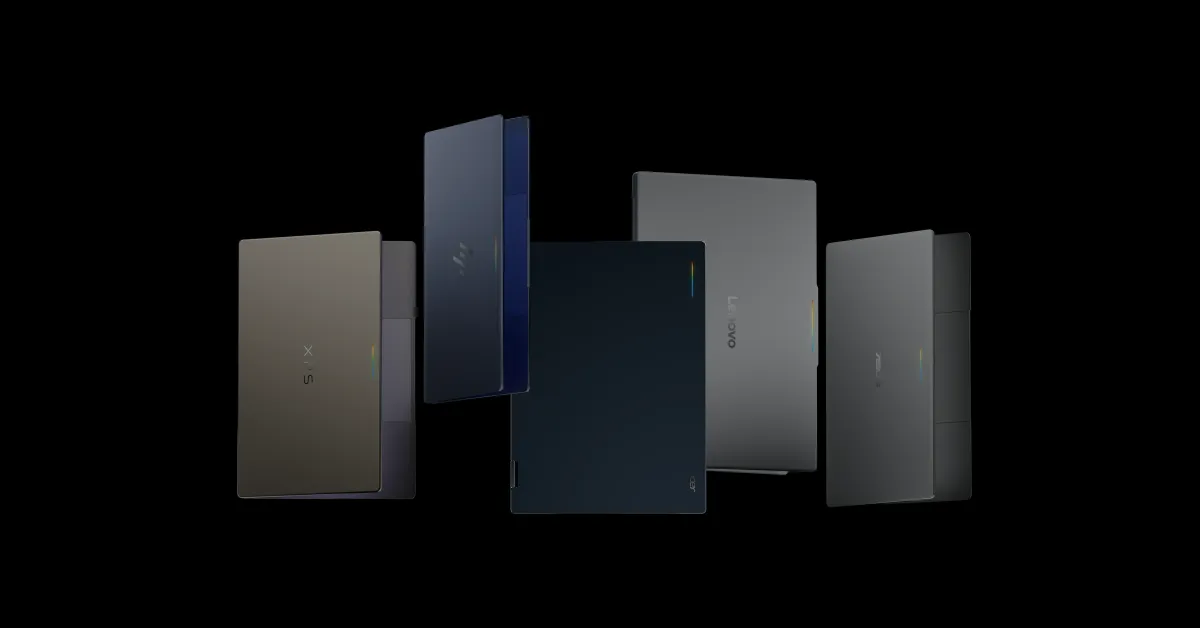
The recent Android Dev Summit 2026 served as a pivotal stage for Google to unveil the next phase of its hardware ecosystem. While clamshell laptops have dominated the current Googlebook lineup, the company officially confirmed that detachable form factors are on the horizon. This expansion signifies a broader push to bring the Googlebook operating system to a wider variety of hardware, moving beyond traditional notebook configurations.
The Evolution of the Googlebook Form Factor
Googlebook initially launched with a clear focus on the clamshell market, providing a stable, high-performance environment for productivity. However, the announcement at the Android Dev Summit highlighted a strategic shift toward versatility. By incorporating detachable designs, Google aims to bridge the gap between heavy-duty computing and portable tablet usage.
The transition to detachables is a logical step given the current market demand for devices that can function as both high-powered work stations and lightweight media consumption tools. During the developer keynote, Google emphasized that the Googlebook platform is architected to span multiple screen configurations, ensuring that the software adapts fluidly to the hardware housing it.
Current Limitations and Software Readiness
Despite the excitement surrounding the new form factor, Google is currently refining the user experience for non-clamshell devices. At present, the Acer Googlebook 14 represents the only convertible model in the initial rollout. While it provides flexibility through laptop, tent, and tablet modes, there are notable software constraints that reveal the platform is still in its infancy regarding portrait-oriented tasks.
As of now, the Googlebook OS homescreen, the app tray, and the Overview menu are strictly optimized for landscape orientation. While individual applications can scale to accommodate portrait tablet mode, the underlying desktop environment does not yet rotate or reconfigure its layout. This indicates that while the hardware foundation is ready for deployment, Google engineers are still working on the interface logic required for a seamless transition into a true tablet experience.
The Expected Arrival of Lenovo Detachables
Industry analysts and recent leaks point to Lenovo as the likely pioneer for the first dedicated Googlebook detachable. Reports suggest that this upcoming device will feature a magnetic detachable keyboard and an integrated kickstand, similar to popular industry standards for high-end tablets. One of the more intriguing design elements rumored for this hardware is a specialized Glowbar positioned near the camera, potentially serving as a notification or status indicator.
The introduction of this device will likely coincide with an expansion of the Googlebook hardware portfolio, as leaks have also suggested the existence of a more compact laptop model. By diversifying the physical design of its devices, Google is positioning the platform to compete directly with other modular operating systems that dominate the professional and educational sectors.
The Intersection of Android and Googlebook OS
The move to bring Googlebook OS to detachable tablets raises significant questions regarding the future of high-end Android tablets. Historically, Android has been the primary choice for mobile-first computing, but the specialized nature of Googlebook OS—which offers a more robust, desktop-class experience—suggests a bifurcation in Google’s strategy.
It is probable that Google intends to maintain Android as the operating system for mobile-centric touch devices while reserving Googlebook OS for high-performance tablets that demand windowed multitasking and file management capabilities. As Google continues to iterate on its desktop-like features, the distinction between a smartphone-based tablet experience and a true portable workstation will become increasingly pronounced.
Strategic Impact on the Ecosystem
The strategic impact of this rollout is substantial for developers and users alike. By standardizing the operating system across clamshells, convertibles, and upcoming detachables, Google is creating a unified development target. This simplifies the creation of applications that can scale between a mouse-and-keyboard input model and a touch-first interface.
For the end user, this represents a promise of consistency. A user working on a project on a 15-inch clamshell will, in theory, be able to transition to a lightweight detachable device without losing access to their specific environment or software suite. This cohesive approach to hardware, supported by a scalable operating system, is the cornerstone of Google’s long-term plan to ensure its platform remains competitive in an increasingly fragmented market of computing devices. As the ecosystem matures, the focus will likely shift toward refining these touch-specific interactions and further optimizing the desktop environment for a broader range of hardware configurations.
Disclaimer: This content is auto-generated for informational purposes only.
Source: Read Original News