









India Emerges as Global Hub for Illegal Primate Trafficking
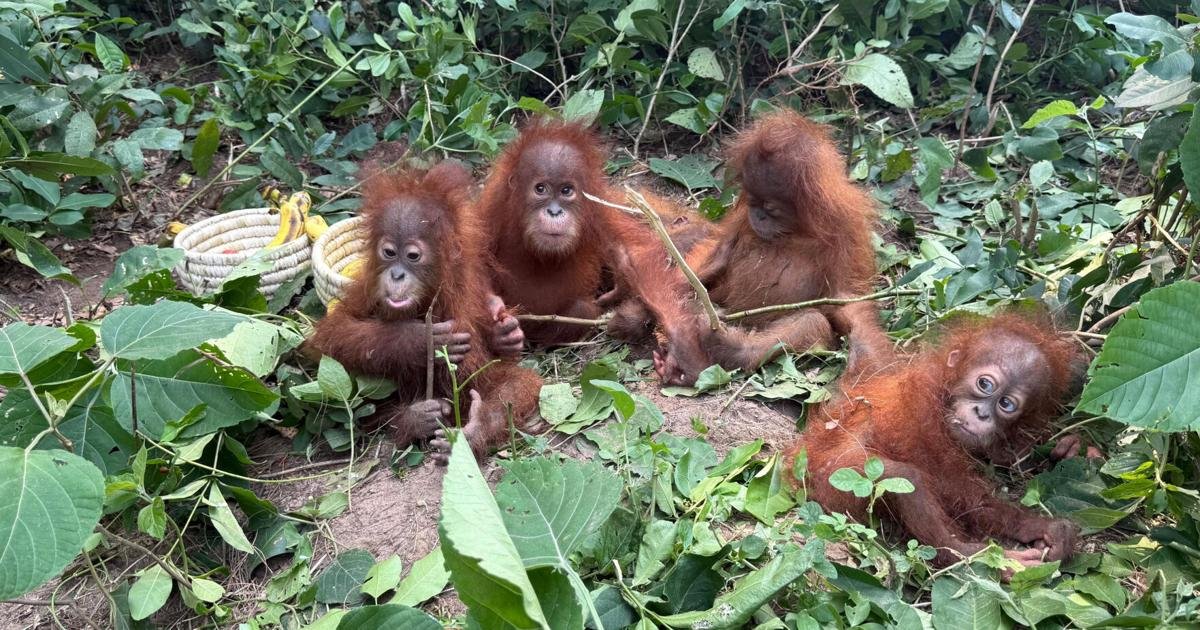
The discovery of five infant orangutans in a casuarina forest in Odisha earlier this September has sent shockwaves through the conservation community. These three males and two females, all under eight months old, were found abandoned over 1,700 miles away from their natural habitats in the rainforests of Borneo and Sumatra. Now housed in an Indian zoo—where keepers are reportedly using classical music to calm the traumatized animals—the rescue highlights a grim trend: India has rapidly become a primary destination for the international illicit trade of endangered primates.
A Growing Market for Exotic “Status Symbols”
Wildlife experts suggest that the surge in trafficking is driven by wealthy collectors who view these rare apes as ultimate status symbols. According to recent research, the global illegal wildlife trade is valued at $34 billion annually, with India increasingly acting as a major consumer market. The rise in direct air travel from hubs like Bangkok and Kuala Lumpur has provided traffickers with faster, more efficient, albeit high-risk, routes to bypass traditional border security.
The numbers are alarming. Between 2022 and 2024, multiple seizures occurred across the country, from airports in the northeast to private apartments near Mumbai. In 2025 alone, at least 23 gibbons were confiscated at Indian airports, while authorities in Egypt intercepted three sedated chimpanzees bound for India. Sinan Serhadli, a specialist with the Orangutan Information Centre in Indonesia, identifies India as the world’s leading destination for the live primate trade.
Regulatory Gaps and Legal Loopholes
India’s domestic wildlife legislation was historically crafted to protect indigenous fauna, such as tigers and rhinoceroses, rather than exotic imports. The regulatory landscape shifted in 2020 when the government introduced an amnesty program allowing citizens to register exotic pets without demanding proof of origin—a move intended to curb disease transmission during the pandemic. Critics argue this move effectively “opened the floodgates,” providing a mechanism for smugglers to launder trafficked animals by claiming them as registered, “legally acquired” pets.
Although the government strengthened wildlife laws in 2022 to grant authorities broader seizure and prosecution powers, enforcement remains hampered by a lack of specialized staff and expertise to distinguish between species and verify breeding permits.
The Vantara Controversy and International Scrutiny
The trade has also raised questions regarding the oversight of large-scale private facilities. Vantara, a massive 3,500-acre wildlife center in western India, has become a lightning rod for controversy. While the facility, run by the family of billionaire Mukesh Ambani, describes itself as a rescue and rehabilitation center, it has faced intense scrutiny from global conservation groups over its diverse acquisitions, which include snow leopards from Germany and gorillas from Haiti.
Of particular concern to international agencies like CITES is the reported possession of a Tapanuli orangutan—the world’s rarest great ape, with fewer than 720 individuals remaining in the wild. While Vantara maintains that the animal was imported legally, it admitted that the chain of custody remains unclear. As Indonesia works to verify the origins of the five infants found in Odisha and pursue potential repatriation, the international community continues to pressure Indian authorities to close the legislative loopholes that allow these critically endangered species to disappear into private collections.
Disclaimer: This content is auto-generated for informational purposes only.
Source: Read Original News