








The perceived divide between the Humanities and the technological sector is rapidly dissolving, giving rise to a new academic paradigm: the Digital Humanities. For students navigating the current job market, this shift offers a strategic advantage. Rather than being displaced by innovation, Humanities disciplines are being empowered by it, necessitating a new educational policy that prioritizes a “bilingual” approach to learning—mastering both interpretive critical thinking and computational proficiency.
The Convergence of Disciplines
For decades, higher education institutions maintained rigid silos between liberal arts and technical sciences. However, the emergence of Digital Humanities as a formal field—with dedicated departments and specialized degree programs—signifies a move toward interdisciplinary integration.
This evolution is critical for students concerned about the “future-proofing” of their degrees. The assumption that technology would render Humanities studies redundant has been proven false. Instead, technology has widened the scope of these disciplines, allowing them to address modern problems that algorithms alone cannot solve. In the modern classroom, this means students must now supplement their core study of history, philosophy, or literature with training in statistical methods, coding, or data management.
Career Paths: Where Ethics Meets Algorithms
The integration of these fields is best exemplified by the rise of new professional roles that require a dual skill set.
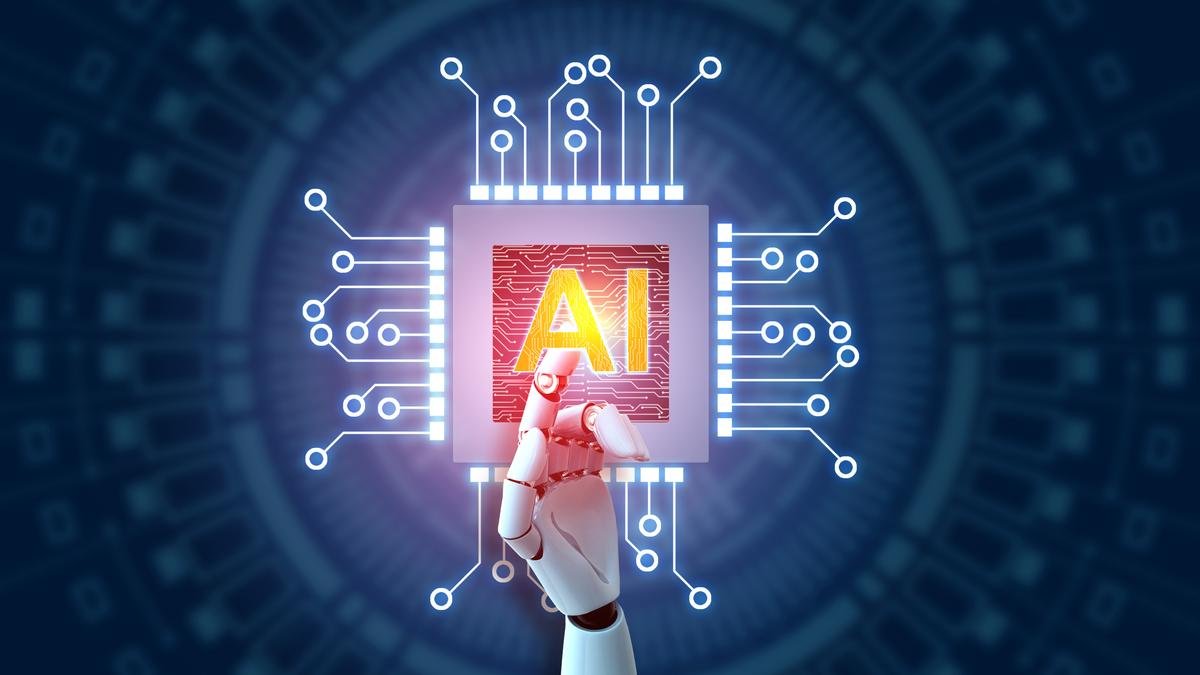
- AI Ethics Specialists: As artificial intelligence dictates outcomes in loan approvals, hiring, and digital content moderation, technical systems require human oversight. Philosophy and history graduates are now essential in tech companies to interrogate the values, biases, and fairness metrics embedded within machine learning models.
- Cultural Analysts: Researchers now use natural language processing and text mining to analyze vast archives of literature and historical data. This work requires an undergraduate foundation in linguistics or literature combined with postgraduate training in Python and computational statistics.
- Digital Curators: The modern museum environment has moved toward immersive, augmented reality (AR) experiences. Professionals in this space must combine traditional art history knowledge with technical proficiency in interface design and digital exhibition management.
Redefining Economics and Academic Policy
This shift is not limited to the arts. Economics, traditionally a social science, has been revolutionized by the availability of real-time data. Today’s policy mandates that students not only grasp economic theories but also master Econometric techniques, mathematical modeling, and sophisticated software packages. This allows graduates to provide actionable solutions for complex, real-world fiscal and developmental challenges that were previously beyond the reach of manual analysis.
Strategic Academic Planning
For students and academic planners, the roadmap for success is becoming increasingly clear. The goal is no longer to choose between “Humanities” and “Tech,” but to bridge them.
Educational institutions are increasingly encouraging students to pair an undergraduate Humanities degree with a postgraduate certification or specialization in a digital field. This creates a professional profile defined by discernment—the ability to ask the right questions—and computational power—the ability to process the data to find answers.
Algorithms excel at pattern recognition, but they lack the capacity for cultural nuance, moral reasoning, and critical examination. As the workplace continues to evolve, the ability to interpret the human experience through a digital lens will be the most sought-after skill of the 21st century. The Humanities are not being replaced; they are being expanded, offering students a wider and more varied range of professional futures than ever before.
Disclaimer: This content is auto-generated for informational purposes only.
Source: Read Original News