








The Shift Toward Generative Audio Integration
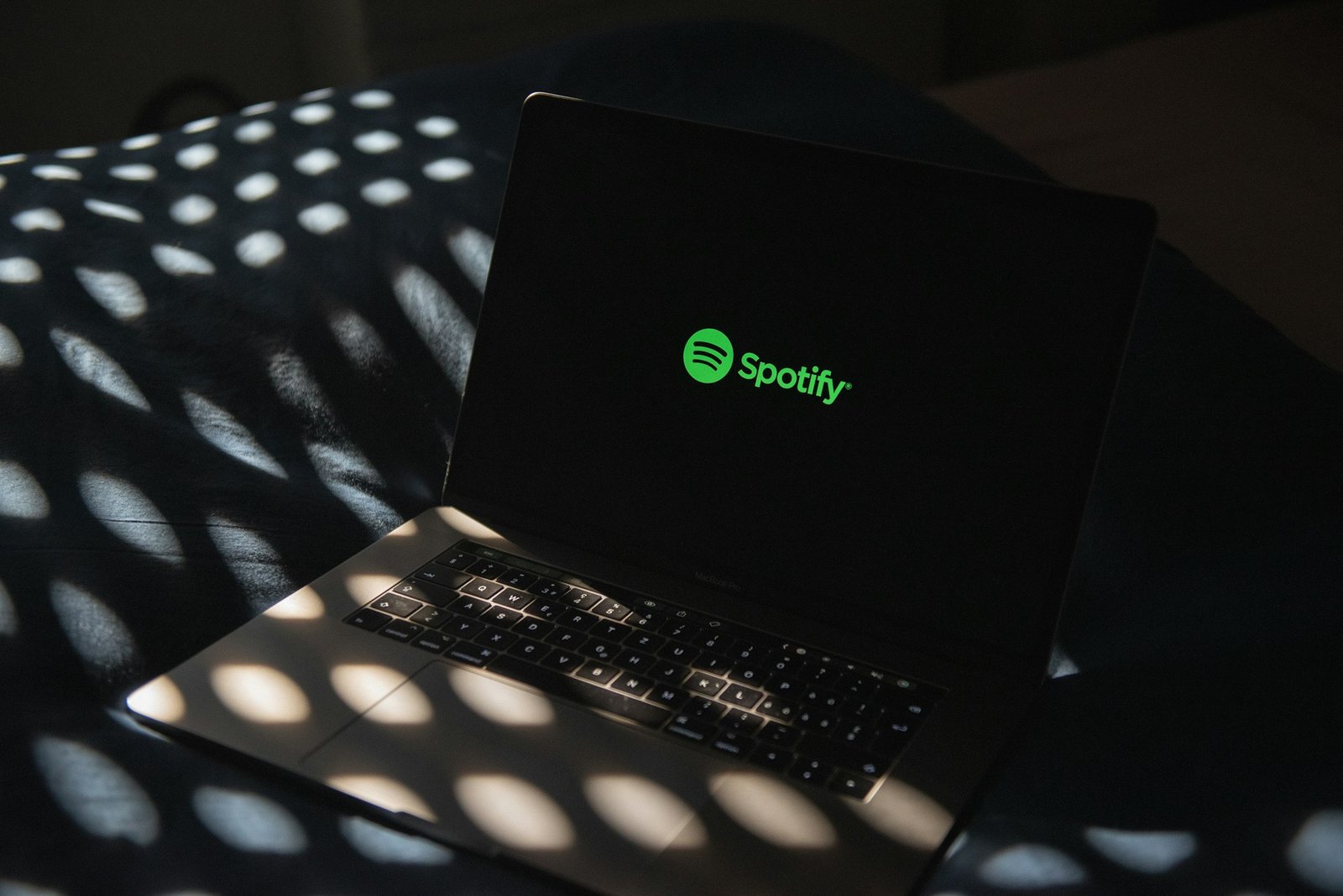
Spotify is preparing to integrate a new set of artificial intelligence-powered features designed to allow users to generate remixes and covers of existing tracks within their library. This development represents a significant strategic pivot for the streaming platform, moving beyond traditional music distribution and into the realm of generative creation. Industry reports suggest that this functionality may debut as soon as February, signaling a transition toward a more interactive, user-led listening model. However, the introduction of these tools has sparked considerable discourse regarding their implementation, particularly as the company considers placing these features behind an additional subscription tier, potentially increasing costs by approximately five dollars per month.
The technical architecture behind this update relies on large-scale generative models capable of isolating individual stems—such as vocals, percussion, and instrumentation—to manipulate tracks in real time. By providing users with a suite of tools to alter the tempo, arrangement, and stylistic elements of copyrighted music, Spotify aims to increase time-spent-on-platform metrics. This feature set essentially lowers the barrier to entry for amateur music production, allowing non-musicians to experiment with creative outputs using the platform’s vast repository of licensed content.
Technical Challenges and Licensing Complexity
The deployment of generative AI in a commercial music environment introduces profound technical and legal complexities. While the software can seamlessly isolate audio components, the process of re-synthesizing those components into a high-fidelity “remix” requires significant computational power, likely handled via cloud-based processing. More importantly, the licensing implications remain largely unresolved. Currently, music streaming agreements are structured around the playback of original masters and their associated publishing rights. Authorizing users to generate derivative works at scale requires a robust framework for attribution and revenue sharing.
If these tools enable users to distribute their generated covers or remixes, the platform must establish automated content identification systems to manage copyright infringement claims. Failure to account for the impact on original artists—who may find their work modified in ways that violate their intent or brand identity—could create friction between the platform and the creative community. Furthermore, the reliance on proprietary models to re-interpret musical data risks homogenizing the listening experience, as generative outputs often trend toward a statistical average of the training data rather than true innovation.
The Rise of Independent Ecosystems
As Spotify pivots toward these generative tools, a portion of the user base is re-evaluating the value proposition of centralized streaming services. The alternative, a move toward independent music platforms like Bandcamp, emphasizes direct commerce. In this model, listeners purchase high-fidelity digital files or physical media directly from the artists, ensuring that a larger percentage of revenue reaches the creators. This approach bypasses the algorithmic delivery systems of major platforms, returning control to the artist and listener relationship.
For listeners who require the convenience of a streaming library but wish to exit the Spotify ecosystem, several alternatives currently provide stable, high-fidelity environments. Platforms like Tidal and Qobuz have gained traction by prioritizing lossless audio quality and transparency in artist payouts. These services focus on the integrity of the music playback rather than the addition of social media-style engagement features or generative AI tools. By choosing platforms that emphasize high-bitrate audio formats, such as FLAC or ALAC, users can ensure their library remains accessible and technically superior to the compressed streams offered by mass-market competitors.
Strategies for Migrating Digital Libraries
Transitioning away from a long-term streaming service is often viewed as a daunting task due to the perceived difficulty of moving years of curated playlists and saved albums. However, the technical process is increasingly streamlined through third-party migration tools. Services such as Free Your Music or TuneMyMusic function as intermediaries that bridge the application programming interfaces (APIs) of different music services. These tools allow users to sync their metadata across platforms, moving thousands of songs without the need for manual curation.
The migration process typically follows a three-step cycle: authentication, mapping, and synchronization. Users grant the migration tool read access to their source library, which then analyzes the tracks and searches for the corresponding International Standard Recording Code (ISRC) on the target service. This code ensures that the correct version of a song—the original master rather than a live or remixed variant—is added to the new library. For users managing podcasts alongside their music, dedicated applications like Pocket Casts offer a platform-agnostic solution that avoids the technical limitations of being locked into a single ecosystem.
Market Impact and Future Outlook
The move to monetize generative AI features highlights a critical juncture for the streaming industry. By introducing a premium surcharge for creative tools, Spotify is testing the elasticity of its subscriber base. There is a distinct divide between users who prioritize discovery and passive listening and those who are increasingly concerned with ethical consumption and the impact of automation on the music industry. As the platform evolves, the divergence between centralized, feature-heavy services and decentralized, quality-focused alternatives will likely widen.
Ultimately, the choice of platform is becoming a reflection of how a consumer values the role of the platform in the creative process. Whether one views the integration of AI-driven remixing as an evolution of listening or an intrusion into the artist-listener dynamic will determine the long-term viability of these new features. As the technology landscape continues to shift, the capability to quickly export and re-import music libraries will remain a critical consumer right, ensuring that listeners maintain ownership of their personal musical history regardless of the strategic pivots made by major corporations.
Disclaimer: This content is auto-generated for informational purposes only.
Source: Read Original News