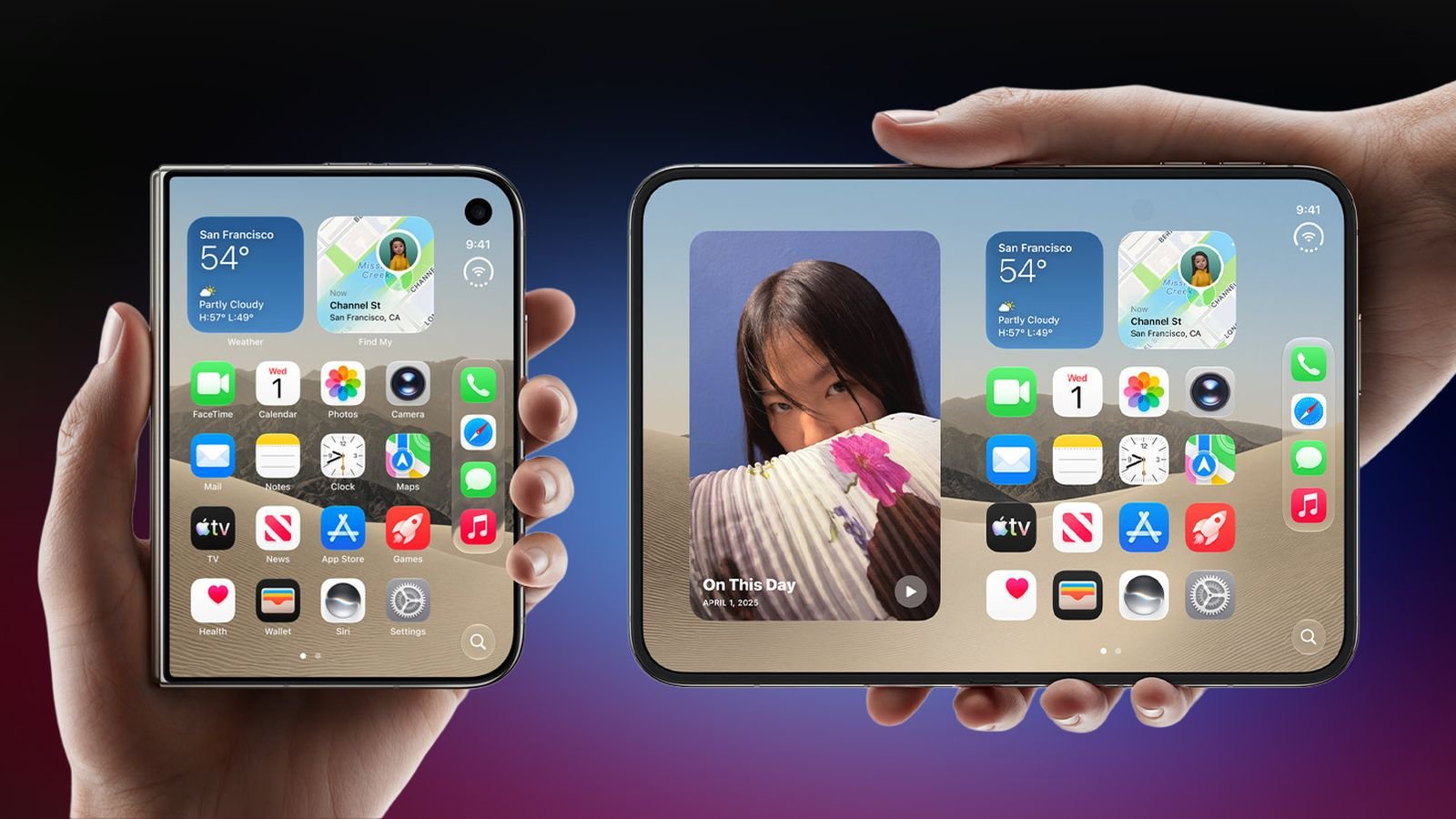









The Arrival of Revelation: A Technical Leap for Portable Gaming
The landscape of handheld computing continues to evolve at an accelerated pace, and the latest hardware revelation promises to redefine the boundaries of mobile performance. As enthusiasts and industry analysts have noted, the demand for high-fidelity graphics and seamless processing in a portable form factor has never been higher. The recently announced Revelation platform represents a significant departure from existing architectures, focusing on thermal efficiency and high-bandwidth data processing to deliver a console-quality experience in the palm of one’s hand. By leveraging a custom-engineered System-on-Chip (SoC) designed specifically for low-voltage, high-output gaming, this hardware aims to solve the perennial struggle between battery longevity and raw frame-rate stability.
The core of this new technology lies in its sophisticated heat dissipation management system. Unlike traditional devices that throttle performance when thermal thresholds are breached, Revelation utilizes a vapor-chamber cooling solution paired with an intelligent power-scaling algorithm. This allows the processor to maintain peak clock speeds for extended sessions, effectively eliminating the stuttering often associated with hardware strain during graphic-intensive sequences. For the end user, this translates to a consistent frame rate, even when rendering complex geometry or high-resolution textures that typically require active desktop cooling solutions.
Architectural Innovations in Processing and Memory
At the heart of the device is a bespoke processor architecture that prioritizes throughput efficiency. Traditional mobile chipsets often rely on off-the-shelf components, but Revelation integrates a dedicated neural processing unit (NPU) alongside its graphical core. This NPU is tasked with real-time frame reconstruction and image upscaling, which significantly reduces the native render load on the GPU. By rendering at a lower internal resolution and utilizing advanced temporal reconstruction techniques, the system achieves a visual fidelity that mimics native high-definition output without the associated power consumption.
Furthermore, the integration of LPDDR5X memory provides a massive increase in data transfer rates compared to previous generations. This speed is vital for the rapid loading of assets in open-world environments, minimizing wait times and ensuring that textures pop into the scene without noticeable delay. The synergy between the memory speed and the custom SoC ensures that the communication bottleneck between the CPU and GPU is practically non-existent. This technical foundation not only supports current software libraries but provides sufficient overhead for developers to optimize future titles for more complex physical simulations and lighting models.
Display Technology and Visual Fidelity
The visual experience provided by Revelation is anchored by an OLED panel that boasts a wide color gamut and exceptional contrast ratios. Beyond the basic display specifications, the implementation of variable refresh rate (VRR) technology is a standout feature. VRR allows the display to synchronize its refresh rate dynamically with the frame rate output of the GPU. This eliminates tearing and judder, providing a fluid motion experience that was once exclusive to high-end desktop gaming monitors.
Engineers have also optimized the display driver to reduce latency between input commands and visual feedback. By minimizing the signal path and utilizing a dedicated controller for input processing, the system achieves a touch-to-pixel response time that satisfies the requirements for competitive play. For users interacting with titles that demand millisecond-precision, such as rhythm games or high-speed combat simulations, this reduction in latency is a critical improvement. The integration of high-dynamic-range (HDR) capabilities further enhances the visual impact, allowing for deeper shadows and more vibrant highlights, effectively widening the dynamic range of the image output.
Use-Cases and Practical Applications
While gaming is the primary focus, the technical specifications of Revelation lend themselves to a variety of secondary use-cases. Professionals and hobbyists alike will find the device capable of handling tasks that demand high-speed multitasking. For example, the underlying Linux-based operating system allows for efficient containerization and the execution of various productivity applications. With the inclusion of high-speed connectivity interfaces, the device can act as a portable workstation, enabling photo editing, light code compilation, and real-time data monitoring on the move.
The ecosystem surrounding the hardware is also designed with modularity in mind. Users can interface the device with peripheral displays and external control schemes via high-bandwidth USB-C ports, effectively transitioning the portable console into a desktop-lite setup. This versatility is supported by a robust driver stack that ensures broad compatibility with standard input devices, such as mechanical keyboards and high-precision mice. Consequently, the device serves as a bridge between the convenience of portable hardware and the functionality of traditional computing environments.
Impact on the Future of Handheld Computing
The introduction of Revelation sets a new benchmark for what manufacturers can achieve within a restrictive thermal and power envelope. As developers begin to utilize the unique feature set of the hardware, it is expected that we will see a trend toward more intelligent resource management in software development. The success of this platform relies on the efficient utilization of its hardware acceleration, which encourages a shift away from “brute-force” optimization toward smarter, more sustainable programming practices.
The implications for the industry are profound. By demonstrating that high-performance components can be cooled and powered reliably within a handheld chassis, Revelation paves the way for further miniaturization of complex hardware. This shift signals a broader move toward ubiquitous high-performance computing, where the limitations of form factor are increasingly bypassed by engineering innovation. As the ecosystem matures and more software developers align their engines with these architectural benefits, the gap between portable and stationary computing power will continue to narrow, ultimately providing users with more autonomy over how and where they engage with high-demand digital content. The Revelation platform is not merely an incremental update; it is a clear indicator of the trajectory for the next decade of mobile technology.
Disclaimer: This content is auto-generated for informational purposes only.
Source: Read Original News