








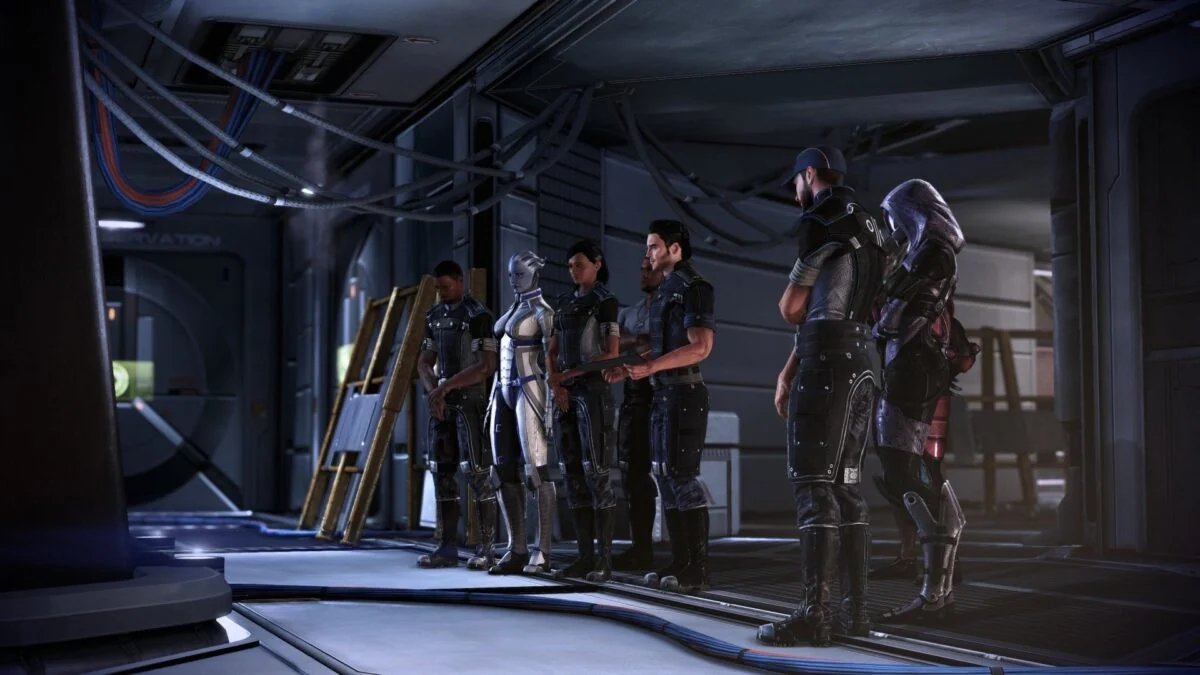
The closure of BioWare, a studio responsible for some of the most influential role-playing games of the past three decades, has sparked a massive wave of reflection across the gaming industry. Following the recent shuttering of the legendary developer by Electronic Arts, thousands of players, industry veterans, and creators have shared their personal accounts of how the studio’s narratives, mechanics, and character-driven design fundamentally reshaped their lives.
A Legacy Built on Player Agency
BioWare’s reputation was largely cemented by its mastery of player agency and complex, branching narratives. Games like the original Baldur’s Gate series and the Mass Effect trilogy introduced systems that allowed players to feel like active participants in the evolution of a fictional universe. By utilizing mechanics like the iconic dialogue wheel, which appeared in Mass Effect, the studio created a standard for interaction that remains prevalent in modern gaming.
For many developers working today, these systems served as a primary point of inspiration. Industry professionals note that the studio’s ability to weave personal stakes into grand, galaxy-spanning conflicts taught a generation of writers how to balance high-level drama with small, human-centric moments. Whether it was the morality systems of Knights of the Old Republic or the loyalty-based mechanics of Mass Effect 2, BioWare’s design language forced players to grapple with the consequences of their actions in ways that felt permanent and weighty.
Characters That Transcended the Screen
Beyond technical innovation, the studio’s true impact lay in its character work. BioWare games often functioned as spaces for self-discovery. This was particularly true for the LGBTQ+ community, who found in games like Dragon Age and Mass Effect a rare opportunity to see themselves reflected in mainstream, high-budget fantasy and science fiction.
Fans frequently cite the ability to engage in same-gender romances without them being treated as a secondary joke as a turning point in their own personal journeys. Characters like Dorian in Dragon Age: Inquisition or the various companions across the Mass Effect trilogy were often described as catalysts for personal growth, providing comfort during formative years and helping players navigate their own identities. This representation provided a level of psychological safety that few other AAA studios dared to offer during the 2000s and 2010s.
The Strength of Community Bonds
The community fostered by BioWare’s titles has proven to be as enduring as the games themselves. Countless fans reported that the shared experience of these stories served as a bridge in their personal lives, facilitating stronger connections with family members and creating long-term friendships with strangers who bonded over their love for the Normandy crew or the Wardens.
The studio was known for actively engaging with its audience, occasionally responding to personal letters with autographed memorabilia or supportive messages. This reciprocal relationship between the developers and the players solidified a sense of belonging that turned the act of playing a game into a shared, communal experience. For many, these digital worlds provided necessary solace during periods of grief, divorce, or isolation, reinforcing the idea that these narratives served as essential emotional support systems.
A Future Beyond the Studio
The abrupt end of the studio has been met with both deep sadness and sharp criticism regarding the corporate environment that led to its collapse. Following the acquisition of Electronic Arts by a conglomerate including the Saudi Arabia Public Investment Fund and Affinity Partners, many view the closure of BioWare as an act of cultural vandalism that prioritizes short-term financial metrics over the creative labor that defined the studio’s success.
Despite the frustration felt toward current corporate management, the consensus among fans and developers is that the art created by the studio has successfully transcended its source. The influence of BioWare is now embedded in the DNA of modern narrative-driven gaming. As former staff members disperse to new projects, there is a strong sense that the lessons learned within the halls of BioWare—how to build a world, how to write a character, and how to treat a player with respect—will continue to propagate throughout the industry.
Ultimately, the consensus among its followers is that while the organization is gone, the stories belong to the community now. The “BioWare experience” of forming found families, making impossible choices, and dreaming of better worlds continues to live on in the work of the designers, writers, and fans who were shaped by these experiences. As one fan aptly summarized, the end of the studio does not equate to the death of the art, as the stories they told have become a permanent fixture in the history of interactive media.
Disclaimer: This content is auto-generated for informational purposes only.
Source: Read Original News