









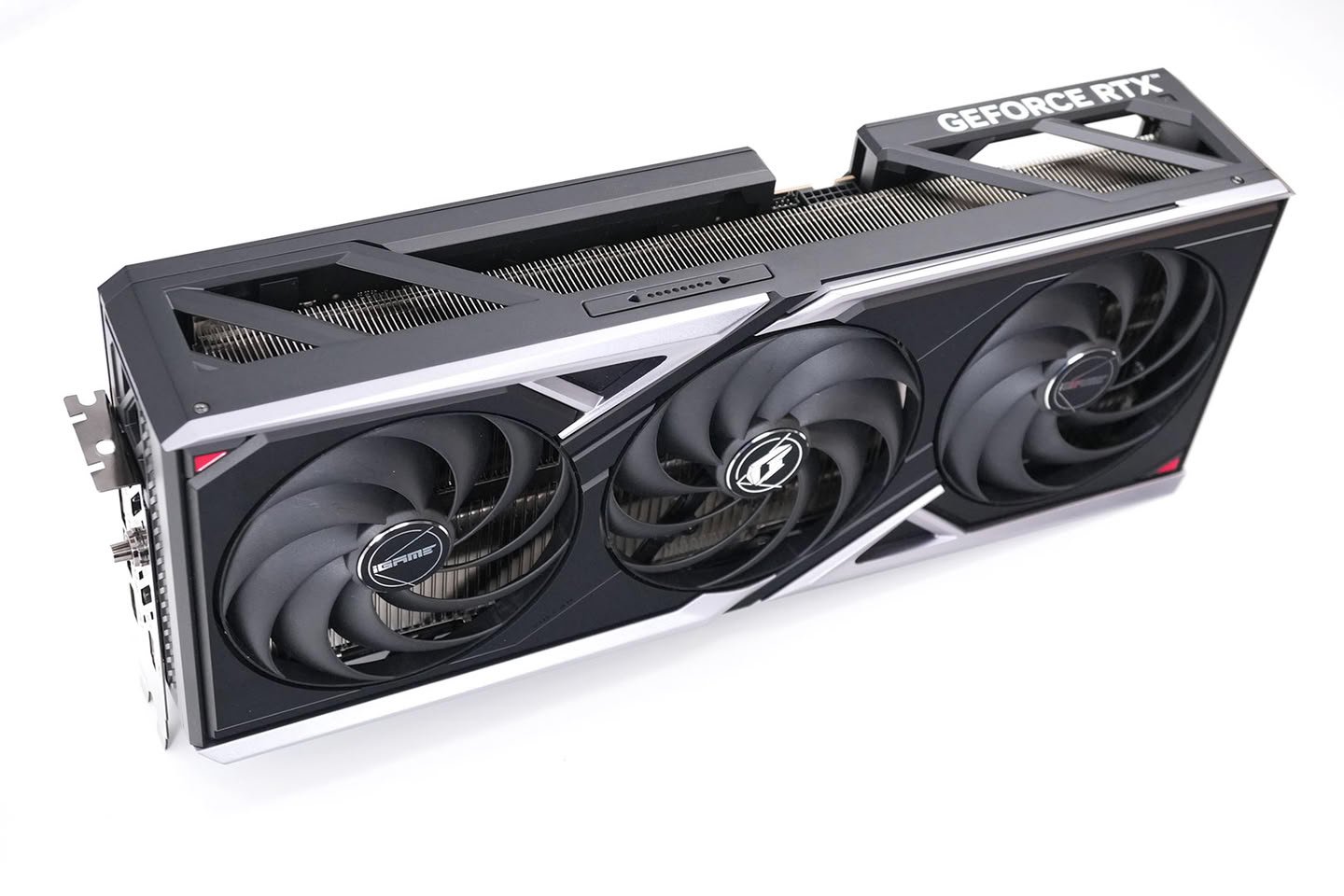
The Impending Shift in Blackwell GPU Pricing
The landscape for high-performance consumer hardware is undergoing a structural change as reports from the hardware manufacturing sector indicate an imminent rise in the retail costs of NVIDIA’s latest GeForce RTX 50-series, known as the Blackwell architecture. Industry data sourced from Chinese distribution channels and add-in card (AIC) partners, such as Colorful and Galax, confirms that a broad range of graphics processing units (GPUs) will face price adjustments effective this week. These changes, while initiated in the Asian markets, are widely expected to become a global standard as supply chains adjust to the realities of current manufacturing constraints.
The primary driver of this trend is a substantial imbalance between the consumer demand for next-generation gaming hardware and the existing supply capacity. NVIDIA’s Blackwell architecture has generated significant interest due to its advancements in ray tracing efficiency and tensor core throughput. However, the complexity of producing these chips, combined with broader market pressures, has forced manufacturers to re-evaluate their pricing strategies. Consumers currently looking to upgrade their systems should anticipate seeing these updated listing prices filter through to online retailers and physical store shelves within the next seven to fourteen days.
The Scale of Cost Adjustments Across the Stack
The price hikes are not uniform across the 50-series lineup; rather, they scale according to the tier of the hardware and its associated production costs. At the top of the performance spectrum, the GeForce RTX 5090 DV2 represents the most significant investment for users. This flagship model is expected to see a price increase ranging from 2,200 to 3,300 RMB, which equates to an additional expenditure of approximately $329 to $494 USD. This adjustment reflects the high demand for top-tier compute performance, often utilized by professionals, enthusiasts, and high-end gamers alike.
Mid-range and entry-level cards are also seeing adjustments, albeit at lower absolute values. The RTX 5080 is slated for an increase between $374 and $419, while the RTX 5070 and 5070 Ti variants will see adjustments ranging from $90 to $150. Even the entry-level RTX 5060, a staple for budget-conscious gamers, will experience a modest but noticeable hike of roughly $22 to $30. While these smaller increases might seem manageable, they represent a recurring trend of rising baseline costs for hardware that serves as the entry point to modern high-definition gaming and content creation.
Supply Chain Constraints and Raw Material Volatility
To understand why these price hikes are occurring, one must examine the state of global manufacturing. The technology sector is currently grappling with a dual challenge: a critical shortage of high-speed memory components and the rising cost of raw materials. Graphics cards rely heavily on specialized VRAM, such as GDDR7, to handle the vast data throughput required by modern games. As the demand for these memory modules increases across the broader technology industry, the cost to procure them for GPU production has spiked.
Furthermore, the production of a modern GPU requires significant amounts of copper, silicon, and other industrial metals. Fluctuations in the global commodities market, particularly the rising costs of raw materials, have tightened margins for AIC partners. These manufacturers, who build the actual circuit boards, cooling solutions, and aesthetics for NVIDIA-designed chips, have limited room to absorb these costs. Consequently, the price increases are being passed down the supply chain to maintain the viability of production lines. The current situation highlights the fragility of global hardware manufacturing when raw material availability becomes compromised.
Impact on Consumer Buying Decisions
For the average consumer, these price adjustments represent a significant hurdle to hardware acquisition. Enthusiasts who have been holding out for a stable release cycle or the eventual smoothing of availability may find that their budget requirements for a new build have shifted upward. In a market where high-performance gaming hardware is often already expensive, a $500 increase for a top-tier card may force many users to reconsider their upgrade path. Some may opt to settle for lower-tier components, while others might extend the lifespan of their existing hardware.
This price hike also creates a shift in the competitive analysis of the GPU market. While NVIDIA’s Blackwell series currently faces these specific increases, the market remains dynamic. Consumers are encouraged to compare current performance-per-dollar metrics closely. While AMD’s current Radeon lineup is not affected by this specific NVIDIA-related adjustment, reports suggest that AMD itself is facing pressures that may lead to its own price increases in the coming month. This suggests that the cost of building or upgrading a high-performance PC is entering a cycle of inflation that may persist until supply chains stabilize.
Long-term Outlook for GPU Pricing and Availability
Looking ahead, the stability of GPU prices will depend on two major factors: the stabilization of raw material costs and the successful scaling of manufacturing capacity for Blackwell-based chips. As AIC partners adjust their inventory models, consumers should prioritize checking authorized retail listings, as prices will likely fluctuate during the transition period over the next two weeks. For those who need to upgrade their systems, the window to purchase at current pre-hike pricing is rapidly closing.
The industry remains in a state of high demand, particularly for GPUs that feature advanced AI-accelerated features and high-fidelity rendering capabilities. While the current price hikes are a response to short-term supply chain pressures, they underscore the ongoing difficulty in keeping high-end computing components affordable for the mass market. As the market moves forward, users must weigh the performance benefits of newer architectures against the reality of a premium pricing environment. Monitoring market trends and planning for future upgrades with these increased cost parameters in mind will be essential for system builders over the coming fiscal year.
Disclaimer: This content is auto-generated for informational purposes only.
Source: Read Original News