






For many tabletop role-playing enthusiasts, the quintessential adventure is defined by the damp chill of a cave or the suffocating shadows of a tangled forest. While these classic tropes serve as the foundation of the genre, the environmental landscape of fantasy world-building is vast and underutilized. Moving beyond the “dungeon crawl” toward more diverse ecosystems not only challenges players to adapt to new hazards but also enriches the narrative tapestry of a campaign.
The seaside, for instance, offers a significant departure from subterranean gloom. Coastal settings—whether they are bustling resort towns or isolated tropical island chains—provide a perfect juxtaposition of leisure and danger. By introducing a location that is ostensibly a vacation spot, a Dungeon Master can subvert player expectations, using the normalcy of a coastal holiday to heighten the impact of an emergent threat. Mechanically, these environments allow for the inclusion of amphibious adversaries, such as sahuagin or chuul, which rarely feature in landlocked campaigns.
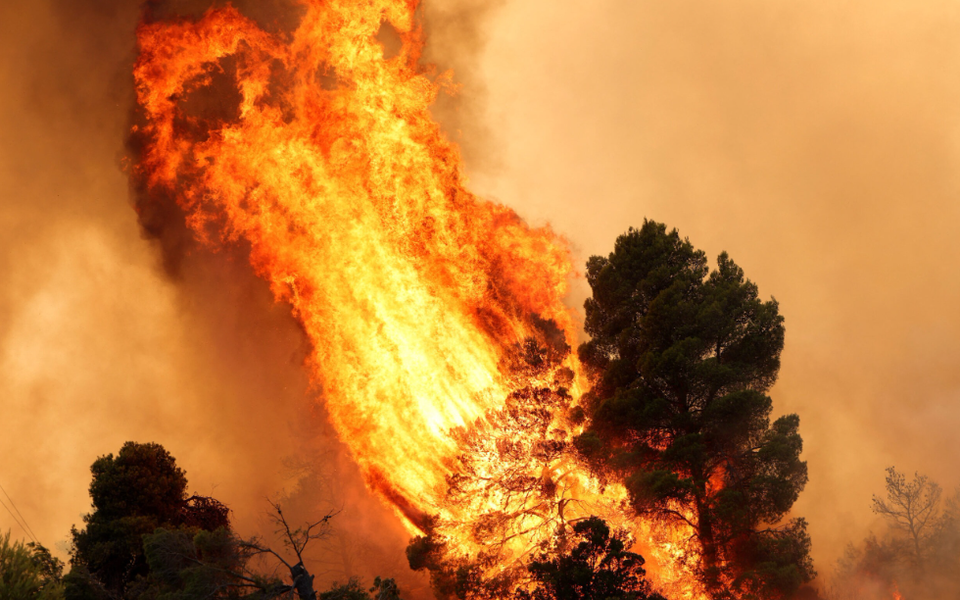
For campaigns requiring higher stakes, the volcanic landscape presents a dynamic alternative. Often reduced to mere “lava zones,” volcanoes offer complex geological variety, ranging from obsidian-hewn, barren wastelands to surprisingly fertile slopes where vegetation thrives on mineral-rich soil. This setting allows for the integration of elemental themes, utilizing creatures like salamanders or azer, while providing a visceral backdrop of shifting terrain that can be used to influence combat encounters.
Agriculture provides perhaps the most potent setting for character-driven drama. Farmland—whether it consists of expansive wheat fields, flooded rice paddies, or vegetable gardens—represents the lifeblood of a community. By grounding an adventure in an idyllic, pastoral setting that supports a population of beloved NPCs, a narrator can create significant emotional tension when that tranquility is threatened by external forces like raiding parties or imperial expansion. The intersection of human survival and conflict creates a compelling narrative weight that resonates with the gravity found in classic cinematic storytelling.
In terms of temperate wilderness, the taiga—or boreal forest—is an often-overlooked ecosystem. Characterized by coniferous trees and harsh, cold climates, the taiga offers a distinct aesthetic that differs significantly from the deciduous forests typically found in fantasy literature. Because these regions are increasingly threatened by real-world climate change, integrating them into a fantasy setting provides a somber, ephemeral beauty. From a gameplay perspective, the taiga allows for the introduction of cold-weather hazards, hot springs, and seasonal winter aesthetics that defy the monotonous cycle of standard wilderness encounters.
Finally, the concept of the “ancient tourist destination” adds a layer of sophisticated world-building. Rather than portraying every ruin as a trap-filled tomb occupied by dormant undead, creators can design sites that function as active, preserved landmarks. Drawing inspiration from modern adventure fiction, where protagonists often navigate historic monuments, these settings allow for social intrigue and exploration. By populating these sites with tourists and merchants selling themed merchandise, a world feels lived-in and historically aware, rather than existing solely as a playground for player characters.
Ultimately, the environment should be viewed as an active participant in the narrative. By diversifying the settings of an adventure, creators can move past static templates, forcing players to engage with their surroundings in ways that extend beyond simple combat and into the realm of true environmental storytelling.
Disclaimer: This content is auto-generated for informational purposes only.
Source: Read Original News