







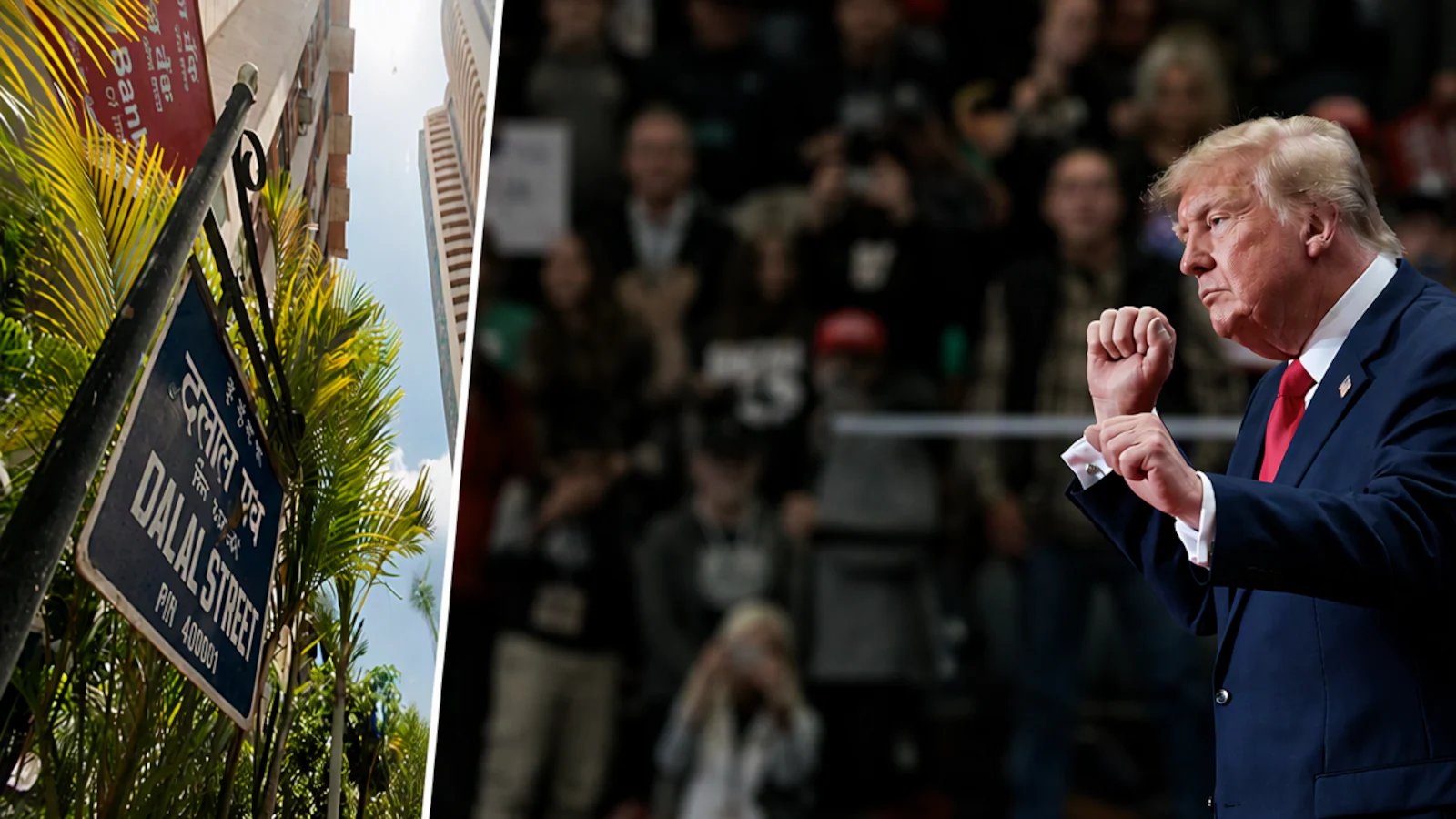
As the November 2026 US midterm elections approach, global investors are bracing for a period of heightened volatility that extends far beyond the American political landscape. For India’s financial markets, which have navigated a difficult year marked by a 12% decline in major indices like the Sensex and Nifty, the electoral outcome serves as a critical barometer for future trade policy, capital flows, and macroeconomic stability.
While domestic factors have weighed on Dalal Street, the interplay between Washington’s legislative makeup and global geopolitical tensions remains the primary concern for institutional investors. Experts suggest that the market’s focus is not merely on party dominance, but on how these shifts will influence the cost of capital and corporate earnings, both of which are increasingly being processed through advanced data analytics and predictive AI modeling.
## The Triad of Electoral Scenarios
Financial research firms are currently modeling three distinct paths for the US government, each carrying unique risks for emerging economies. The most probable outcome, a Democratic sweep of both the House and Senate, could serve to moderate some of the executive branch’s more aggressive tariff-related impulses. However, analysts warn that even a shift in control is unlikely to trigger a rapid dismantling of existing protectionist trade frameworks.
Conversely, a divided Congress—where Democrats claim the House while Republicans hold the Senate—creates a environment of gridlock. For investors, this poses a distinct threat: the potential for a prolonged government shutdown, which would likely dampen US economic growth and trigger a ripple effect in emerging market sentiment. The least likely but most impactful scenario involves Republicans retaining full control, granting the White House unfettered authority to pursue its current economic agenda. This, according to market analysts, carries the highest risk of exacerbating geopolitical friction, particularly regarding oil-producing regions.
## Geopolitics, Energy, and the Tech Sector
The most pressing threat to Indian market stability is the potential for an escalation in the Iran conflict. A spike in crude oil prices would immediately place intense pressure on India’s import bill and the rupee. This creates a challenging environment for local businesses, as higher energy costs tend to compress corporate profit margins across the board.
Amidst this, the technology sector is experiencing its own structural shift. While the macro-uncertainty of the midterms persists, tech companies are increasingly turning to AI-driven workforce optimizations to maintain margins. As layoffs become a recurrent theme in the global tech landscape, workers are responding by upskilling in data analytics and artificial intelligence, effectively insulating themselves against the volatility that currently grips the stock market. Firms that leverage these advanced tools to manage operational costs are viewed by analysts as better positioned to weather the potential downturns tied to international trade disputes.
## The Role of Data and Market Predictability
The impact of the US elections on India is increasingly being filtered through the lens of sophisticated financial technology. Investors are utilizing AI-augmented tools to track foreign institutional investor (FII) outflows in real-time, matching them against legislative updates from Capitol Hill.
Sohom Banerjee, an expert in economic AI, notes that the true influence of the midterms lies in how they alter long-term expectations for corporate earnings. “The elections are not just a political event; they are an engine for changing capital allocation strategies,” Banerjee noted. By altering the predictability of trade and fiscal policy, the election results force global funds to re-evaluate the risk-reward ratio of emerging markets. As global liquidity conditions remain sensitive to US bond yields and the strength of the dollar, the ability to rapidly synthesize political outcomes into actionable investment data has become the most valuable asset for stakeholders on Dalal Street. Ultimately, while the midterms do not determine the President, they act as a decisive regulator for the global investment climate.
Disclaimer: This content is auto-generated for informational purposes only.
Source: Read Original News