









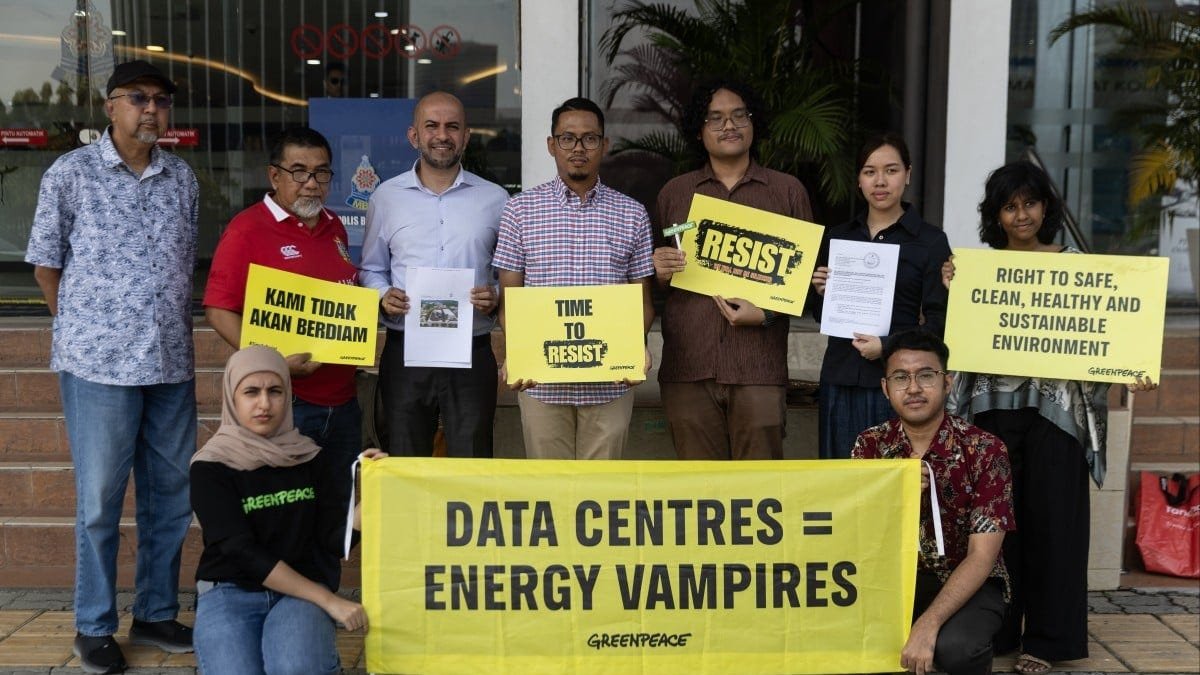
While the global discourse on artificial intelligence remains fixated on speculative existential threats—ranging from rogue algorithms to the degradation of human rights—a more tangible and immediate crisis is unfolding beneath the surface of the digital revolution. Behind every large language model query and automated data process lies a physical infrastructure of unprecedented scale. The environmental cost of the AI boom, characterized by an insatiable hunger for electricity, water, and rare earth minerals, is rapidly becoming a significant hurdle in the global transition toward sustainability.
The primary driver of AI’s environmental impact is the massive energy consumption of the data centers that house it. Training a single high-end large language model can require enough electricity to power hundreds of homes for a year. However, the energy demand does not cease after the training phase; inference—the process of running the model to generate answers for users—is an ongoing, compounding expenditure. As AI integration accelerates across corporate and consumer sectors, the aggregate demand on power grids is surging. In many regions, this is forcing utility providers to delay the decommissioning of aging, carbon-intensive coal and natural gas plants, effectively stalling decarbonization efforts in favor of maintaining the uptime requirements of hyperscale cloud providers.
Beyond electricity, the water footprint of AI is frequently overlooked but equally critical. Data centers generate immense heat, necessitating sophisticated cooling systems to prevent equipment failure. These facilities rely on millions of gallons of water annually, often drawn from local municipal supplies. In areas prone to drought, such as parts of the American Southwest or regions in Southern Europe, the presence of these cooling-intensive facilities places a strain on local aquifers and agricultural water security. As global temperatures rise, the water intensity of these systems only increases, creating a feedback loop where the digital infrastructure becomes increasingly vulnerable to the very climate instability it helps exacerbate.
The physical construction of the AI age also demands an aggressive extraction of raw materials. The hardware backbone of AI—specifically the specialized Graphics Processing Units (GPUs)—requires a complex supply chain of rare earth elements, copper, lithium, and cobalt. The mining of these materials is notoriously energy-intensive and often involves significant land degradation, water contamination, and the displacement of local ecosystems. Furthermore, the rapid obsolescence cycle of AI hardware, which requires frequent upgrades to maintain competitive computing power, accelerates the production of electronic waste. Much of this waste remains difficult to recycle due to the intricate layering of precious metals within the components, leading to an increasing burden on landfills.
Industry proponents often point to the potential for AI to optimize energy grids or discover new materials for battery technology as a net positive for the environment. While these applications are promising, they currently operate in the realm of potential, whereas the environmental costs of the hardware are systemic and immediate. Without a fundamental shift in how computing capacity is managed, the “intelligence” of the future threatens to undermine the ecological stability of the present.
Addressing this challenge requires more than corporate pledges of carbon neutrality. It demands greater transparency regarding the lifecycle impact of AI deployments. Policymakers are beginning to signal a move toward stricter reporting requirements, forcing tech giants to account for their water and energy usage metrics with the same rigor they apply to financial earnings.
As the digital transformation continues to reshape the global economy, the conversation around AI must expand beyond the ethics of software to the physical reality of its existence. We are at a juncture where the efficiency gains offered by digital tools must be weighed against the heavy toll they extract from our natural resources. Without a deliberate strategy to decouple AI progress from its current resource-intensive trajectory, the pursuit of a smarter, more automated world may inadvertently sacrifice the environmental stability necessary for human life to flourish.
Disclaimer: This content is auto-generated for informational purposes only.
Source: Read Original News