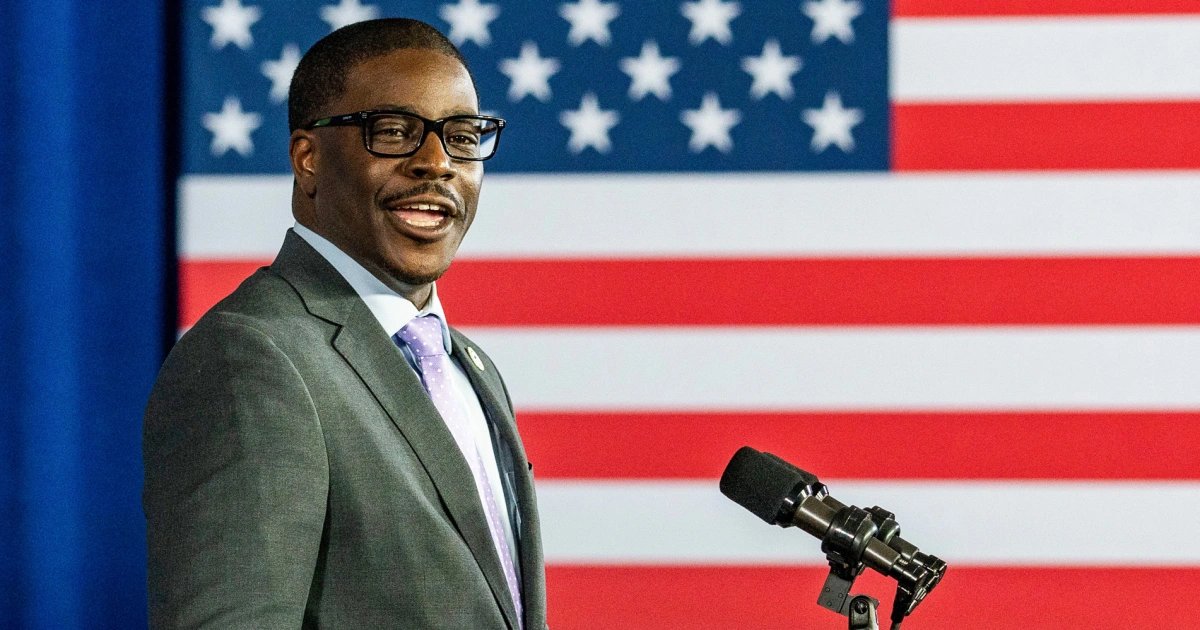







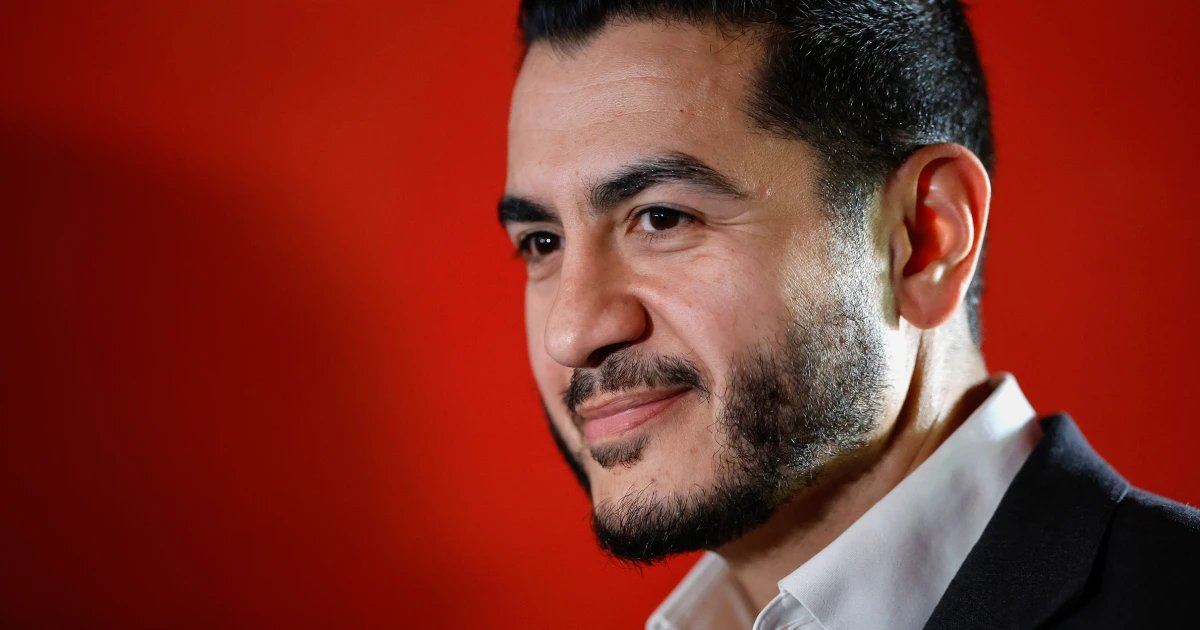
Abdul El-Sayed, an epidemiologist and former public health official, has won Michigan’s highly contested Senate race, defeating Republican former Rep. Mike Rogers, NBC News projects. The victory makes the 42-year-old the first Muslim elected to the U.S. Senate, a milestone achieved in the face of intense, nationalized hostility.
El-Sayed, who ran as an unyielding progressive aligned with the Democratic Party’s left flank, secured the seat by focusing his campaign on a platform of “money out of politics” and “Medicare for All.” His win marks a significant expansion of the Democratic hold on Michigan, where the party has not lost a Senate seat since 1994. He will succeed the retiring Democratic Sen. Gary Peters.
The race was defined by extreme polarization and a torrent of controversy. Throughout the campaign, El-Sayed was the subject of aggressive rhetoric centered on his faith and his vocal criticism of the Israeli government, which he has characterized as genocide. President Donald Trump, in particular, leaned heavily into anti-Muslim sentiment, repeatedly mislabeling El-Sayed as a member of the Muslim Brotherhood and falsely alleging that “jihadists” were infiltrating American government.
At a rally in Port Huron, Michigan, just days before the election, Trump escalated his attacks, stating, “I’m here to keep a jihadist Muslim Brotherhood member from becoming a United States senator.” El-Sayed, who has consistently denied any ties to the organization, maintained a defiant posture against these attacks. When faced with Trump’s habit of weaponizing his middle name, the candidate famously retorted during a campaign event: “That’ll be Sen. Mohamed to you, bro.”
The final days of the campaign were marked by a dramatic internal rupture within the Democratic Party. Rep. Haley Stevens, a former primary rival, broke her pledge to support the Democratic nominee, instead crossing party lines to endorse Rogers after appearing with him at a church service. Her defection was largely rooted in disagreements over El-Sayed’s stance on Israel, a position that also drew significant financial opposition from groups aligned with AIPAC, which poured over $30 million into the state in an effort to influence the outcome.
Despite these hurdles, El-Sayed’s populist economic message appeared to resonate even with some traditional Republican voters, according to polling throughout the cycle. Conversely, Mike Rogers, 63, struggled to navigate the complications of the Trump era. While he attempted to distance himself from the former president’s broad economic tariffs and the current war in Iran—which Rogers characterized with uncertainty as a potential “mistake”—the association proved difficult to shed.
El-Sayed’s victory signals a transformative moment for the Democratic Party’s ideological future in the Midwest, proving that a candidate running on a staunchly progressive agenda could weather a “hostile” national campaign environment and survive a coalition of opposition from both GOP leadership and internal party defectors.
Disclaimer: This content is auto-generated for informational purposes only.
Source: Read Original News