







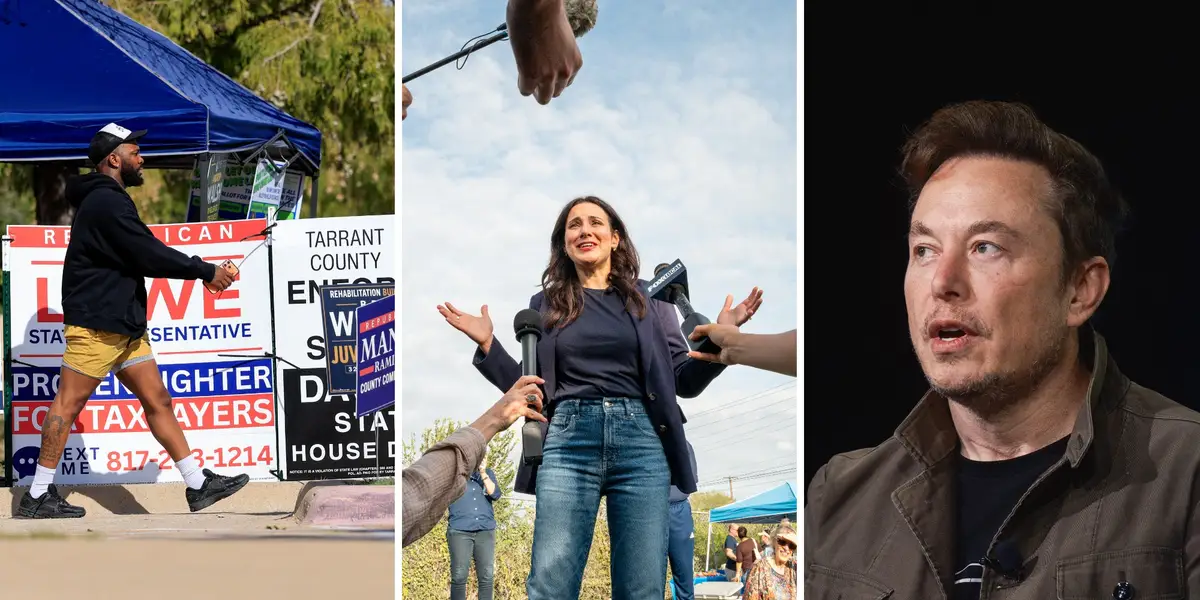
The political landscape of Texas underwent a seismic shift this week, sending shockwaves through the tech sector. Long viewed by Silicon Valley exiles as a regulatory safe haven and a conservative stronghold, the state saw a decisive Democratic sweep on Tuesday, with voters electing James Talarico to the Senate and Gina Hinojosa to the governor’s mansion.
The results have sparked a wave of anxiety among the tech elite, many of whom relocated to the Lone Star State specifically to escape the progressive policies and high-tax environment of California.
Tech Leaders Express Alarm Over Texas Election Results
For many prominent investors and founders, the electoral outcome was an unwelcome surprise. Elon Musk, who famously moved Tesla’s headquarters and his personal residency to Texas, took to his social media platform, X, to voice his dissatisfaction. Suggesting that the state’s appeal as a business-friendly hub may be fading, Musk quipped, “Data centers in space looking pretty appealing right now.”
Investor Jason Calacanis echoed this sentiment, lamenting his decision to relocate. “I never expected Texas to turn blue,” he wrote on X. “Ugh, I moved here to get away from the left lunacy!”
The frustration is not merely cultural; it is deeply tied to the operational infrastructure that supports the current artificial intelligence boom. During a recent livestream, venture capitalist Chamath Palihapitiya warned of potential economic consequences, framing the election results as a threat to the state’s massive data center capacity. “The only way to sink the AI trade is to sink the data centers,” Palihapitiya argued, noting that the power grid infrastructure in West Texas is the backbone of the region’s current industrial value.
The “AI Trade” and Future Infrastructure Worries
The tech industry’s reaction highlights a growing tension between political climate and infrastructure sustainability. As AI development continues to drive demand for immense computing power, the stability of local energy grids has become a top priority for developers.
Alex Cohen, CEO of the AI healthcare startup Hello Patient, expressed a cynical view of the industry’s future in the state, stating bluntly, “RIP AI, it was fun while it lasted.” This sentiment underscores a broader fear among tech leaders that a change in political leadership could lead to more stringent regulations on energy consumption, environmental requirements for data centers, or shifts in the tax policies that originally enticed big tech to move their operations to the state.
A Polarized Industry Reaction
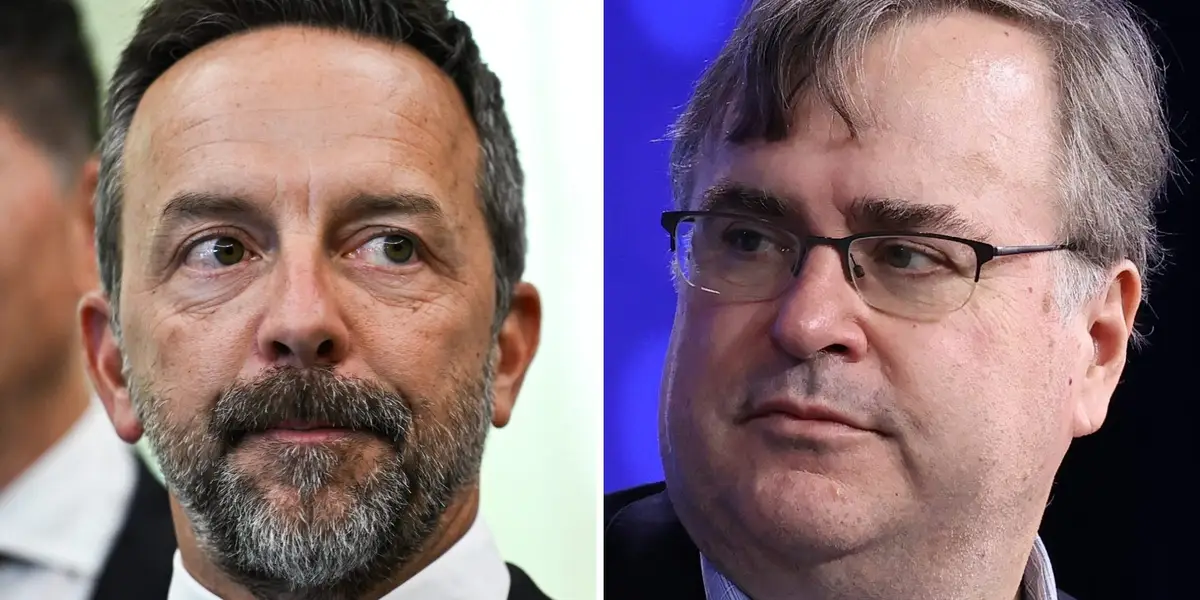
While a segment of the tech community is sounding the alarm, the reaction is not universal. The results have highlighted a deep divide within the industry itself. LinkedIn cofounder and prominent Democratic donor Reid Hoffman praised the outcome, labeling the election an “overwhelming wave” against the policies of the Trump era.
For now, the silence from other high-profile Texas-based tech figures—including individuals like Travis Kalanick and David Sacks—suggests a “wait and see” approach as the dust settles. However, the initial visceral reaction from the industry’s loudest voices indicates that the long-standing “California antidote” narrative has been fundamentally disrupted.
As Texas pivots, the question for the tech sector remains whether the state will continue to offer the de-regulatory environment that attracted companies like Tesla, Oracle, and Hewlett Packard Enterprise, or if the new administration will implement policies that mirror the very “lunacy” that many tech migrants hoped to leave behind.
Disclaimer: This content is auto-generated for informational purposes only.
Source: Read Original News