







The Shifting Landscape of US Trade Policy
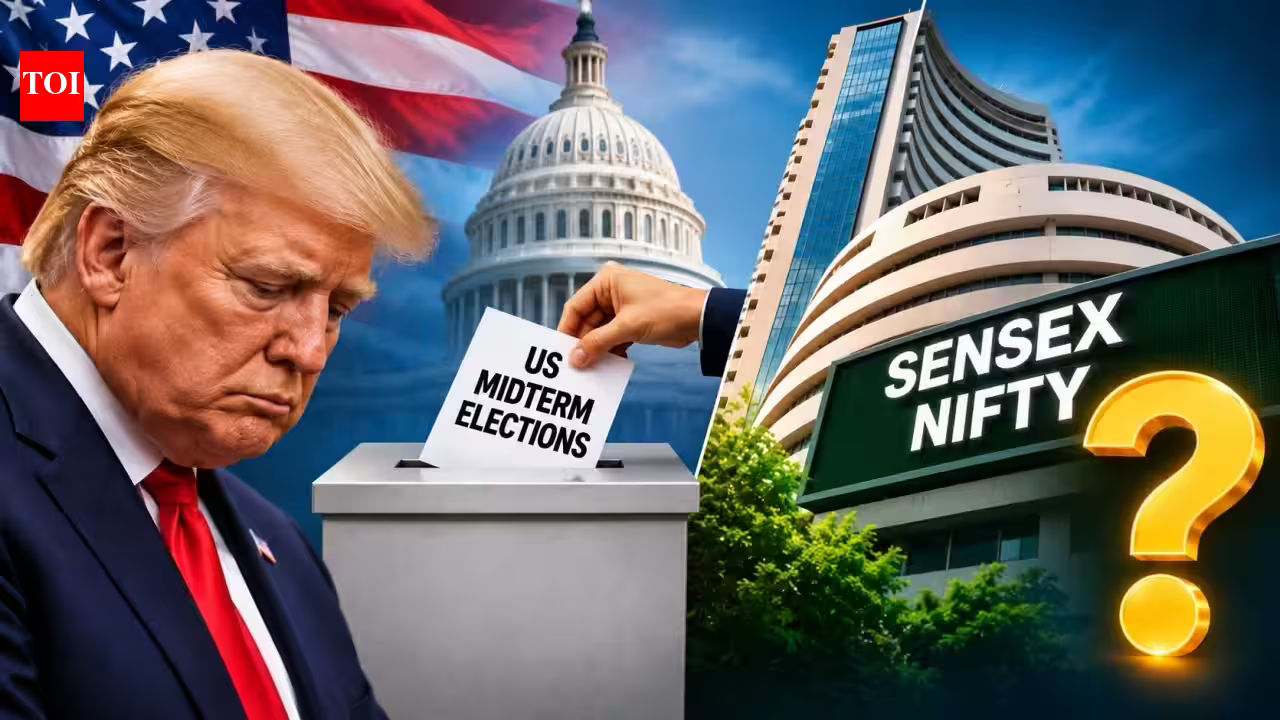
The trajectory of United States trade policy under the current administration is increasingly defined by the philosophy of economic nationalism. Recent political developments, including midterm election results, have led many analysts to speculate on a potential pivot in strategy. However, the prevailing consensus among trade experts is that the foundational approach of the White House remains steadfast. Whether facing legislative friction or political opposition, the US administration continues to prioritize the strengthening of domestic manufacturing and the fortification of supply chains as central tenets of its economic agenda.
In this context, the distinction between Republican and Democratic stances on trade has narrowed significantly. Both major political factions in the United States have demonstrated a growing preference for protective tariffs and policies designed to insulate local industries from global competition. This bipartisan shift signals that regardless of midterm outcomes, the pressure on international trading partners is unlikely to dissipate. For India, this implies that the current US administration will continue to utilize its executive authority—including trade enforcement tools such as Section 232 and Section 301—to project power and influence on the global stage.
Strategic Pressure and the Quest for a Trade Win
The United States faces a complex geopolitical environment, with significant challenges concerning its influence in regions involving Russia, China, and Iran. Given the difficulties in securing clear-cut foreign policy victories, the US administration is under pressure to deliver tangible results that demonstrate its global clout. A bilateral trade agreement with India has emerged as a high-priority target in this endeavor. For the US, achieving a deal serves a dual purpose: it helps balance bilateral trade deficits and provides a visible sign of success in international economic diplomacy.
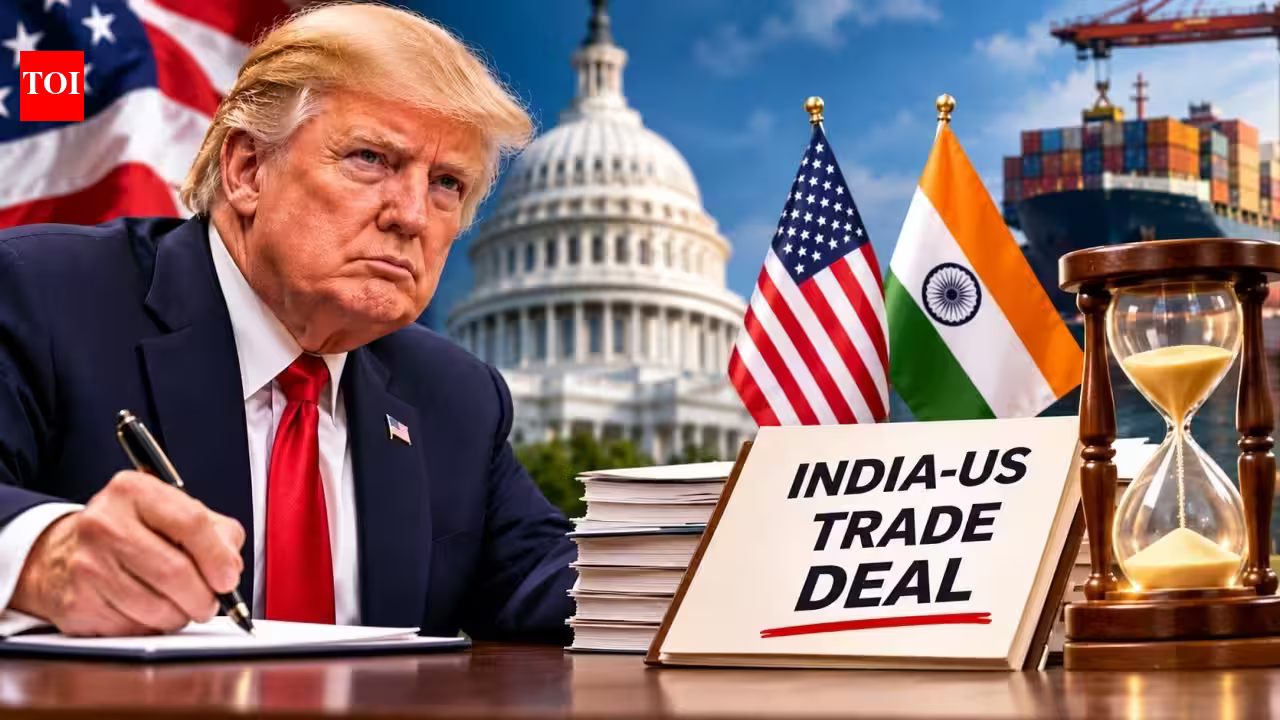
Industry analysts observe that while both New Delhi and Washington have frequently signaled that a trade agreement is nearing completion, the process remains stalled by significant discrepancies regarding the terms of the offer. The US administration, constrained by its domestic agenda, is likely to increase its reliance on unilateral actions to compel India toward an early agreement. This approach is intended to facilitate greater access for American agricultural and industrial products into the Indian market while securing structural concessions that favor US corporations. As Washington seeks to solidify its influence, India must prepare for a period of heightened diplomatic and economic pressure aimed at finalizing an arrangement that aligns with US domestic priorities.
Understanding the Structural Disparity in Proposed Agreements
A critical aspect of the current trade discourse is the structural difference between the framework under negotiation and traditional Free Trade Agreements (FTAs). Standard trade pacts are typically built on the principles of reciprocity, where both participating nations reduce Most Favoured Nation (MFN) tariffs, thereby creating a balanced exchange governed by the World Trade Organization (WTO) framework.
The framework currently proposed by Washington deviates significantly from this model. Under this setup, the United States is expected to maintain its existing MFN duties, while India would be required to lower or eliminate import duties on a vast array of industrial and agricultural goods. This asymmetrical structure represents a departure from standard trade protocol, placing the burden of market opening primarily on the Indian economy. Furthermore, the commitment to purchase $500 billion worth of American goods over a five-year period, alongside requirements to relax domestic regulatory oversight, introduces complexities that go beyond simple tariff reduction. This effectively shifts the nature of the partnership from a balanced trade agreement to an arrangement heavily skewed toward meeting US export objectives.
The Risks of Coercive Diplomacy
The prospect of a deal is often accompanied by the implicit or explicit threat of tariff escalation. The United States has demonstrated a willingness to leverage regulatory tools—such as potential measures linked to India’s energy imports or investigations under trade enforcement sections—to secure compliance. For New Delhi, the situation creates a challenging dilemma: the desire to maintain a robust strategic partnership with the United States must be weighed against the potential for long-term economic vulnerability.
Critically, a signed agreement under these terms does not necessarily guarantee immunity from future protectionist measures. The United States retains the potential to impose additional duties, which could range between 15% and 18% over and above standard rates. This environment of uncertainty renders the agreement somewhat precarious. If India proceeds with market opening measures without securing ironclad, enforceable reciprocal concessions, it risks subjecting its domestic industrial and agricultural sectors to unsustainable competition while failing to gain the permanent market stability it seeks in the US. The term “economic coercion” has been used to describe this dynamic, highlighting that the relief from temporary tariff threats may not be worth the structural concessions required to obtain it.
Navigating Long-Term National Interests
For Indian policymakers, the challenge lies in balancing immediate diplomatic pressures with the necessity of protecting long-term economic autonomy. The pressure to announce a “quick win” is significant, but it should not be allowed to supersede the need for a balanced, sustainable, and equitable framework. India’s priority must remain centered on its energy security, the growth of its domestic manufacturing base, and the preservation of its policy space to protect its development needs.
An effective strategy for India involves insisting on full consistency with WTO rules and demanding concrete, reciprocal concessions that provide genuine benefits to Indian exporters. It is essential that any agreement finalized with the US does not compromise the ability of the Indian government to respond to domestic economic shifts or external shocks. By focusing on clear, enforceable terms rather than the mere appearance of a deal, India can better safeguard its interests. The current climate necessitates a cautious and analytical approach, where every concession is measured against the potential loss of future policy flexibility. As global supply chains continue to restructure, India’s ability to stand firm on its core economic requirements will define its standing in the international trade order for years to come. Ultimately, the partnership must transition from one of pressure and unilateral demands to one of genuine mutual benefit, ensuring that both nations can thrive within an increasingly competitive global economy.
Disclaimer: This content is auto-generated for informational purposes only.
Source: Read Original News