







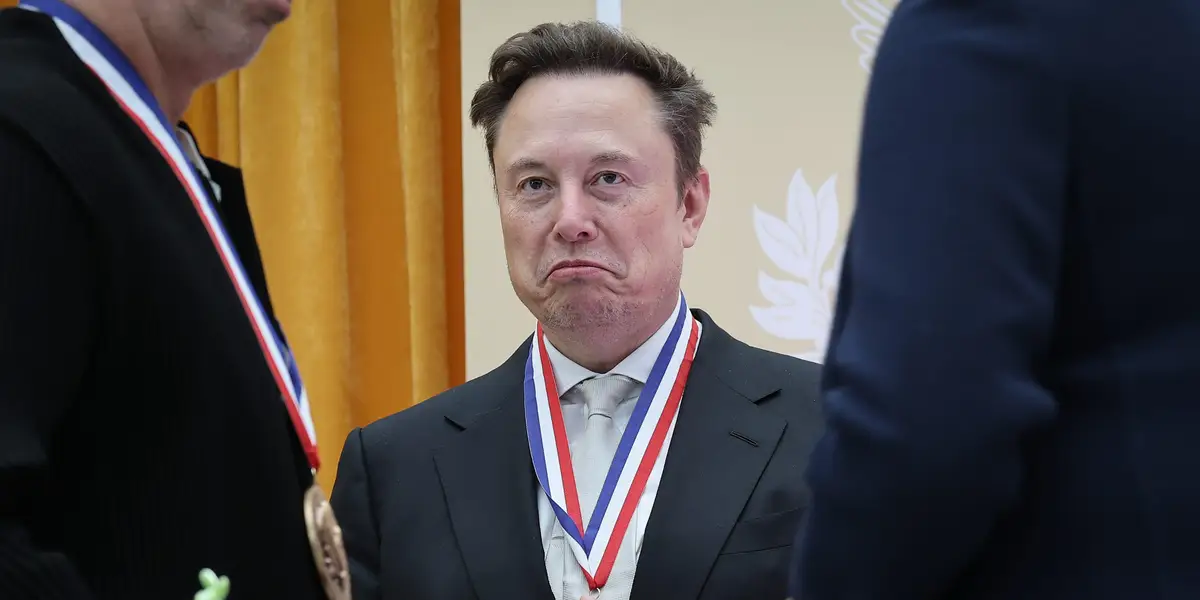
Elon Musk, the world’s wealthiest individual and a central figure in modern tech, has faced a significant political setback following the 2026 midterm elections. Despite pouring an unprecedented $446 million into the race to influence outcomes in favor of Republican candidates, Musk’s aggressive financial strategy yielded poor results, most notably in his adopted home state of Texas.
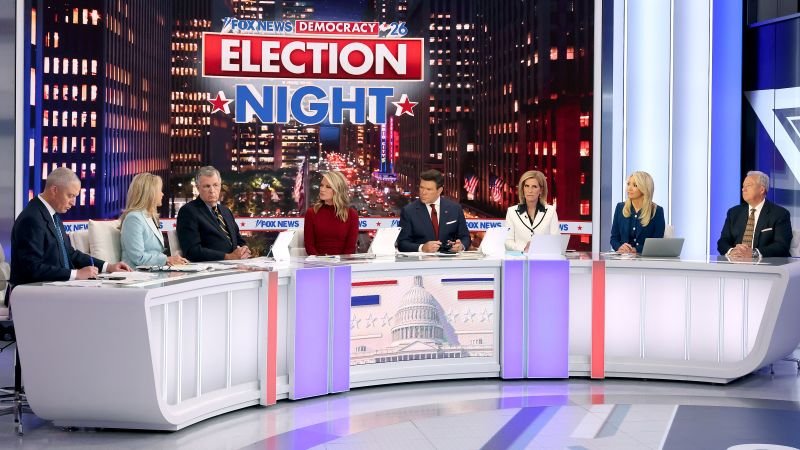
The tech mogul, who oversees giants like Tesla and SpaceX, had positioned himself as a pivotal force in the GOP’s strategy to prevent a Democratic sweep of Washington in 2028. However, Tuesday night’s results served as a sharp reminder that massive capital investment does not always translate into electoral victory.
## The Texas Strategy Crumbles
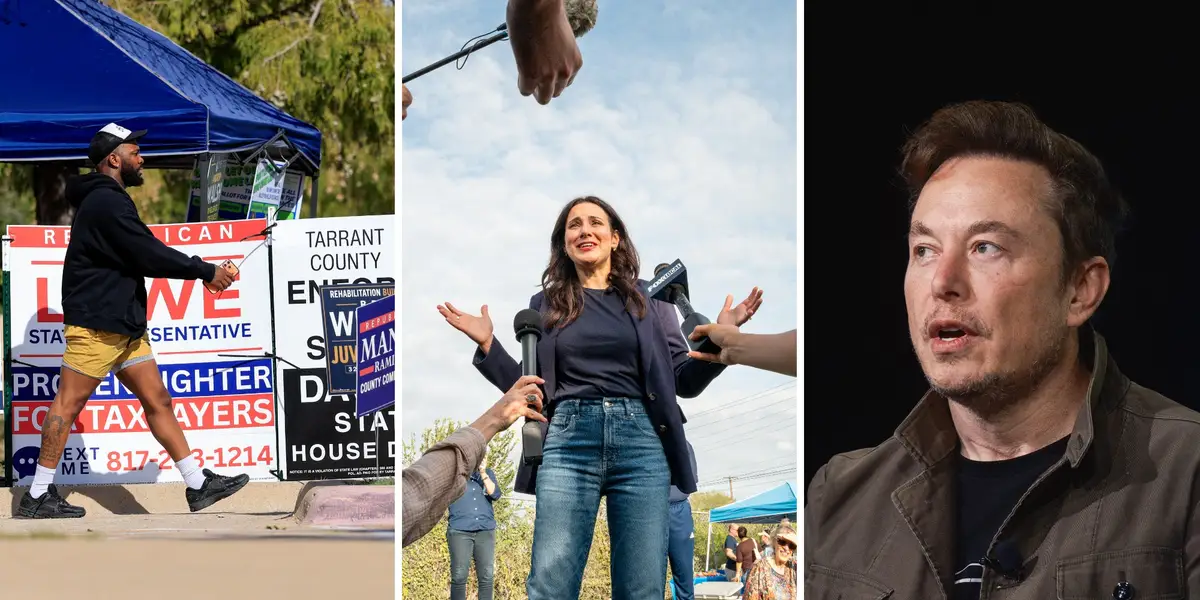
Musk’s focus was heavily centered on Texas, where he spent roughly $224 million to bolster Republican influence. His contributions included $158 million directed toward a super PAC supporting Texas Attorney General Ken Paxton and $47 million spent via his America PAC to defeat Democratic nominee James Talarico.
The results were a definitive disappointment for the Tesla CEO. The Associated Press has projected that Talarico will secure the Senate seat, while Democrat Gina Hinojosa is set to become the state’s next governor. For many, this marks the realization of a long-standing Democratic goal: flipping Texas blue. Following his victory, Talarico drew a sharp contrast between his grassroots success and Musk’s massive spending, comparing the outcome to the biblical struggle between David and Goliath. He credited his win to faith and persistence rather than the financial “weapons” deployed by his opponent.
## Musk’s Pivot to Political Megadonor
In recent years, Musk has undergone a dramatic transformation in the political arena, shifting from an Obama-era supporter to the Republican party’s primary financier. His spending has eclipsed that of traditional conservative megadonors, such as the Uihleins and the Koch brothers.
Musk has framed these donations as a necessary defense against what he describes as the “end of democracy.” On the platform X, he previously warned that a Democratic resurgence could lead to the statehood of Washington, D.C. and Puerto Rico, combined with permissive immigration policies, ultimately resulting in a permanent one-party state. Despite these high-stakes warnings, his actual return on investment (ROI) has remained inconsistent. Following his heavy involvement in the 2024 presidential cycle—which later earned him a leadership role in the government’s DOGE initiative—his efforts in the 2025 Wisconsin Supreme Court race also failed, with his favored candidate losing by a double-digit margin.
## Navigating a Changing Political Climate
The results of the 2026 midterms place Musk in a precarious position as he continues to balance his business interests with his role as a political activist. Musk has acknowledged the increasing hostility he faces from Democratic lawmakers, noting that he anticipates being called before Congress to answer for his political activities. His stance—”live by the sword, die by the sword”—reflects an ongoing readiness to engage in combative rhetoric with those he believes are acting against his interests.
As the political landscape moves toward the 2028 presidential primaries, industry observers are left wondering how Musk will adjust his strategy. While his massive net worth allows him to keep struggling campaigns afloat, the midterm results suggest that voter sentiment may be increasingly resistant to the influence of tech-billionaire spending. Whether he retreats from the fray or doubles down remains to be seen, but the 2026 cycle stands as a sobering lesson in the limitations of political bankrolling in a polarized nation.
Disclaimer: This content is auto-generated for informational purposes only.
Source: Read Original News