








The Mechanics of Market Distortion: Import Duties and Smuggling
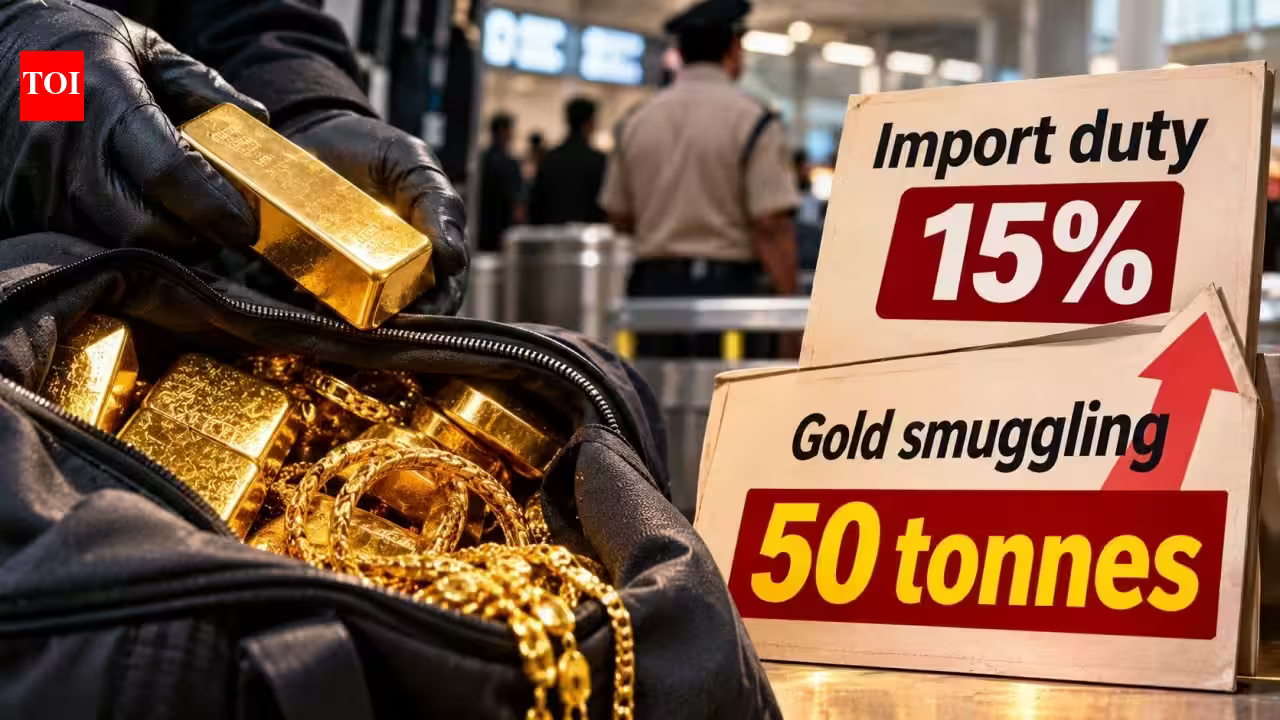
The Indian gold market, historically one of the most robust and culturally significant global sectors for the precious metal, is currently undergoing a structural transformation driven by fiscal policy. When the government raised import duties on gold to 15%, the primary intent was to curtail the burgeoning trade deficit and manage currency volatility. However, this policy shift has inadvertently triggered a massive distortion in the supply chain. The disparity between domestic prices and international benchmarks has widened significantly, creating a lucrative environment for unofficial channels.
According to recent data from the World Gold Council, gold smuggling has surged to an estimated 50 tonnes in a single quarter, a staggering increase from the three tonnes recorded during the same period the previous year. This metric acts as a barometer for market health; when the cost of legitimate importation becomes prohibitively expensive, the incentive for illicit trade grows proportionally. For legitimate bullion dealers and organized retail chains in India, this presents a challenging paradox: they must operate under strict regulatory frameworks and tax compliance, while a growing shadow market undercuts their pricing capabilities. This shift does not merely reflect a preference for cheaper gold; it demonstrates that market participants are reacting rationally to a fiscal environment that makes the official legal process an economic burden.
Consumer Behavior Amidst Price Volatility
The Indian consumer’s relationship with gold is deeply ingrained, transcending mere investment logic to encompass social and traditional imperatives. Yet, the current environment of record-high prices has introduced a level of price elasticity that was previously less visible. Despite the general resilience of gold as an asset class, the volume of purchases has seen a sharp decline, remaining 29% lower year-on-year.
A fascinating analytical observation from the recent fiscal quarters is the decoupling of expenditure from volume. While total demand in terms of tonnage has contracted, overall consumer expenditure on gold has seen a 3% year-on-year increase and a 38% sequential rise. This indicates that Indian households are still allocating a significant portion of their disposable income to gold, but they are receiving substantially less metal for their money. The psychological threshold of gold prices has risen, yet consumers continue to purchase, often driven by the necessity of wedding-related requirements and long-term asset allocation strategies. This trend signals that while the ‘quantum’ of consumption is shrinking, the ‘value’ of the market remains supported by the enduring cultural necessity of the metal.
The Bifurcation of Jewellery and Investment Demand
The Indian gold market functions through two distinct pillars: jewellery and investment (comprising bars, coins, and ETFs). Jewellery remains the dominant force, accounting for the bulk of quarterly recovery. With a 33% sequential rise in demand, it is clear that seasonal festivals and the wedding calendar act as the primary drivers of market stability. However, the 20% year-on-year decline in volume suggests that even the most essential festive purchases are being reined in. Households are increasingly opting for lighter-weight designs or delaying purchases in anticipation of price corrections.
Conversely, investment demand shows a more nuanced trajectory. The segment of bars and coins saw a 9% sequential increase, which, while positive, remains 40% lower on a year-on-year basis. This substantial drop is partly attributed to an exceptionally strong base from the previous year, but it also reflects a growing skepticism among investors regarding the timing of entry. When gold prices reach record highs, the retail investor often pauses, questioning whether the asset has room for further capital appreciation. The rising interest in Gold ETFs, which climbed to 5.3 tonnes in the last quarter, suggests that savvy investors are shifting toward more transparent, digital-first forms of gold ownership. This transition from physical accumulation to financialized gold represents a maturing market that seeks liquidity and safety without the complications of physical storage and purity concerns.
Policy Implications and Economic Consequences
The rise in smuggling is more than a law enforcement issue; it is a symptom of fiscal misalignment. When import duties reach a level where the cost of tax evasion is lower than the cost of tax compliance, the government effectively loses revenue. The current 15% import duty, while intended to curb outflows, has redirected the flow of gold into the informal economy, where it escapes the tax net entirely.
From a broader economic perspective, this shift impacts the balance of trade calculations. Official import data currently underestimates the actual inflow of gold into the country, creating a discrepancy that complicates macroeconomic forecasting. For the Indian jewellery industry, the prevalence of illicit supply creates an uneven playing field. Organized retailers, who adhere to Hallmarking standards and GST protocols, are forced to compete with unorganized players who source smuggled gold and avoid taxation. This stifles the formalization of the sector, a goal that the government has long pursued through various regulatory reforms. Unless the fiscal structure is adjusted to balance revenue generation with market competitiveness, the informal sector will likely continue to expand its footprint.
The Outlook for the Coming Quarters
Looking toward the remainder of the fiscal year, the Indian gold market is likely to remain in a state of adjustment. The December quarter is traditionally a period of high demand due to the confluence of festivities and the wedding season, which will likely provide a floor for prices and demand volumes. However, the persistence of elevated prices acts as a persistent headwind.
Investors and consumers alike are waiting for signals of price stability. If global geopolitical tensions subside or if central banks signal a change in monetary policy, gold prices may experience the volatility needed to entice buyers back into the market. Until then, the disconnect between the value spent and the volume acquired will remain the defining feature of the Indian gold landscape. The industry must prepare for a future where digital gold and ETF penetration plays a larger role, as these instruments mitigate some of the pricing frustrations associated with physical gold.
Ultimately, the market will continue to be influenced by the dual pressures of global commodity prices and domestic fiscal policies. While the current 15% duty has created a surge in unofficial supply, the long-term health of the industry relies on a return to a more balanced import regime that fosters transparency and encourages the formalization of the gold trade. The resilience of Indian consumer demand is undeniable, but it is not infinite; as prices remain elevated, the shift in purchasing patterns towards smaller, more strategic acquisitions is likely to become the new normal.
Disclaimer: This content is auto-generated for informational purposes only.
Source: Read Original News