








The Mechanics of the Recent Market Surge
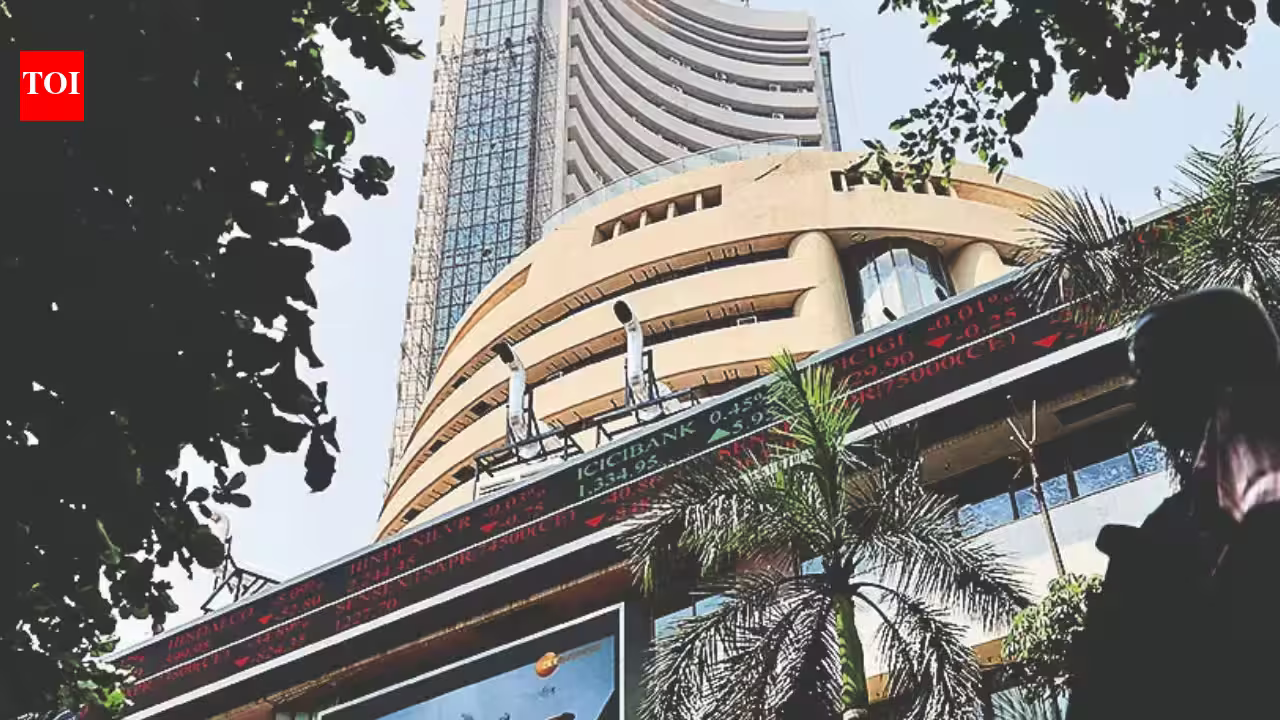
The Indian equity market has experienced a significant upward trajectory, characterized by a dual-day rally that saw the Sensex climb over 2,400 points. This rapid appreciation reflects a combination of macroeconomic stabilization and a shift in global capital flows. The recent performance, culminating in a 1.6% rise on a single Tuesday, highlights the resilience of Dalal Street as it approaches the Diwali season. This performance is not merely a result of speculative trading but is deeply rooted in fundamental shifts regarding the cost of capital, energy prices, and foreign institutional confidence.
When the Sensex sustains a 1,225-point gain followed by a similar momentum, it suggests that institutional investors have reached a consensus regarding the attractiveness of Indian valuations. The primary driver behind this phenomenon is the convergence of multiple cooling indicators. As global volatility persists, the Indian market has distinguished itself by demonstrating a decoupling from certain international uncertainties. The transition from net selling to substantial net buying by Foreign Portfolio Investors (FPIs)—totaling nearly 10,000 crore in just two sessions—underscores a tactical reallocation of capital back into emerging markets, with India serving as the primary destination.
Macroeconomic Drivers: Crude Oil and Currency Stability
The correlation between oil prices and the Indian economy remains one of the most critical variables for long-term growth. India, being a massive importer of crude, is highly sensitive to price fluctuations in the energy basket. When Brent crude prices recede from elevated levels, such as the retreat from the 117-dollar mark to approximately 103 dollars, the fiscal impact is immediate and positive. Lower oil prices alleviate inflationary pressures, thereby reducing the burden on the current account deficit and easing the pressure on the Indian rupee.
The strengthening of the rupee against the dollar, which gained 16 paise to close at 94.73, acts as a force multiplier for foreign investors. For an FPI, a depreciating currency serves as a deterrent, as it erodes the dollar-denominated returns of their equity investments. Conversely, a stable or strengthening rupee provides a currency tailwind. This stability creates a predictable environment for long-term capital deployment. As the cost of imports stabilizes, Indian corporate margins, which were previously squeezed by high energy input costs, are expected to see a recovery in their balance sheets, further justifying the current market valuations.
The Role of FPIs and Domestic Institutional Behavior
The dynamics between Foreign Portfolio Investors (FPIs) and Domestic Institutional Investors (DIIs) provide a fascinating study of market liquidity. In the recent rally, FPIs emerged as the primary catalysts, injecting over 6,800 crore into the secondary market in a single day. This influx is significant because it signals a reversal of the cautious stance that characterized the preceding weeks. While FPIs were busy purchasing, domestic funds remained net sellers. This divergence is typical in high-volatility environments, where local investors often lock in profits during rapid market upswings, while foreign capital, viewing the broader macro picture, aggressively accumulates.
This influx of foreign capital adds depth to the market, providing the necessary liquidity for large-cap stocks like HDFC Bank, ICICI Bank, and Bharti Airtel to drive index gains. The market capitalization of the BSE has surged, adding roughly 4.5 lakh crore to investor wealth in a single session. This wealth effect, while theoretical until realized, serves to reinforce confidence among retail investors who often follow institutional trends. The fact that this momentum was sustained for four consecutive trading days suggests that the market is currently in a phase of broad-based accumulation rather than isolated technical triggers.
Corporate Earnings and Sectoral Performance
While macroeconomic data sets the stage, the underlying strength of the Indian market is built upon the Q2 earnings performance of its listed entities. The corporate sector has shown remarkable resilience in maintaining revenue growth despite global headwinds. Sectoral leaders, particularly in banking and telecommunications, have provided the bedrock for the recent index expansion. HDFC Bank and ICICI Bank, as heavyweights in the Sensex, have been instrumental in pushing the index toward the 77,000-point threshold.
Banking sector performance is a proxy for the health of the broader economy. With credit growth remaining robust and asset quality concerns largely contained, these institutions are well-positioned to benefit from an improved economic environment. Similarly, the telecommunications sector has stabilized, allowing for better pricing power and increased average revenue per user. The collective performance of these giants indicates that the rally is supported by actual business performance rather than mere sentiment. As analysts look toward the upcoming quarters, the expectation of sustained profit margins provides a solid floor for the current stock prices.
Future Outlook and Strategic Considerations
As the market approaches the Diwali period—a time traditionally associated with increased consumer spending and investment optimism—investors are weighing the potential for sustained growth against the risks of global geopolitical instability. The easing of conflicts in West Asia and the cooling of yields in the United States have provided a temporary cushion, but the market must continue to navigate potential inflationary pressures and shifts in interest rate policies.
For the professional investor, the current environment necessitates a focus on quality and fiscal discipline. While the broad market rally has lifted most indices, the sustainability of these gains depends on whether the FPI inflows become a durable trend rather than a short-term tactical play. If the trend of falling yields and stable energy prices persists, the Indian equity landscape may continue to see valuation expansion. However, participants should remain vigilant regarding the divergence between FPI and DII activity, as consistent sell-offs by domestic institutions could eventually cap the upside if the market becomes overextended.
In conclusion, the recent rally represents a successful intersection of favorable macroeconomic variables and robust corporate health. By leveraging lower import costs and benefiting from a renewed interest from global liquidity pools, the Indian market has solidified its standing. Investors should continue to monitor the interplay between crude price volatility and the FPI flow, as these two factors will likely dictate the market trajectory throughout the remainder of the quarter. The current surge is a testament to the fact that when macroeconomic fundamentals align with investor sentiment, the resulting momentum can be both substantial and rapid.
Disclaimer: This content is auto-generated for informational purposes only.
Source: Read Original News