







Strategic Delay for PlayStation’s Flagship Title
Sony Santa Monica has officially announced that the highly anticipated title, God of War Laufey, will no longer meet its original February 2027 release window. The development team has confirmed a new launch date of May 20, 2027. This decision reflects an industry-wide trend of prioritizing product stability and technical polish over rigid release schedules, particularly for high-profile first-party software. By moving the date back by several months, the studio aims to ensure the final build aligns with the high standards expected by both the developers and the dedicated fan base that has followed the series since its 2018 franchise reboot.
The necessity of this delay is underscored by the current state of the gaming calendar. The early months of 2027 have become increasingly congested, with several major titles shifting their release dates to avoid competing directly with blockbuster releases and the long-term impact of industry giants like Grand Theft Auto 6. By targeting a late spring release, Santa Monica Studio provides its project with the required breathing room to succeed in a crowded marketplace, ensuring that the game receives the sustained attention it requires upon arrival.
Technical Challenges and Narrative Shifts
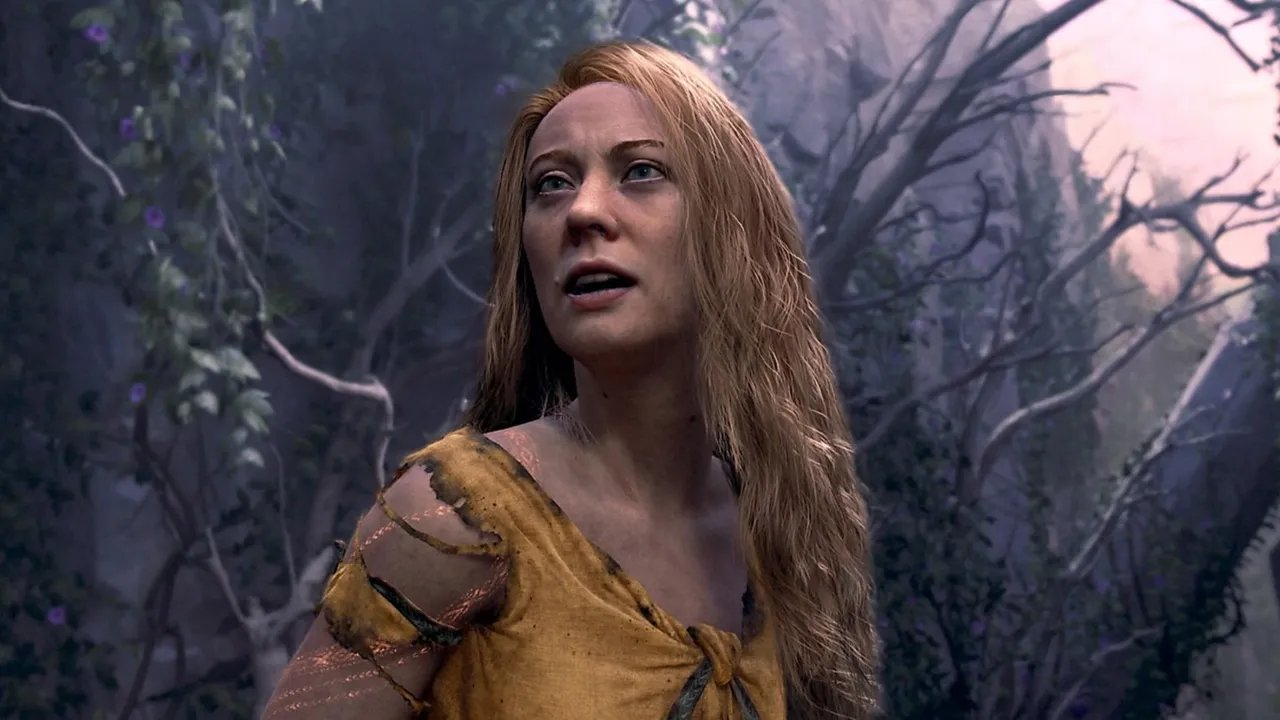
Transitioning the narrative focus from Kratos to Laufey represents a significant shift for the franchise. This change has triggered a wide spectrum of discourse within the gaming community, as fans grapple with the removal of a long-standing protagonist from the primary gameplay loop. From a technical and design perspective, this shift requires the team to introduce new combat mechanics, traversal systems, and ability sets that distinguish Laufey from the established Kratos archetype.
The studio is currently under immense pressure to deliver a product that validates this creative departure. Critics and supporters alike will be scrutinizing the game’s mechanics, storytelling, and performance optimizations. Any technical shortcomings could potentially amplify existing skepticism, making the extra time gained from the delay critical for stress-testing game systems and refining the player experience. The studio has indicated that it will share more comprehensive details in the coming months, likely during major industry events such as The Game Awards or a dedicated PlayStation State of Play broadcast early next year.
The Complexity of Merchandising and Production Cycles
A peculiar side effect of the abrupt scheduling change is the status of the previously announced collector’s box. Because this merchandise was designed to coincide with the original February window, its production timeline is now decoupled from the software release. The studio has yet to confirm whether these physical items will face a similar postponement or if they will ship to consumers ahead of the game’s debut.
This situation highlights a frequent complication in modern game development: the intersection of digital software and physical supply chains. Since the collector’s box does not include the game software itself, it remains to be seen if the product launch will proceed as planned or if Sony will synchronize its physical marketing assets to match the new May release date. This lack of alignment serves as a reminder of how deep the integration is between promotional hardware and the underlying software, even when those items are shipped as separate physical entities.
Expanding the God of War Universe
Despite the shift in the lead character, God of War Laufey remains a linchpin of the broader narrative tapestry established by the last two entries. The game is expected to function as both a standalone narrative and a connective bridge for future installments. Current reports indicate that while Laufey serves as the protagonist, the game will still involve Kratos, bridging the gap between historical events and the contemporary timeline of the series.
This structure suggests a multi-layered approach to world-building. By interleaving these stories, the studio is setting the stage for future titles, including another project already in development that returns to a Kratos-led narrative. For long-term followers, this indicates that the franchise is moving toward a more expansive, interconnected model rather than a simple linear progression. The implications for the internal consistency of the game universe are significant, as each new release must carefully manage historical continuity while exploring new perspectives within the Norse and Greek mythology frameworks.
Impact on the 2027 Gaming Landscape
The release of God of War Laufey in May 2027 will effectively establish it as one of the definitive releases of the year for the PlayStation ecosystem. Its success or failure will likely influence how Sony approaches character-centric spin-offs in its first-party portfolio. Given the scrutiny surrounding the game’s departure from traditional character conventions, the reception of this title will be a primary indicator of how much creative latitude audiences are willing to grant established franchises.
As the development team at Santa Monica Studio utilizes these final months of production, the focus will undoubtedly shift toward optimization and user experience. Whether the game successfully navigates the transition to a new protagonist while maintaining the mechanical depth of its predecessors remains the central question. For now, the move to May represents a calculated effort to preserve the longevity of the brand and ensure that the final technical build is representative of the studio’s capabilities. Collectors and players will now have to wait until late spring to determine if the expansion of this universe satisfies the weight of expectation surrounding such a storied franchise.
Disclaimer: This content is auto-generated for informational purposes only.
Source: Read Original News