









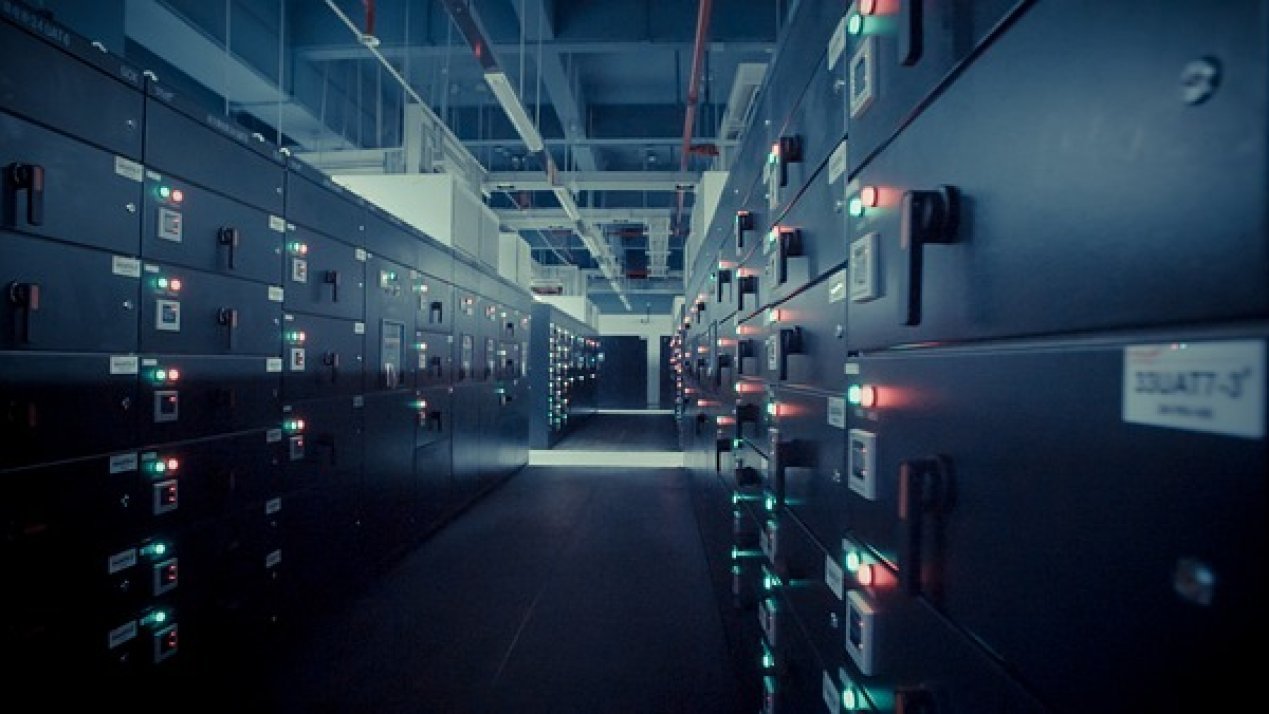
Mexico is rapidly transforming into a cornerstone of North America’s digital economy, fueled by a massive US$82.5 billion investment wave projected through 2031. As the nearshoring trend lures manufacturing back to the continent and the global appetite for enterprise AI workloads skyrockets, the nation finds itself at a historic inflection point. However, this capital influx is meeting the rigid constraints of physical reality, setting the stage for a high-stakes race to balance ambition with electrical grid capacity.
## The AI Engine and Physical Constraints
The driving force behind this unprecedented expansion is the insatiable demand for AI-ready infrastructure. Modern artificial intelligence training clusters are rewriting the rules of data center engineering, with power density requirements per rack now climbing from 50 kW to over 100 kW. This shift renders traditional air-cooled systems obsolete, forcing developers to pivot toward liquid cooling, direct-to-chip heat exchangers, and advanced waterless cooling technologies.
While capital is abundant, the “hard” infrastructure—specifically the national electrical grid—has emerged as the primary bottleneck. Industry reports indicate that Mexico requires an additional 1.73 GW of energy capacity to meet the baseline demand of planned projects. With state utility CFE facing transmission delays and procurement backlogs for critical components like power transformers, operators can no longer rely on standard utility connections alone.
## Strategic Partnerships and Grid Integration
To mitigate these risks, the Mexican Data Center Association (MEXDC) and major industry players are engaging in deep, systemic coordination with federal authorities. Permanent technical working groups have been established to share load profiles years in advance, allowing for more strategic synchronization of energy delivery schedules.
For many developers, the path forward involves bypassing grid limitations through innovation. The new wave of data center builds in hubs like Querétaro, Guanajuato, and Nuevo León is increasingly incorporating on-site microgrids, sophisticated battery energy storage systems (BESS), and localized self-generation models. This move toward off-grid autonomy is not merely a sustainability initiative but a business-critical requirement to ensure uptime in a market where grid reserve margins remain tight during peak usage hours.
## Future-Proofing the Digital Frontier
Beyond the engineering challenges, the long-term success of Mexico’s digital pivot hinges on meticulous site selection and regulatory agility. As global cloud giants and domestic leaders like KIO Networks scale their operations—CloudHQ’s massive 1,000 MW project in Querétaro stands as a prime example—the market is shifting toward a “sustainability-first” model.
The economic ripple effect of this investment is substantial, with projections pointing toward the creation of nearly 100,000 construction jobs and thousands of specialized technical roles. Yet, the true test for stakeholders lies in their ability to turn massive financial pipelines into operational, resilient computing assets.
Ultimately, the players that will thrive in this environment are those that integrate power availability, self-generation readiness, and advanced thermal management directly into their core operational strategy. By bridging the gap between ambitious capital deployment and the practical limits of national infrastructure, Mexico is positioning itself to become a definitive, resilient hub for the global AI-driven tech sector. As the industry advances, the collaboration between private developers and the public sector will define whether the nation can sustain this momentum as a premier gateway for North American digital traffic.
Disclaimer: This content is auto-generated for informational purposes only.
Source: Read Original News