







Strategic Direction for Square Enix: Balancing Innovation and Legacy
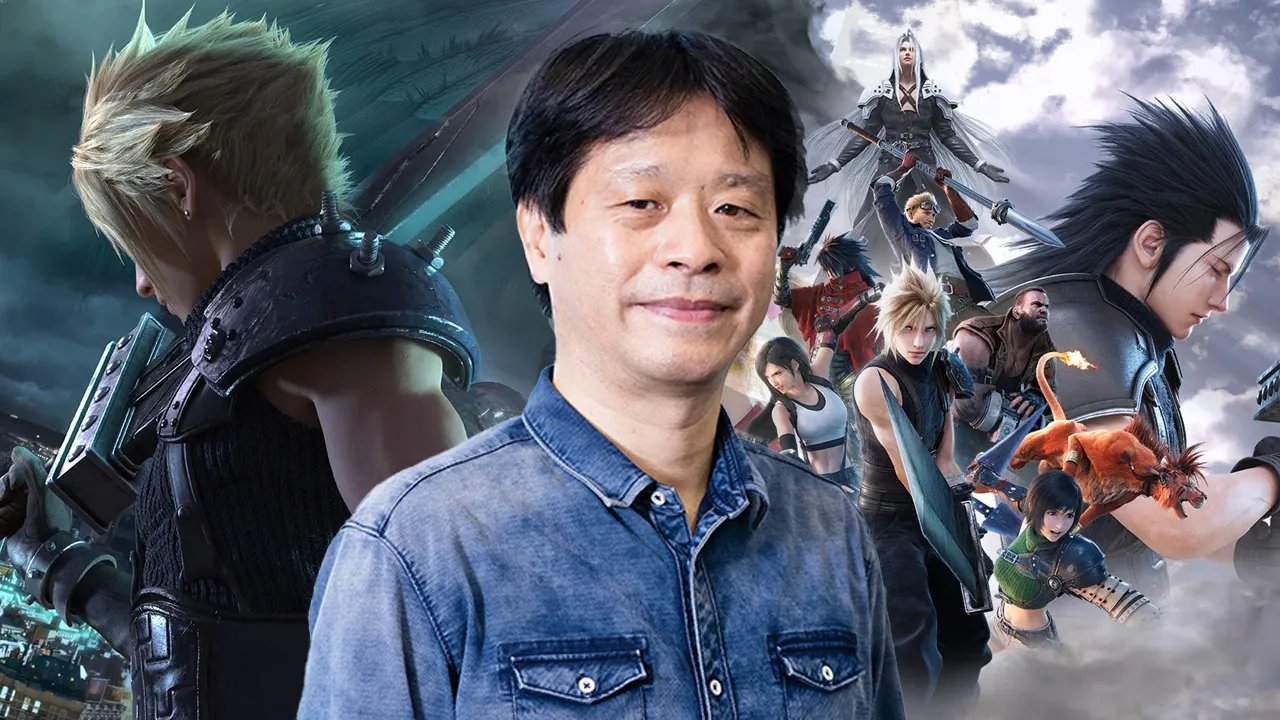
As the gaming industry looks toward the conclusion of the highly anticipated Final Fantasy VII Remake trilogy, Yoshinori Kitase, the veteran producer and brand manager, has provided insight into the future trajectory of Square Enix. Speaking at the 2026 Lucca Comics and Games Festival, Kitase addressed the delicate balance between developing original intellectual properties and revisiting beloved classics.
According to Kitase, while remaking established titles is a significant part of the company’s identity, the primary focus remains on investing in new projects. The decision to pursue the Final Fantasy VII project was driven by a deep personal connection and a desire to bridge the gap between long-term fans and a new generation of players. However, this does not indicate a shift toward a remake-centric business model. Instead, the company evaluates each title on its merits, weighing the creative necessity of updating old worlds against the imperative to innovate and deliver fresh experiences.
The Core Essence of the Final Fantasy Franchise
When analyzing the longevity and global appeal of the Final Fantasy brand, Kitase points to two fundamental pillars: character development and a unique cultural synthesis. The series’ success is largely anchored in its ability to craft deeply relatable characters who undergo meaningful arcs throughout the progression of the narrative. This focus on individual growth serves as the emotional anchor for players, regardless of the technological advancements in the title.
Beyond the narrative structure, the series represents a fascinating evolution of cultural influences. Initially modeled after European aesthetics, the series has increasingly integrated Japanese sensibilities, influenced by the creators’ backgrounds in manga and anime. This blend of international visual motifs and localized storytelling techniques has helped maintain the franchise’s position as a standout entity within the RPG genre, appealing to a diverse global audience that appreciates its distinct identity.
Potential Expansion into Film and Television
Square Enix has long flirted with cross-media adaptations, and under Kitase’s guidance, there is renewed interest in leveraging the depth of the Final Fantasy lore for television or film. The expanded scope of the Final Fantasy VII Remake, which delved deeper into the world’s history than the 1997 original, proved that there is significant narrative density to explore beyond the constraints of a standard game runtime.
Kitase noted that the company is open to exploring cinematic or episodic adaptations. While no specific projects were confirmed, he suggested that the existing worlds within the franchise are robust enough to warrant expansion into other media formats. This shift represents a broader industry trend where gaming companies seek to transform their intellectual property into transmedia experiences to reach audiences beyond the traditional console landscape.
Technological Inspiration and the Cycle of Creativity
Reflecting on the competitive landscape, Kitase commented on games like “Clair Obscure: Expedition 33,” which pay homage to the turn-based RPG traditions that Square Enix helped define. He characterized this as a healthy, creative cycle. Kitase himself identified the Star Wars franchise as a major influence on his early development years.
This influence manifested in small, significant homages—such as the characters Biggs and Wedge in Final Fantasy VI, and the incorporation of the podracing concept from Star Wars Episode 1 into the Blitzball mechanics of Final Fantasy X. Kitase emphasized that while he avoids direct imitation to prevent derivative work, these thematic inspirations are essential to the creative process, confirming that the cross-pollination of ideas between different mediums is a cornerstone of his design philosophy.
The Future of Development and Generational Shifts
Looking toward his next professional chapter, Kitase is considering how to adapt the traditional Final Fantasy identity to suit the preferences of younger players. He observed that newer gaming generations often prioritize high-octane battle systems and action-oriented gameplay over traditional, slow-paced narrative discovery.
His goal for future projects is to engineer a synthesis that honors the legacy of Final Fantasy’s deep, meaningful storytelling while leaning into the fast-paced, action-focused combat systems that modern players demand. By shifting the focus toward this gameplay-first structure without discarding the character-driven narrative heart, Kitase hopes to set a new standard for the brand.
While public demand for a Final Fantasy VI remake continues to be a frequent topic of conversation, Kitase remains focused on moving away from remakes in the near future. He is clearly positioning himself to tackle new creative challenges, ensuring that while the past is remembered and preserved, the future of the franchise remains centered on innovation.
Disclaimer: This content is auto-generated for informational purposes only.
Source: Read Original News