






As the industry approaches the 20th anniversary of the iPhone, anticipation for Apple’s next major hardware revision has reached a fever pitch. Reports regarding the forthcoming iPhone Pro models, expected in late 2027, suggest a departure from established design languages, particularly regarding screen technology. While speculation had previously centered on the possibility of a completely seamless, cutout-free display, recent industry intelligence indicates that the iconic Dynamic Island will remain a permanent fixture in the hardware architecture for the immediate future.
Refining the Display Strategy
The pursuit of the “all-glass” smartphone experience has been a long-standing objective for mobile manufacturers. The goal is a device where the entire front surface is an active, uninterrupted display. For Apple, this challenge is complicated by the necessity of the TrueDepth camera array, which powers Face ID and various biometric security features.
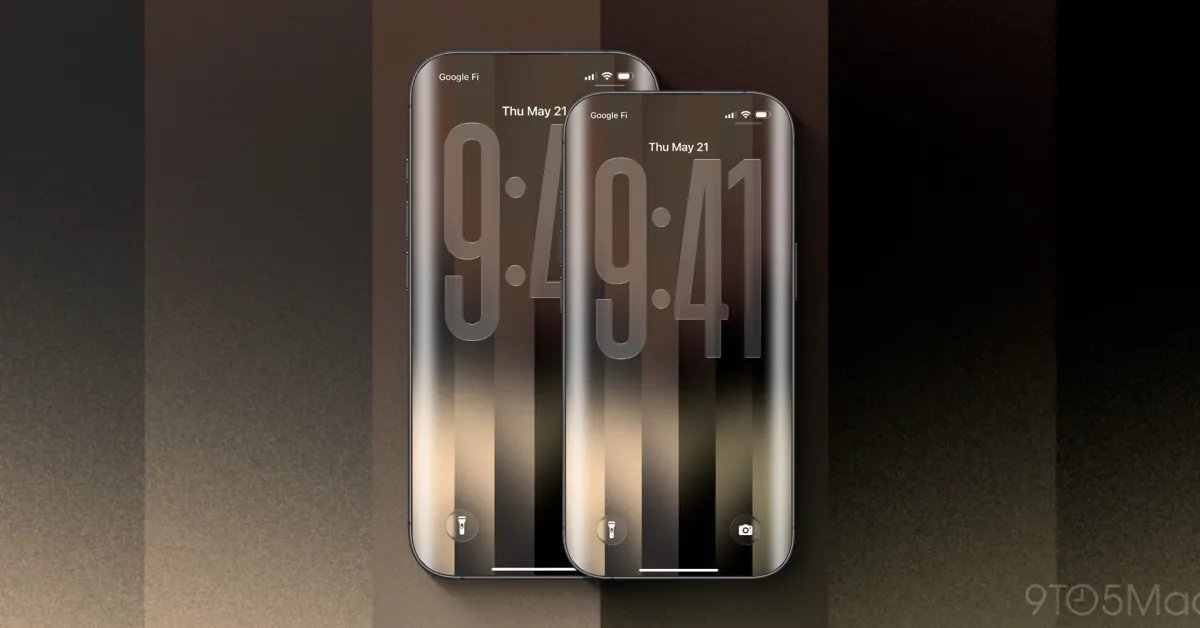
Recent leaks originating from supply chain sources and analysts suggest that while the physical profile of the upcoming iPhone Pro models will undergo a significant transformation—including a rumored quad-curved design that extends the display to all four edges of the chassis—the hardware underlying the screen remains constrained by current sensor technology. The confirmation that the display will retain holes for the Dynamic Island implies that the technology required to place high-resolution cameras and secure infrared sensors beneath a fully operational OLED panel has not yet reached the reliability or quality benchmarks required by Apple for a flagship Pro release.
The Persistent Role of the Dynamic Island
Since its introduction, the Dynamic Island has evolved from a clever way to hide the display cutout into a functional user interface element. By integrating software notifications, background activity status, and system alerts into the region around the front-facing sensors, Apple has successfully repositioned a hardware limitation as a distinctive software asset.
Retaining this design choice for the 20th-anniversary model suggests that Apple intends to continue prioritizing the utility of the Dynamic Island. Rather than viewing the cutout as a detriment to the user experience, the company appears to be investing in the software layer to make the area more interactive. Even as the screen hardware undergoes a transition to a more aggressive, bezel-free curve, the presence of the Dynamic Island ensures that the UI/UX consistency across the product line remains intact.
Technological Hurdles for Under-Display Sensors
The difficulty in achieving a truly hole-free display lies in the physics of light transmission. To hide a camera beneath an OLED display, the screen pixels above the lens must be transparent enough to allow light to reach the sensor while maintaining color accuracy and brightness consistency with the rest of the display. Currently, most under-display camera solutions suffer from reduced image quality, diffraction issues, or visible grid artifacts in the screen area covering the sensor.
For the Pro series, which is marketed toward users who demand high-fidelity photography and advanced Face ID performance, these compromises remain unacceptable. By sticking with the established Dynamic Island cutout, Apple maintains its performance standards for security and optics. The engineering trade-off is clear: Apple is opting for proven, high-performance biometric hardware over the aesthetic appeal of a completely seamless display.
Design Implications of a Quad-Curved Display
While the retention of the Dynamic Island might disappoint those seeking a minimalist front panel, the rest of the chassis is expected to feature a radical redesign. The anticipated quad-curved display represents a significant shift in manufacturing complexity. Unlike traditional 2.5D or 3D curved glass, a quad-curved panel wraps around the top, bottom, and both sides, essentially eliminating the bezel entirely.
This design change aims to provide a more immersive visual experience and a unique ergonomic feel. The impact of such a screen is not just aesthetic; it allows for a more fluid interaction with edge-based gestures and a higher screen-to-body ratio. By focusing on the structural geometry of the phone, Apple appears to be channeling its efforts into the tactile and visual appeal of the device’s frame, rather than just the composition of the display surface itself.
Future Outlook and Consumer Impact
As we look toward 2027, the focus shifts to how these hardware decisions influence the market. The iPhone Pro series continues to set the benchmark for high-end mobile devices, and its design choices often trickle down to lower-tier models in subsequent years. The decision to keep the Dynamic Island confirms that it is no longer just a temporary solution, but a foundational part of the Apple ecosystem.
Users can expect that, despite the lack of a cutout-free front, the integration of new glass-bending techniques and internal optimizations will make the next generation of Pro models feel like a significant evolution. For professional users, the reliability of the Face ID and camera systems remains a primary selling point, and by choosing to refine the Dynamic Island rather than sacrifice camera capability, Apple maintains the functional integrity that its power-user base expects. While the dream of an invisible front-facing sensor suite persists, the reality of the 20th-anniversary iPhone will be defined by a focus on refined utility and a bold, wraparound industrial design.
Disclaimer: This content is auto-generated for informational purposes only.
Source: Read Original News