






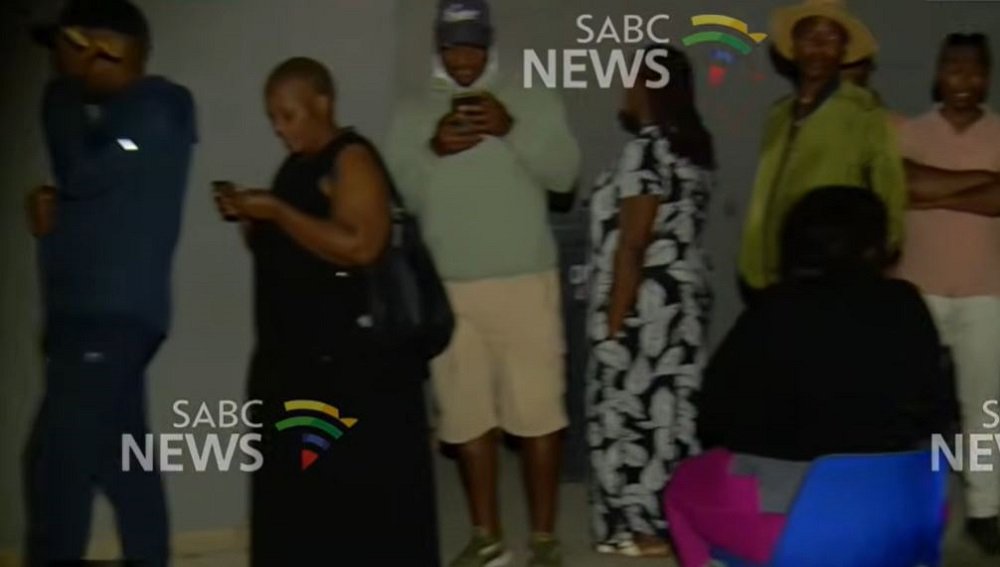
Voting across the Cape Metro was marked by a mix of profound democratic commitment and logistical frustration as thousands of citizens navigated lengthy delays, technical glitches, and grueling wait times late into the evening.
While the Independent Electoral Commission (IEC) in the Western Cape reported earlier in the day that initial issues with voter management devices had been resolved and additional staff deployed, many polling stations remained overwhelmed. Across various precincts, voters reported standing in queues for up to six hours, testing the patience of even the most determined participants.
In Mfuleni, the situation reached a breaking point for many, with a significant number of residents abandoning the queues altogether. Disappointed voters spoke of the physical and logistical toll, noting that the slow pace of the process made it impossible for those with work commitments or long distances to travel to participate effectively. One resident lamented that the delay effectively disenfranchised those who had hoped to vote after their shifts. “I came at 3:00 or 4:00 PM, thinking the line would be shorter, but it’s still disappointing,” he said. “It feels like we are not able to exercise our right at all.”
Despite these frustrations, the mood in other parts of the province was defined by a desperate desire for stability and renewal. In Delft, a community recently besieged by a spate of taxi-related violence, residents prioritized safety over convenience. Parents expressed a singular goal: casting a vote for a future where their children can walk to school without the threat of gunfire. Similarly, young, first-time voters turned out in numbers, driven by a collective hope that their ballot might finally trigger the positive change required to reverse the negative impacts of the status quo.
On a historic note, the Garden Route saw a significant shift in civic participation. Residents of Judah Square, South Africa’s largest Rastafari community, cast their ballots for the first time in history. Historically, the community had boycotted elections, viewing mainstream politics as antithetical to their spiritual and ideological convictions. However, the pressing need for service delivery and the failure of past promises spurred a change in heart. For many in the community, breaking the tradition of non-participation was described as a “profound honour” and a necessary step toward holding leadership accountable.
While the Cape Metro wrestled with long queues and logistical bottlenecks, the atmosphere along the West Coast stood in stark contrast. Authorities confirmed that voting in those regions proceeded smoothly and peacefully, with no incidents reported throughout the day.
As the polls closed, the day remained a testament to the resilience of the South African electorate—a population clearly determined to have their voices heard, whether they were standing for six hours in a metropolitan queue or participating in an electoral process for the very first time.
Disclaimer: This content is auto-generated for informational purposes only.
Source: Read Original News