







Mexico’s electricity sector is currently undergoing a structural transformation, shifting from a market-driven environment toward a state-led model characterized by rigorous centralization. Under the stewardship of the Secretariat of Energy (SENER) and the Federal Electricity Commission (CFE), private energy players are being funneled into structured, government-backed partnerships. This pivot marks the end of the previous era of purely merchant-driven renewable development, replacing it with a framework of “Mixed Investment” and “Long-Term Production” contracts.
The New Hybrid Paradigm for Private Capital
The primary mechanism for this transition involves CFE taking a more dominant role in defining the country’s energy roadmap. Through the Mixed Investment model, the state-owned utility mandates majority equity control in joint ventures, requiring private partners to provide the technical expertise and capital necessary to build and maintain infrastructure. Alternatively, the Long-Term Production modality acts as a modernized version of traditional independent power producer (IPP) agreements, where the state dictates project parameters and assumes the role of the primary off-taker.
Industry experts note that this shift is a strategic compromise. Patricio Gamboa, Founding Partner at Energy Intelligence Consulting, describes this as a transitional phase where the industry is no longer entirely open-market but not yet fully state-controlled. By centering project mandates around specific technological requirements—such as solar-plus-storage complexes and cogeneration—the government is effectively de-risking the energy landscape for its own balance sheet while offloading the heavy burden of operational execution to the private sector.
The Challenges of Grid Integration and Market Volatility
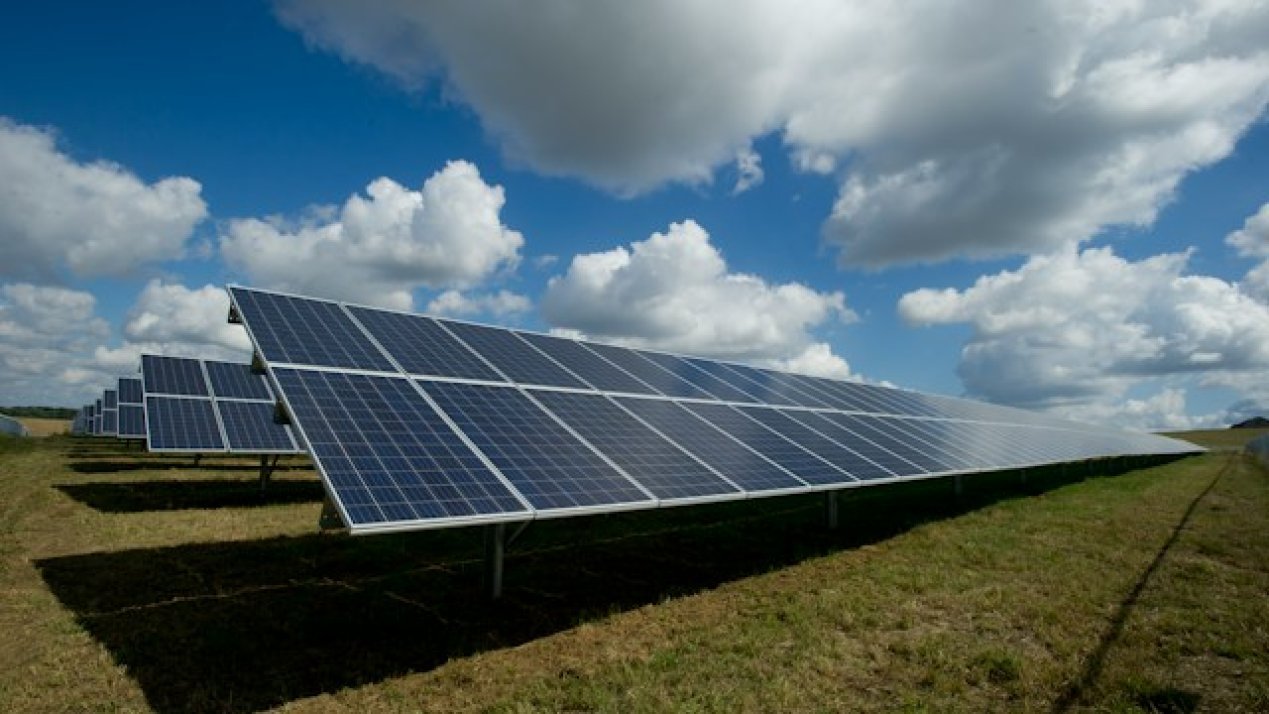
While these collaborative contracts offer a degree of legal and financial certainty, they also introduce significant friction for developers operating outside the direct state umbrella. Those choosing to navigate the Wholesale Electricity Market face the harsh realities of “price cannibalization.” Because much of the new utility-scale solar capacity hits the grid during identical daylight hours, local marginal prices often collapse. This creates a supply glut during the day and a desperate need for power during evening peaks, forcing developers to contend with high volatility and the technical necessity of battery energy storage.
Furthermore, integration into the grid remains a costly and complex endeavor. The National Center for Energy Control (CENACE) now requires private developers to shoulder substantial system integration costs, including investments in network reinforcement and dynamic stability equipment. For companies like Quartux, the path forward is clear: the energy system is evolving to favor intelligence and flexibility over raw generation capacity. As Commercial Director Ayalli Gurria notes, simply adding more renewables is insufficient; industrial stability now demands a sophisticated approach to storage and demand-side management.
The Bottleneck of Transmission Infrastructure
Technical limitations remain the most significant hurdle to Mexico’s energy ambitions. There is a profound geographical disconnect between the country’s renewable-rich zones in the north and the industrial demand hubs in the center. Carlos Egido, CEO of KINO Energia, emphasizes that the transmission deficit is no longer a debate between public and private interests, but a fundamental infrastructure crisis that necessitates a unified, systemic response.
To bridge this gap, the government is utilizing a combination of public budget allocations and financing vehicles like CFE Fibra E. Furthermore, SENER has extended the registration windows for battery storage and strategic generation tenders to 2027. This move provides a crucial runway for firms to finalize interconnection studies and adjust their capital strategies to align with the state’s long-term modernization agenda. Ultimately, for private developers, success in Mexico’s evolving energy landscape will depend on their ability to integrate seamlessly with state planning while mastering the complex technical demands of an increasingly congested national grid.
Disclaimer: This content is auto-generated for informational purposes only.
Source: Read Original News