







Advancing Cloud Gaming Architecture
Microsoft has officially introduced a significant shift in how controllers interact with streaming services, focusing on reducing the mechanical and digital friction inherent in cloud gaming. By unveiling the Xbox Nano controller and its associated cloud connect technology, the company is addressing one of the most persistent hurdles for remote play: input latency. For years, the standard architecture for console streaming has relied on Bluetooth or wired connections to a local device, such as a PC or smart TV, which then processes the signal before routing it to the cloud server. This multi-step process introduces inherent delays that can degrade the experience of fast-paced or competitive titles.
The new approach bypasses the local intermediary device entirely. Through a direct Wi-Fi link, the Xbox Nano controller communicates information over the local area network straight to the cloud server hosting the game instance. By removing the secondary device from the signal chain, Microsoft aims to achieve a more immediate registration of player inputs. This change is not merely a hardware adjustment; it represents a fundamental rethinking of how edge computing and local peripherals coexist in a streaming ecosystem.
The Mechanics of Cloud Connect
At the core of this update is the cloud connect feature, a protocol designed to optimize packet delivery between the hardware peripheral and Microsoft’s server infrastructure. Typically, a Bluetooth-connected controller sends its data to the console or TV, which then interprets the signal and bundles it into the data stream going back to the cloud. This intermediary step requires buffering and decoding, which contributes to the perception of lag.
With cloud connect, the Xbox Nano controller functions as an autonomous network device. Once configured via the Xbox Accessories app on a PC or the beta version of the Xbox Android app, the controller establishes a persistent, low-latency connection to the specific Azure data center where the player’s game is actively running. This ensures that the synchronization between button presses and visual feedback is as tight as possible. While traditional Bluetooth remains a secondary standard for local console use, the introduction of direct Wi-Fi capability positions the Nano as a specialized tool for users heavily invested in the cloud-first gaming model.
Expanding Accessibility Through Smart TV Integration
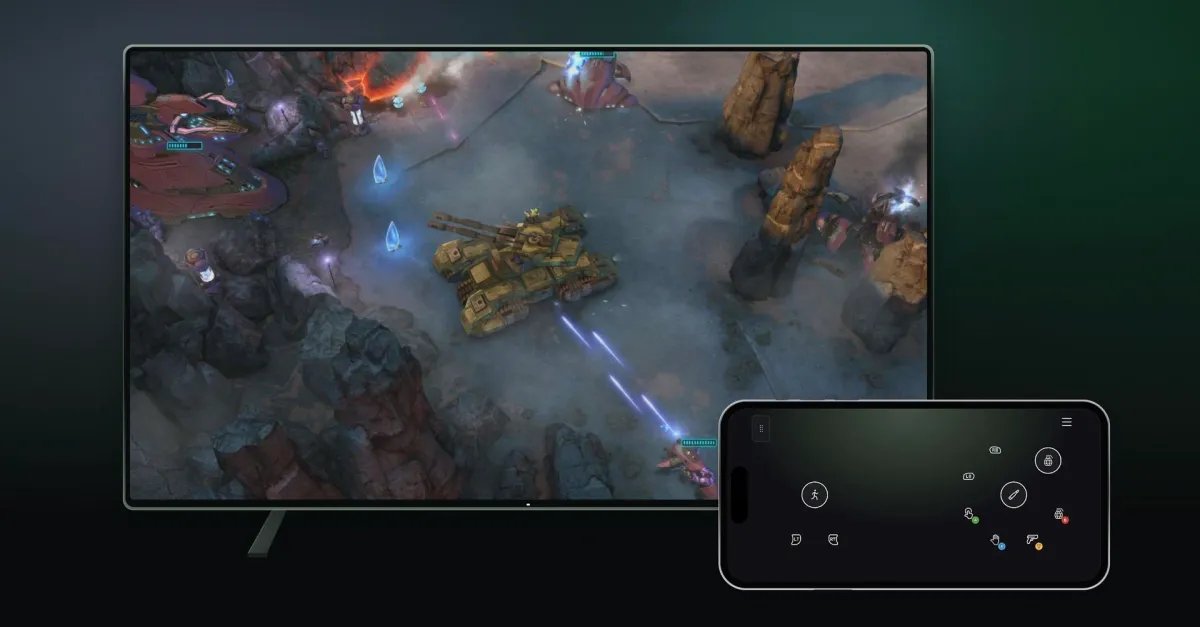
Parallel to the release of the Nano controller’s advanced connectivity features, Microsoft is also testing a new system that transforms a standard smartphone into a functional controller for smart TVs. This initiative removes the requirement for users to own a dedicated, paired game controller to participate in cloud gaming. By using the smartphone’s touchscreen as a haptic-responsive interface, the company is lowering the barrier to entry for casual users who may not possess professional-grade gaming hardware.
This preview feature is managed through the settings menu within the Xbox Cloud Gaming interface on compatible smart TVs. By enabling the preview in the Account settings, users can sync their mobile device to the TV’s stream. The system leverages local Wi-Fi to mirror input data, allowing the phone to act as a bridge. This move is strategically significant as it expands the reachable market for Xbox services, making high-end titles accessible on hardware that is already present in most living rooms. While this does not replace the tactile precision of a physical controller, it provides a functional solution for navigating menus, playing turn-based strategy titles, or engaging in light interactive entertainment without the need for additional peripheral investment.
The Beta Testing Phase and Technical Constraints
Microsoft has been clear that these implementations are currently in an early preview stage. As such, the company is managing expectations regarding performance stability and broad compatibility. During this beta phase, not every game within the library will support the full suite of cloud connect features, and device support is being rolled out in tiered segments.
Geographic availability is also a factor in this initial rollout. Users in the United States are currently the primary demographic for testing the Nano controller’s direct cloud connectivity, while a broader international rollout is occurring for the phone-as-a-controller integration. These limitations are intentional, allowing engineers to gather telemetry data regarding network stability and input registration accuracy across various home networking environments. The transition from local Bluetooth to direct cloud-based Wi-Fi requires a robust home network; therefore, Microsoft is emphasizing the need for stable, high-speed Wi-Fi environments to ensure that the reduction in latency is not undermined by signal interference or network congestion.
Impact on the Future of Gaming Hardware
The implications of this update extend beyond a single piece of hardware. If the Xbox Nano’s direct Wi-Fi connection proves successful in reducing latency to levels that feel native, it could signal a long-term shift away from traditional console-bound hardware. The reliance on expensive proprietary consoles for local processing is becoming less critical as the cloud environment begins to accommodate the nuance of low-latency interaction.
Furthermore, by integrating smartphones as viable input methods for smart TVs, Microsoft is effectively democratizing access to its gaming ecosystem. This removes the necessity of owning dedicated peripherals, effectively turning any screen and any connected mobile device into a high-performance gaming station. As Microsoft continues to refine these technologies, the gaming industry may see a transition where the quality of the player experience is defined less by local hardware power and more by the efficiency of the connection between the user’s hand and the server. This dual-pronged strategy—high-performance hardware for enthusiasts and seamless mobile integration for casual users—reflects a comprehensive approach to capturing a wider audience while simultaneously solving the technical performance gaps that have historically held cloud gaming back from true parity with local play.
Disclaimer: This content is auto-generated for informational purposes only.
Source: Read Original News