








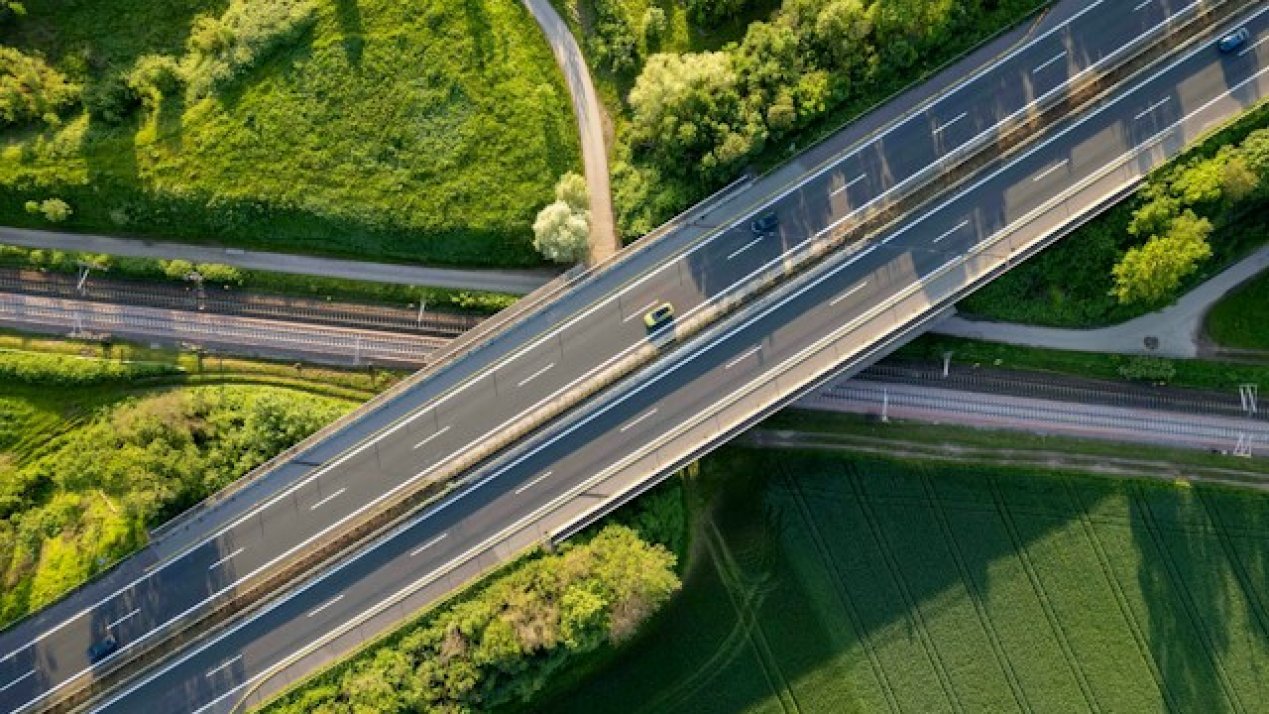
Mexico’s critical infrastructure is undergoing a technological transformation as the government doubles down on road connectivity. With a massive MX$397.05 billion investment earmarked for the modernization of nearly 5,000 kilometers of roads and dozens of bridges, officials are moving beyond traditional construction toward “smart” maintenance. At the heart of this shift are digital twins—dynamic, AI-powered virtual replicas of physical structures that promise to revolutionize how engineers monitor asset safety.
The Evolution of Structural Monitoring
For years, the integrity of Mexico’s transit networks relied on periodic visual inspections and manual technical testing. While foundational, these human-led methods often struggle to detect subtle structural fatigue occurring between audits. Digital twins offer a sophisticated alternative by synthesizing real-time data from accelerometers, fiber optic sensors, and environmental monitors.
By creating a digital feedback loop, infrastructure managers can compare real-time performance against expected mathematical models. Organizations like the Mexican Institute of Transportation (IMT) and the Center for Monitoring Bridges and Intelligent Structures (CeMPEI) have already begun piloting this technology on high-profile assets, such as the El Carrizo cable-stayed bridge in Sinaloa, to anticipate maintenance needs before they become safety hazards.
The Challenge of AI Accuracy and False Positives
Integrating artificial intelligence into bridge safety requires overcoming significant technical hurdles, specifically regarding the reliability of automated alerts. A core issue is “signal noise”—distinguishing between actual structural degradation and the natural fluctuations caused by heavy freight traffic, shifting temperatures, or high winds.
Modern research, including studies published in Applied Sciences, highlights that if an algorithm is not meticulously calibrated, it can generate a deluge of false alarms. These false positives present a twofold problem: they risk leading to costly, unnecessary maintenance interventions, or worse, they may cause operators to become desensitized, potentially ignoring an alert that signals a legitimate emergency. To mitigate this, engineers are increasingly turning to neural networks that learn from historical data to filter out “normal” environmental variance, ensuring that human intervention is only triggered when a true anomaly is detected.
Minimizing Latency for Real-Time Response
Beyond accuracy, the effectiveness of digital twins relies heavily on latency—the time it takes for data to travel from a bridge sensor to an engineer’s dashboard. In the context of critical infrastructure, a highly accurate alert is useless if it arrives too late to prevent a safety incident.
Recent advancements in distributed processing, often utilizing edge computing (where data is analyzed locally on the device rather than in a distant cloud), are helping to slash these response times to mere milliseconds. By combining edge processing with cloud-based long-term analysis, authorities can now receive near-instantaneous alerts regarding sudden structural shifts. However, the next phase for Mexican operators will be integrating these technical triggers with institutional action plans. The objective is to ensure that when the digital twin signals a red flag, the appropriate logistics for on-site inspection and traffic rerouting are already in motion.
From Data Points to Strategic Investment
The ultimate goal of adopting digital twins in Mexico is to shift from reactive repairs to predictive maintenance. By analyzing the “health” of a bridge through data, decision-makers can allocate capital more efficiently, prioritizing assets that face the highest stress from climate events or industrial logistics.
While the technology is still maturing, the path forward is clear: the integration of AI-driven modeling into road infrastructure is no longer a luxury but a strategic necessity. As Mexico continues to expand its manufacturing and logistics corridors, the ability to protect these investments via digital transparency will define the resilience of the nation’s future transport network.
Disclaimer: This content is auto-generated for informational purposes only.
Source: Read Original News