





Australia has officially designated a seabed site near its northern coast for a massive carbon storage project, sparking a heated global debate over the viability and ethics of carbon capture and storage (CCS) technology. Led by the Japanese energy firm Inpex, the project aims to store up to 443 million metric tons of carbon dioxide in the West Peron deep saline aquifer, located 260 kilometers off the coast of Darwin.
The initiative represents a growing trend in the energy sector where major industrial players are betting on CCS to mitigate the climate impact of “hard-to-abate” sectors like steel production and shipping. While the Australian government champions the project as a critical tool for reaching net-zero emissions, environmental groups argue that it poses a significant threat to marine biodiversity and merely serves to extend the lifecycle of the fossil fuel industry.
## The Technical and Strategic Divide
Carbon capture technology involves trapping CO2 emissions at the source, transporting them, and injecting them into geological formations deep underground. Proponents, including energy giants like Shell and Exxon Mobil, argue that CCS is indispensable for global climate goals, particularly where renewable alternatives are not yet commercially or technologically viable for heavy industry.
However, skepticism remains high. The International Energy Agency (IEA) has noted that while CCS is a useful tool, its actual contribution to reaching net-zero scenarios by 2050 is expected to be less than 5%. Critics contend that the reliance on such technologies allows companies to avoid the necessary, immediate transition to cleaner energy sources. Instead, they argue, it incentivizes the continued burning of fossil fuels under the guise of future mitigation.
## Environmental Concerns and Ecosystem Risks
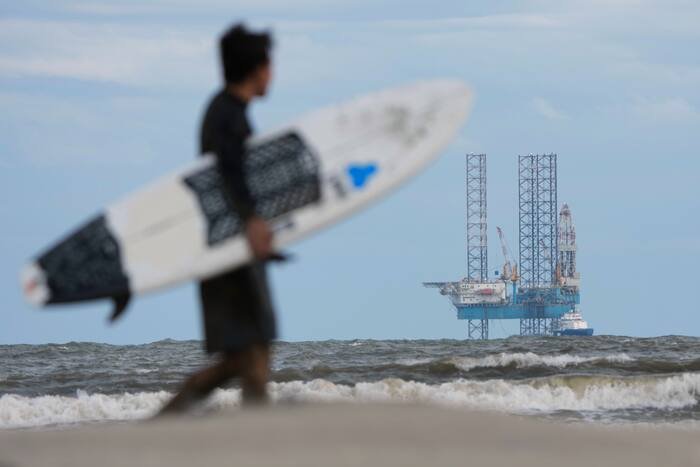
For local conservationists, the immediate concern lies not just in the potential for future leakage, but in the physical construction and long-term operation of the site. Chelsea Deng of the Australian Marine Conservation Society highlighted that the infrastructure requirements—including dredging, drilling, and high-frequency noise pollution—pose a direct threat to sensitive habitats.
The project site is situated in an area frequented by endangered marine life, including sea turtles, dugongs, and various whale species. Environmentalists worry that the persistent seismic testing and underwater activity required for monitoring CO2 plumes will disrupt marine ecosystems for decades, potentially harming everything from plankton populations to protected migratory species.
## Corporate and Tech Industry Implications
The project is closely linked to Japan’s aggressive decarbonization targets, which seek a 73% reduction in emissions by 2040. For Japan, which relies heavily on fossil fuels for its industrial base, CCS is viewed as a strategic necessity. Similar projects are already emerging globally, with the United States operating several facilities and the European Union launching its first offshore site in the North Sea last September.
In the tech and energy innovation space, the rise of CCS is often viewed as a “greenwashing” tactic by opponents, but proponents argue it represents a critical engineering frontier. As firms like Inpex push forward with environmental assessments and license acquisitions, the project highlights a significant friction point in the climate tech sector: whether innovation should focus on cleaning up existing industrial processes or strictly on replacing them.
With Inpex’s project expected to store CO2 for over 35 years, the debate in the Timor Sea will likely serve as a barometer for how governments and corporations navigate the balance between industrial economic stability and the protection of global ecosystems. As this project moves toward the final licensing stages, it remains a primary example of the tension between technological solutionism and the urgency of the climate crisis.
Disclaimer: This content is auto-generated for informational purposes only.
Source: Read Original News