







The Closure of BioWare and the Shift in Strategic Priorities
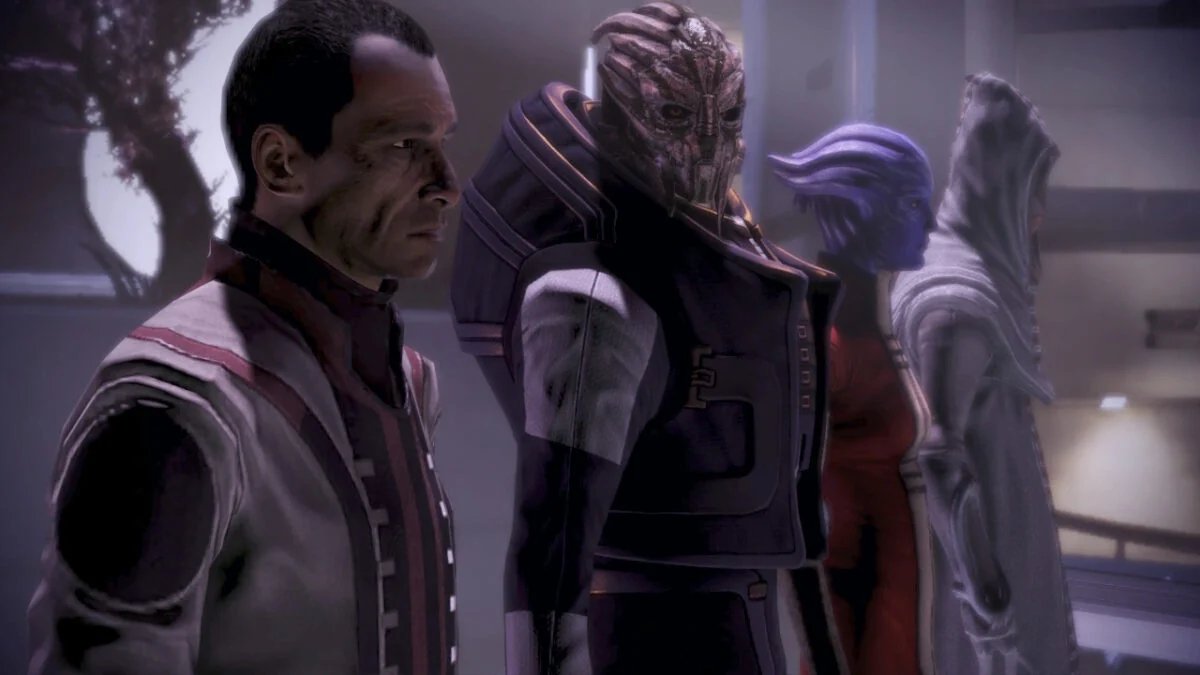
The recent closure of BioWare, a staple of the Canadian video game development landscape, has triggered a significant reaction within the gaming community and the political sphere. Known for building complex, narrative-driven role-playing games (RPGs), the studio’s sudden shutdown by parent company Electronic Arts (EA) has resulted in the cancellation of several projects, most notably the anticipated Mass Effect: Universe.
The decision to cease operations at the studio appears to be the result of a strategic recalibration within EA. Internal reports suggest that the publisher is shifting its financial and resource allocation toward other high-profile projects, specifically the development of a new entry in the Star Wars: Battlefront series. This pivot highlights a broader trend in the gaming industry where large publishers prioritize established, high-revenue, multiplayer-centric franchises over single-player RPGs that require longer, more expensive development cycles. The cancellation of the Mass Effect project suggests that EA views the potential market reach of its licensed Star Wars property as a safer, more profitable investment compared to continuing the internal intellectual property that defined BioWare’s legacy.
Political Intervention and Parliamentary Procedures
In a rare intersection of tech policy and governance, the closure has moved beyond fan discourse and into the Canadian House of Commons. Canadian politician Avi Lewis has advocated for government intervention, suggesting that the state should provide financial backing to allow BioWare employees to acquire the studio from EA. This would essentially transition the developer into an independent entity, potentially preserving the intellectual property (IP) associated with the studio.
To formalize this request, a public petition was launched and sponsored by Member of Parliament Don Davies. The petition frames the existence of the studio as a matter of cultural preservation, arguing that the studio is a critical Canadian export. According to the standing orders of the Canadian House of Commons, a petition requires 500 validated signatures from citizens to be officially tabled. Having cleared this threshold, the petition is now mandated to receive an official response from the federal government. While this ensures that the matter will be discussed at a legislative level, it remains a purely procedural step, as the government holds no direct authority over the private business decisions of a multinational corporation like EA.
The Complexities of Intellectual Property Ownership
A central technical and legal hurdle in the campaign to save the studio is the nature of IP ownership. When Electronic Arts acquired BioWare, it assumed full ownership of all existing brands, assets, and technical frameworks developed by the studio. In the corporate landscape, IP is treated as a primary asset, and it is highly uncommon for a large publisher to divest itself of a valuable brand, even if they choose not to actively develop it.
For an independent buyout to occur, EA would need to agree to a divestment of both the studio and the underlying code, lore, and trademarks associated with Mass Effect. Historically, EA has shown extreme reluctance to sell its assets. Even in cases where studios are shuttered, the publisher typically retains the IP to facilitate potential future remasters, mobile adaptations, or licensing deals. Consequently, even if the Canadian government were to provide the necessary capital, the deal is contingent on a willing seller. The current corporate philosophy at EA favors consolidating its portfolio rather than spinning off assets that could potentially become competitors in the high-end gaming market.
The Economic Reality of Modern Game Development
The situation surrounding BioWare reflects the increasing costs and risks associated with modern AAA game development. Creating massive, narrative-rich open worlds requires hundreds of millions of dollars and multi-year development timelines. When a publisher analyzes its portfolio, it evaluates games not just on their creative potential but on their risk-adjusted return on investment.
By prioritizing Star Wars: Battlefront 3—a title based on a globally recognized brand with significant multiplayer infrastructure—EA is utilizing a strategy aimed at minimizing the risks associated with building an original audience from scratch. Multi-player, service-based games offer recurring revenue streams through live-service updates, which investors often favor over the fixed-revenue model of traditional, finite RPGs. The closure of BioWare serves as a technical case study for how administrative budget constraints and platform shifts dictate the survival of long-standing development teams.
Impact on the Global Entertainment Industry
The potential loss of the expertise and talent that BioWare brought to the industry cannot be overstated. The studio was instrumental in advancing the technology behind player-choice systems, cinematic dialogue trees, and complex branching narratives. These technical contributions have influenced a generation of developers, changing the standard for how stories are integrated into mechanical game systems.
If the studio is permanently dissolved and the staff is dispersed, the industry loses a core group of engineers and designers who understand how to synthesize narrative depth with large-scale 3D environments. While individual developers will move to other studios, the loss of a cohesive team that has worked together for decades represents a “brain drain” that cannot be easily replicated. The petition currently moving through the Canadian government, regardless of its outcome, underscores the realization that these studios are not merely corporations; they are hubs of specialized knowledge and cultural history that are increasingly vulnerable to the shifting financial priorities of the publishing giants that control them. As the industry continues to consolidate, the question of whether cultural value can be protected against pure profit margins remains a critical challenge for developers and fans alike.
Disclaimer: This content is auto-generated for informational purposes only.
Source: Read Original News