








The Enduring Role of Physical Media in Modern Gaming
The landscape of modern gaming is undergoing a structural shift as major publishers lean heavily into digital distribution. While Sony has signaled a clear departure from traditional physical media, Nintendo remains committed to the cartridge format for its hardware. This decision stems from a deep understanding of its consumer base and the unique technical advantages that proprietary storage provides. However, this commitment introduces a complex set of economic and logistical challenges as Nintendo navigates a shrinking ecosystem of specialized manufacturing partners.
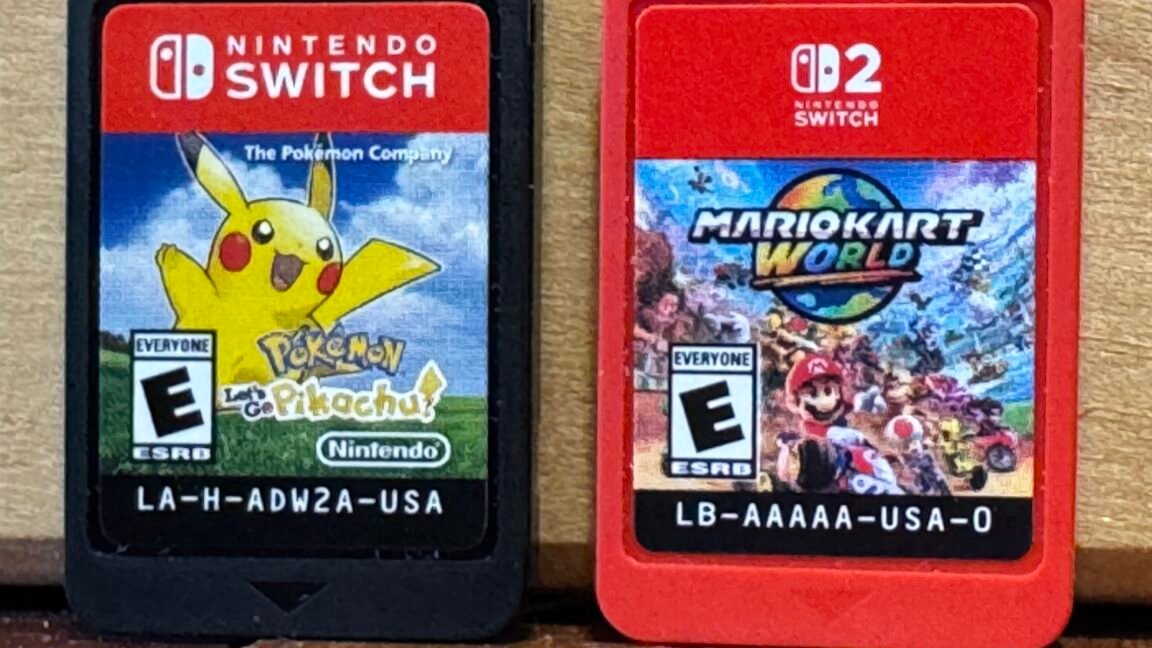
The reliance on read-only memory (ROM) chips—the essential component within a Switch cartridge—places Nintendo in a unique position within the global semiconductor market. As the industry trends toward high-bandwidth flash memory, the specific supply chain for these legacy-style game chips has become increasingly niche. Relying on specialized silicon suppliers like Rohm and Lapis Semiconductor necessitates careful planning. As production capacity for these specific components tightens, the cost structure associated with physical manufacturing faces upward pressure, forcing a reconsideration of how game distribution is priced.
Economic Pressures and Retail Pricing
The increased cost of producing physical cartridges is no longer a theoretical concern for publishers; it has become a primary driver in retail pricing strategies. Nintendo has recently shifted its policy to reflect these manufacturing expenses, with several high-profile titles carrying a higher price point for physical copies than their digital counterparts. This discrepancy highlights the decoupling of software value from the physical medium itself.
For independent and mid-sized publishers, the cost of manufacturing cartridges—often involving high minimum order quantities and per-unit production fees—creates a barrier to entry. Some studios have explicitly noted that their ability to bring physical releases to market depends heavily on the availability of lower-capacity, cost-effective cartridge sizes. By introducing smaller capacity tiers, Nintendo enables a wider range of software to reach the physical market. However, this creates a secondary challenge regarding data management, as games frequently require post-purchase patches and content updates that exceed the storage limits of smaller, cheaper cartridges, further complicating the user experience.
The Digital Dominance Trend
Despite the continued production of cartridges, digital software sales now constitute a clear majority of Nintendo’s revenue. During the second quarter of 2026, digital sales accounted for 61.5 percent of the company’s business, marking a consistent year-over-year increase. This transition represents a shift in consumer behavior that is mirrored across the broader interactive entertainment sector. For most players, the convenience of instant access and the elimination of physical clutter outweigh the benefits of tangible ownership.
As the market share for digital distribution grows, the demand for physical ROM chips is expected to fluctuate. From a business intelligence perspective, this shift could provide a long-term benefit for the remaining physical market. If digital adoption continues to climb, the overall volume of cartridge production will naturally contract, potentially stabilizing costs by consolidating production among fewer, more efficient manufacturing lines. Nevertheless, for the foreseeable future, Nintendo must manage the paradox of supporting a legacy physical medium while operating in an increasingly digital-first economy.
Technical Constraints and Future Cartridge Architecture
The technical design of the Nintendo Switch 2 cartridge represents a balancing act between storage capacity, read speeds, and physical durability. Unlike standard optical discs, which offer high capacity at low cost, flash-based cartridges offer superior load times and portability, which are vital for a hybrid handheld device. Yet, these hardware advantages come at a price. The semiconductor requirements for these modules mean that Nintendo is perpetually tethered to the state of the NAND flash and ROM chip markets.
Engineers must optimize game assets to fit within specific storage tiers. When a game exceeds these defined capacities, publishers face the decision of compressing assets—which can impact visual fidelity—or opting for higher-capacity cartridges, which carry significant cost premiums. This technical constraint influences development pipelines, forcing teams to account for physical manufacturing specifications early in the development cycle. As display resolutions and asset sizes continue to grow, the pressure on these physical storage solutions will only intensify.
The Future of Ownership in a Digital World
The debate surrounding physical media often centers on the concept of digital ownership versus licensing. For many consumers, the purchase of a physical cartridge represents a form of tangible security, ensuring that software can be played independently of servers or active accounts. While Nintendo’s commitment to cartridges satisfies this preference, the reality of modern software deployment—which often requires large day-one downloads to complete the experience—blurs the line between physical and digital formats.
Nintendo’s strategy reflects a pragmatic approach. By maintaining a physical presence, the company addresses the needs of collectors and regions with limited internet infrastructure, while simultaneously scaling its digital storefront to capture the growing audience that prioritizes speed and convenience. The long-term viability of this strategy depends on Nintendo’s ability to manage its supply chain risks. By securing stable, long-term partnerships with semiconductor manufacturers, Nintendo can shield itself from the volatility that has driven other companies to abandon physical media entirely. Whether this dual approach remains sustainable in the next hardware generation will depend on the evolution of global chip manufacturing and the continued appetite of the gaming public for physical artifacts.
Disclaimer: This content is auto-generated for informational purposes only.
Source: Read Original News