






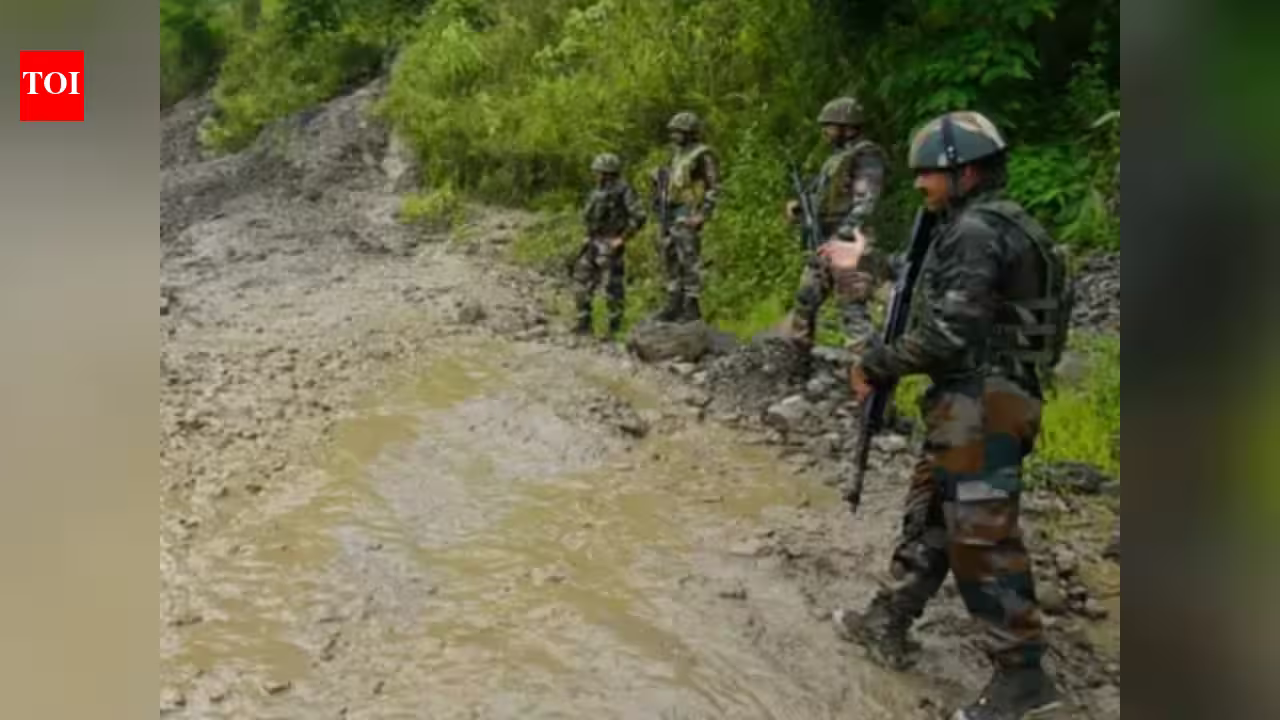
Internal Strife and Security Challenges Grip Manipur as Militant Clashes Turn Deadly
Manipur is grappling with a volatile security landscape following a violent confrontation between two warring factions of the Zeliangrong United Front (ZUF) in Noney district. The clash, which took place at Taodaijang village, resulted in three fatalities, further complicating the fragile peace process in the hill districts of the state.
Fatal Gunfight Stems from Ideological Rifts
The deadly encounter involved militants from the ZUF-J (Zeliangrong United Front-Jenchui) and the ZUF-K (Zeliangrong United Front-Kamson). According to reports, the ZUF-K faction operates with the backing of the NSCN-IM. The exchange of fire left two members of the ZUF-J dead, while one fatality was reported from the ZUF-K side.
Tensions had been simmering for days before escalating into open violence. The primary catalyst for the confrontation appears to be a public declaration issued by ZUF-K on November 1. In the statement, the faction accused the ZUF-J of undermining Naga interests by maintaining close ties with central security forces. The irony of the situation is stark; the ZUF-J is a signatory to the Cessation of Operations (CoO) agreement with the Government of India, a pact that has been in place since 2022 as part of ongoing efforts to bring militant groups into the mainstream.
Protests Erupt in Kangpokpi
While Noney remains under the shadow of the recent gunfight, neighbouring Kangpokpi district is witnessing a different kind of unrest. The Committee on Tribal Unity (CoTU), Sadar Hills, has announced a 48-hour extension of its ongoing shutdown. The protest, which is now scheduled to conclude at 5 pm on November 6, was triggered by the government’s perceived inaction regarding the recent abduction and subsequent killing of two Kuki-Zo tribesmen.
Community leaders have expressed deep frustration, alleging that authorities have failed to identify the perpetrators or provide justice for the families of the victims. The extended strike is causing significant disruption to transportation and daily life in the region, reflecting the growing disillusionment among tribal populations regarding the state’s ability to ensure their safety.
Government Tightens Oversight on Armed Groups
The resurgence of violence across these districts comes at a critical time for the administration. Just 24 hours prior to the Taodaijang incident, Manipur minister Yumnam Khemchand Singh issued a stern directive to security agencies. He ordered officials to launch a rigorous identification process to pinpoint “active” armed groups operating within the state.
Crucially, the government has directed security forces to distinguish between these active insurgent elements and those factions that have entered into official peace talks with the state and central governments. By creating this distinction, the administration aims to isolate non-compliant militant groups that continue to bypass peace protocols and incite violence.
As the security establishment works to stabilize the volatile hill districts, the dual pressures of inter-factional warfare and community-led protests present a significant hurdle to restoring normalcy. The government’s ability to enforce its directive on active armed groups while addressing the grievances of the Kuki-Zo community will be a litmus test for the state’s current security strategy in the weeks ahead.
Disclaimer: This content is auto-generated for informational purposes only.
Source: Read Original News