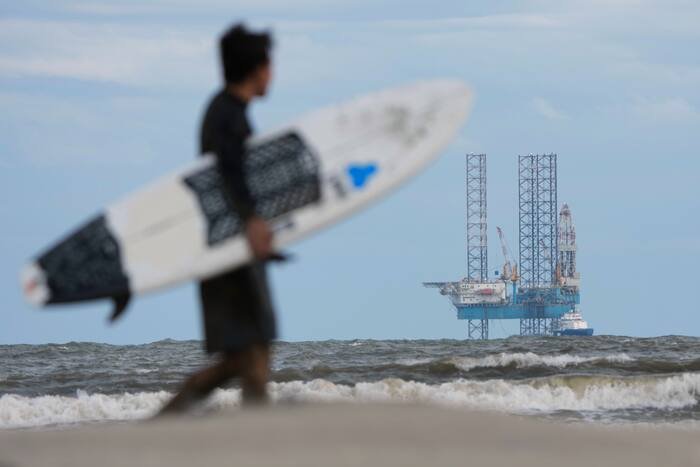







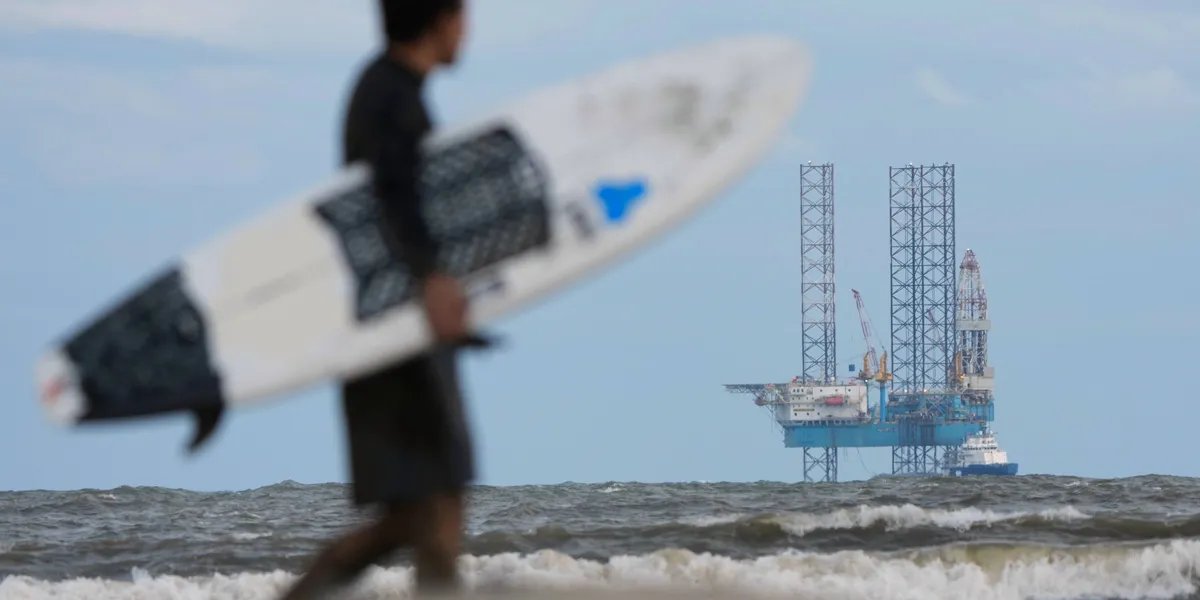
Australia has officially cleared the way for a massive seabed carbon storage project off its northern coastline, igniting a fierce debate over the future of climate technology. The proposal, spearheaded by Japanese energy giant Inpex, aims to bury up to 443 million metric tons of carbon dioxide beneath the Timor Sea. While government officials hail the initiative as a crucial step toward decarbonization, climate scientists and environmental advocates warn that the project may prioritize industrial convenience over genuine environmental protection.
## A Controversial Climate Strategy
Carbon capture and storage (CCS) involves intercepting CO2 emissions at their source, transporting them, and pumping them into deep geological formations. Proponents, including industry leaders like Exxon Mobil and Shell, argue that CCS is a necessary bridge technology for heavy industries—such as steel, cement, and maritime shipping—that are notoriously difficult to transition to renewable energy.
However, the efficacy of CCS remains a subject of intense scrutiny in the global climate community. The International Energy Agency (IEA) has factored CCS into its net-zero emissions projections, though it expects the technology to contribute less than 5% of total emission reductions by 2050. Critics argue that the technology acts as a “get-out-of-jail-free card” for fossil fuel companies, allowing them to justify continued extraction rather than committing to a rapid phase-out. This skepticism is often mirrored in tech circles, where analysts caution against relying on unproven or inefficient “techno-fixes” to solve systemic climate challenges.
## Environmental Risks in the Timor Sea
The Australian government views the project as a victory for its net-zero ambitions. Resources Minister Madeleine King stated that the site designation demonstrates a firm commitment to supporting emerging technologies. Yet, the proposal faces significant pushback from conservationists who fear the project will cause irreversible damage to fragile marine ecosystems.
The project site, designated to hold CO2 in a deep saline aquifer known as West Peron, overlaps with habitats for protected species, including turtles, dugongs, and various seabirds. Chelsea Deng, a campaigner for the Australian Marine Conservation Society, pointed out that the physical requirements of the project—dredging, drilling, and seismic surveys—pose a persistent threat to biodiversity. “There’s a lot of underwater noise,” Deng explained, noting that the constant monitoring required to track CO2 plumes could disrupt marine life for decades. For environmentalists, the project is a form of “greenwashing” that undermines the urgent need to stop burning fossil fuels entirely.
## Japan’s Reliance on CCS
For Japan, the project is not merely an experiment but a fundamental pillar of its national energy security. As one of the world’s most carbon-intensive economies, Japan is racing to meet ambitious reduction targets of 60% by 2035. The government has labeled CCS “indispensable” for sectors where electrification or hydrogen alternatives remain unfeasible.
Inpex plans to use the site primarily to store emissions from its Ichthys liquefied natural gas facility, which serves the Japanese market. Beyond the Timor Sea project, Japanese firms are actively experimenting with other CCS initiatives, including offshore projects near Chiba and potential carbon-shipping partnerships with Malaysia.
As these initiatives scale, the global narrative around CCS remains fractured. While governments and energy corporations leverage the technology to balance economic growth with climate goals, the broader tech and science sectors are increasingly pushing for transparency. Whether this high-tech approach to sequestration serves as a legitimate tool for the climate or merely a prolongation of the fossil fuel era remains the defining question of the next generation of climate policy.
Disclaimer: This content is auto-generated for informational purposes only.
Source: Read Original News