







PRETORIA – The Electoral Commission of South Africa (IEC) has officially commenced the release of results for the 2026 Local Government Elections, marking the start of a nervous wait for political parties across the country. As the first batches of ballots from rural voting districts and special votes began reflecting on the national results dashboard, early figures have already begun to paint a picture of a tightly contested landscape.
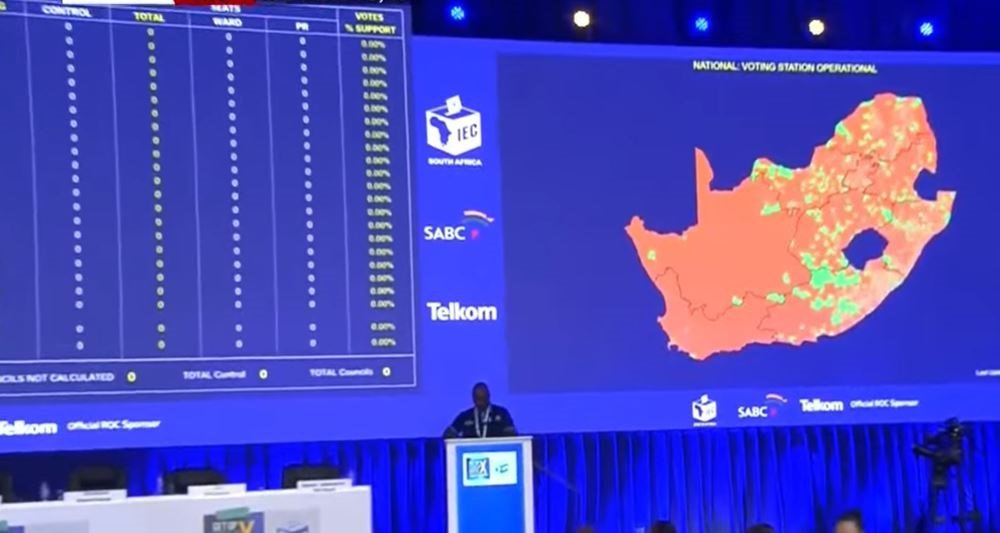
The IEC chairperson addressed a packed media briefing at the National Results Operations Centre (ROC) in Pretoria shortly after midnight, confirming that vote counting and verification processes were proceeding smoothly despite high voter turnout in several key metropolitan areas. According to the commission, the initial data reflects strong participation in Gauteng, KwaZulu-Natal, and the Western Cape, where political stakes are exceptionally high for both established parties and independent candidates.
“We are currently processing the results from the smaller voting districts, which historically provide the first snapshot of voter sentiment,” the chairperson stated. “While it is far too early to declare trends, the audit trail and verification procedures are functioning as intended to ensure the integrity of every vote cast.”
As the digital dashboard flickers with incoming data, early trends suggest a significant shift in some traditional strongholds. Independent candidates, who are participating in municipal elections in record numbers this year, are already securing early leads in several local wards, signaling a potential move toward more fragmented councils. Meanwhile, the major political parties—the African National Congress (ANC), the Democratic Alliance (DA), and the uMkhonto weSizwe (MK) Party—are closely monitoring the screen, with party agents already flagging specific contested districts for potential recount requests, a standard procedure in such high-stakes environments.
In major metros, the race remains largely too close to call. Election analysts suggest that the final outcome will likely rest on the high-density urban wards, where the counting process is naturally more complex and time-consuming. The IEC has urged patience, emphasizing that the focus remains on accuracy rather than speed as they work to finalize the tallies from the 23,000 voting stations nationwide.
Logistical teams are working around the clock to transport ballot boxes from remote areas to regional collation centers, with the commission promising hourly updates as the data stream stabilizes. Security remains a top priority at the ROC, with a heavy presence of law enforcement ensuring that the process remains transparent and free from intimidation.
As the sun rises over the capital, the nation waits to see how the political map will be redrawn. With final results expected to roll in over the next 48 to 72 hours, the 2026 elections are shaping up to be a defining moment for the future of South Africa’s local governance, potentially ushering in an era of unprecedented coalition negotiations.
Disclaimer: This content is auto-generated for informational purposes only.
Source: Read Original News