








Chaos unfolded on the pitches of Minas Gerais this past Sunday as an under-20s semifinal match between Mamoré and Uberlândia descended into an unprecedented display of professional misconduct, resulting in a staggering 53 red cards. What was meant to be a showcase of emerging youth talent instead etched its name into the annals of football history for all the wrong reasons, shattering the previous world record for the highest number of dismissals in a single game by a wide margin.
The incident, which saw the match abandoned after a 40-minute standoff, serves as a grim reminder of the volatility that can grip a game when tensions boil over. As football governing bodies in Brazil begin their investigation into the skirmish, the sporting world is left to grapple with the sheer scale of the disciplinary catastrophe.
The Spark That Ignited the Fire
The fixture, held in the regional landscape of Minas Gerais, had been proceeding with high stakes, as is typical for a tournament semifinal. Mamoré held a commanding 3-1 lead in the second half when the match suddenly pivoted from a tactical contest to a chaotic battlefield.
According to the official referee report filed by Fernando Patrick Drosghic Modesto, the trouble began following Mamoré’s third goal. Davi, a Mamoré player, allegedly celebrated by taunting the Uberlândia bench—a move that triggered an immediate, visceral reaction. Uberlândia’s goalkeeping coach, Paulo Sérgio Dias Dos Santos, reportedly stormed onto the pitch to confront the player. What began as a verbal altercation between the two quickly spiraled into a mass brawl, with players, substitutes, and coaching staff from both sides flooding the pitch in a sprawling, violent confrontation.
Discipline on an Unprecedented Scale
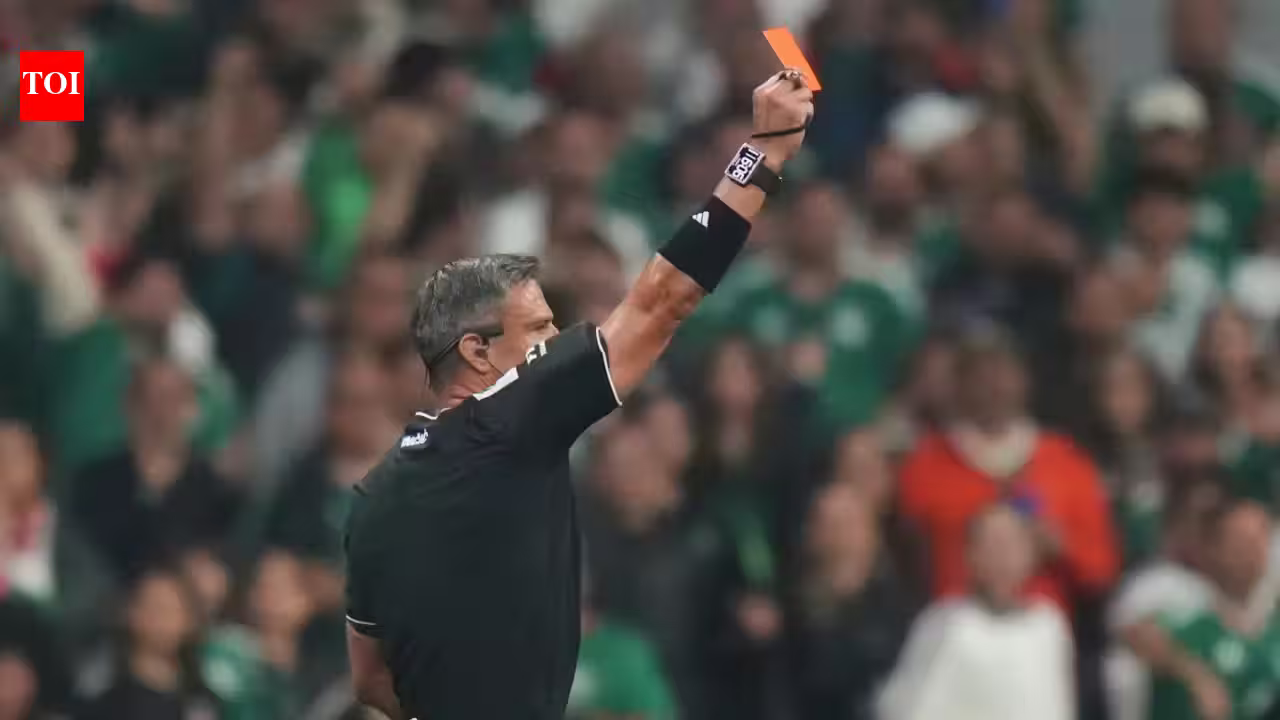
As the referee attempted to regain control, the situation proved too volatile to settle. In an exhaustive post-match filing, Drosghic Modesto detailed the disciplinary measures he was forced to impose. The tally of 53 red cards was reached through a combination of on-field combatants and technical staff.
The official report confirms that 40 players were sent off, alongside eight members of the coaching and support staff. When combined with three players who had already been dismissed earlier in the match for separate infractions and two Uberlândia board members who were given their marching orders during the chaos, the final count reached 53. This figure obliterates the previous Guinness World Record of 36 red cards, a benchmark set in February 2011 during an Argentinian fifth-division clash between Atlético Claypole and Victoriano Arenas.
Threats and Allegations of Vandalism
The referee’s account of the afternoon paints a disturbing picture of the environment he faced while attempting to officiate the match. Beyond the physical brawl, Drosghic Modesto alleged that he was on the receiving end of death threats and various forms of intimidation from those involved in the altercation. The severity of these threats forced the filing of a formal police report, elevating the matter from a sporting disciplinary issue to a potential legal concern.
The hostility did not remain confined to the grass of the pitch. Reports emerging in the wake of the abandonment suggest a broader pattern of destruction surrounding the event. Accusations have been leveled against Uberlândia officials regarding the deliberate damaging of Mamoré’s equipment, while members of the Mamoré squad have faced counter-allegations of vandalizing the home dressing room.
The match was officially abandoned after 40 minutes of attempted mediation proved futile. It became clear to all parties present that the integrity of the game had been compromised beyond repair, and the safety of the match officials and players could no longer be guaranteed.
Reflecting on a Dark Chapter
The local football community is now left to pick up the pieces of an event that has brought negative international attention to the youth circuit in Brazil. While the sheer absurdity of the “53 red cards” statistic has garnered global headlines, the implications for the clubs involved are dire.
Disciplinary committees are expected to levy significant fines, long-term bans for staff, and potentially forced forfeitures of the match, or even the expulsion of the involved clubs from future tournament play. The incident underscores a critical need for better emotional regulation and bench management, even at the youth level.
As investigations continue, the record-breaking brawl in Minas Gerais stands as a cautionary tale of how quickly a sporting contest can descend into lawlessness. For now, the Guinness World Records officials have a new, albeit unwanted, entry to process—a game that will be remembered not for the talent on display, but for the collective failure of discipline that led to the most red cards ever issued in a single 90-minute encounter.
Disclaimer: This content is auto-generated for informational purposes only.
Source: Read Original News