









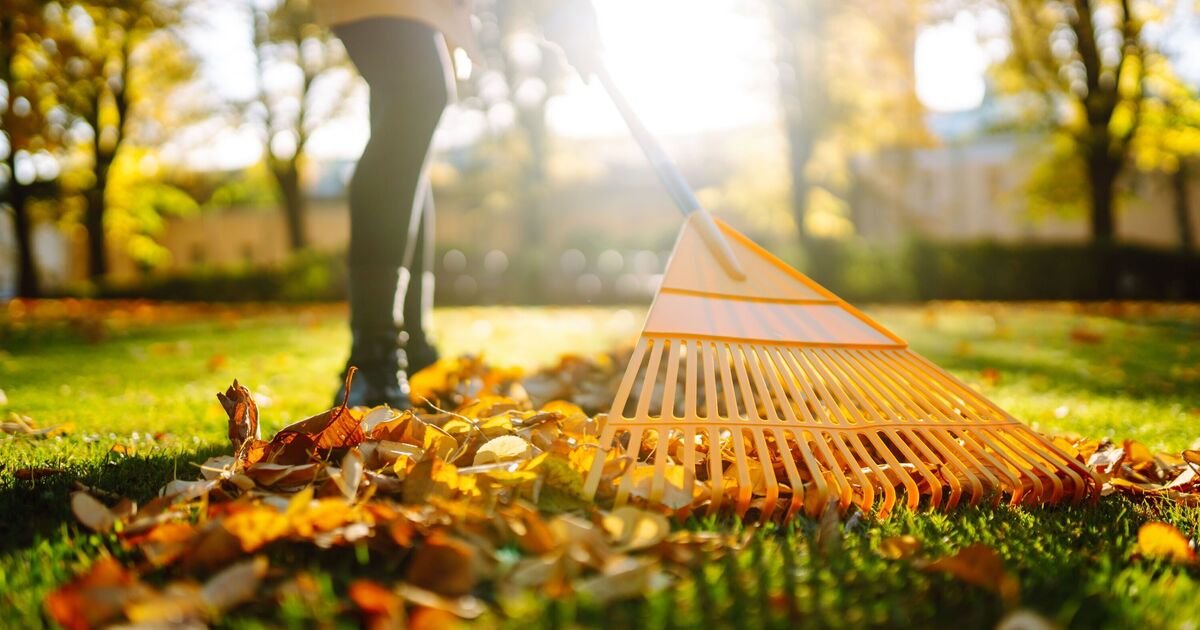
When the crisp November air settles in and the trees shed their colorful coats, it is tempting to view those piles of fallen leaves as a chore. Most of us reach for the rake, fill up large garden bags, and haul them off to the curb without a second thought. But before you start clearing your walkways, take a step back. Those leaves are actually a gardening goldmine waiting to be put to work.
Stop Tossing Your Garden Gold
Gardening experts often highlight that fallen leaves are packed with essential nutrients that can transform your soil. Instead of buying expensive bags of mulch or fertilizer, you can simply repurpose what nature has already provided. These leaves act as a thermal blanket for your garden beds, regulating temperature and protecting your plants from the biting frost.
By placing a layer of leaves at the base of your plants, you create a natural barrier. This layer serves several purposes at once: it keeps the soil temperature stable, holds onto moisture during dry spells, and prevents the ground from becoming waterlogged during the rainy weeks ahead. Think of it as a protective cover that keeps your garden healthy while you relax indoors. As the leaves break down over time, they naturally feed the soil, enriching it for the next growing season.
Protecting Your Potted Plants
If you have a collection of planters on your patio or balcony, leaves are a secret weapon for container gardening. Filling the bottom of a large pot with leaves before adding your potting mix is a brilliant way to save money. You will use significantly less compost, yet your plants will still receive the nourishment they need as the organic matter decomposes.
This trick is particularly helpful for deep planters that require a large amount of soil. By using leaves as a base layer, you fill the space effectively while building a nutrient-rich foundation. It is a simple, cost-effective method to ensure your container garden thrives despite the changing weather.
Knowing Where to Draw the Line
While leaves are fantastic for your flower beds and shrubs, there is one place they should not stay: your lawn. If you leave a thick blanket of leaves sitting on the grass, you might find yourself dealing with brown, patchy spots once spring arrives.
Grass needs sunlight and air to survive, even in the colder months. A heavy covering of leaves blocks sunlight, traps excess moisture, and prevents proper airflow. This creates a perfect setup for fungal growth and suffocation of the grass blades. To keep your lawn healthy, keep the grass clear, but move those raked leaves directly to your garden borders, under trees, or into your planters. Your lawn will stay green, and your other plants will thank you for the extra attention.
Get Creative with Compost and Mulch
Beyond simply placing them on the soil, there are many ways to manage leaf fall. If you have an abundance, consider shredding them and placing them in a wire cage or a ventilated bag. Over time, these will transform into “leaf mould,” a dark, crumbly material that is highly prized by gardeners for its ability to improve soil structure.
Alternatively, you can add them to your existing compost pile to speed up the decomposition process. If you want to get really experimental, try soaking a batch of shredded leaves in a bucket of water for a few days to create a natural, DIY liquid plant feed. It is a low-effort way to boost your garden health using materials you already have.
Changing your perspective on autumn cleanup can save you a significant amount of money and effort. Next time you see a pile of leaves, remember that you are looking at a valuable resource rather than just garden waste. Embrace the season, put those leaves to work, and enjoy a flourishing garden that is prepared for whatever the weather brings.
Disclaimer: This content is auto-generated for informational purposes only.
Source: Read Original News