



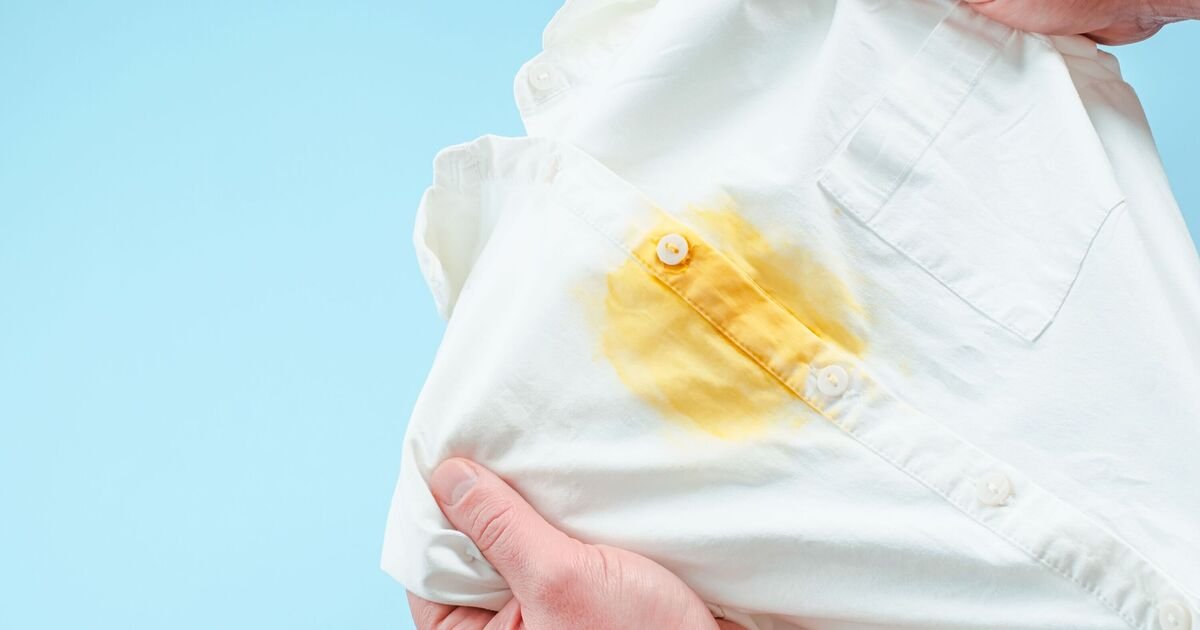
We have all been there: you are enjoying a delicious meal, perhaps a slice of pizza or a crisp salad with a rich dressing, and suddenly a rogue drop of grease lands right on your favorite shirt. It feels like a small tragedy, especially if you have had that piece of clothing for years. While the temptation to immediately throw it into the washing machine is strong, doing so might actually seal that stain into the fabric forever.
Grease is notoriously difficult to remove because it repels water. When you throw a greasy garment into a standard wash cycle, the water and detergent struggle to penetrate the oily barrier. Instead, the grease clings to the fibers, often leaving a permanent shadow or a yellowish tint. To save your wardrobe, you need to change your approach. A clever cleaning method recently shared by culinary expert Chef Fatty offers a simple, highly effective way to lift those stubborn spots using household staples.
The Magic of the Super Paste
The secret weapon for grease removal is a homemade mixture that breaks down oil while pulling discoloration out of the fabric. The “super paste” requires just three ingredients: washing soda, hydrogen peroxide, and standard liquid dish soap.
To create the mixture, combine one part washing soda with one part hydrogen peroxide and add a few drops of dish soap. Stir it until it forms a consistent paste. The dish soap is crucial here because its primary function in your kitchen is to cut through grease on plates and pans; it does the exact same thing for your clothing. The washing soda acts as an absorbent, pulling the oil out of the fibers, while the hydrogen peroxide provides a gentle brightening boost.
DIY Washing Soda Hacks
If your pantry is lacking washing soda, you do not need to head to the store. You can easily make it at home using common baking soda. Spread a layer of baking soda onto a baking sheet and pop it into the oven at 180 degrees Celsius for 30 minutes.
This process, known as calcination, triggers a chemical reaction that removes water molecules and carbon dioxide. The result is a much more alkaline substance that is far superior to regular baking soda when it comes to cutting through grime and softening hard water. Once the powder has cooled, store it in a container, and you have a supply ready for your next laundry emergency.
Tailoring the Method for Colors
While the hydrogen peroxide mixture is excellent for restoring bright, crisp whites, it comes with a warning for your colorful garments. Because hydrogen peroxide acts as a natural bleaching agent, using it on vibrant fabrics can cause them to fade or lose their hue.
For your colored clothing, the process remains largely the same, but with one vital modification: substitute the hydrogen peroxide with plain water. This adjustment ensures that you still get the degreasing power of the washing soda and dish soap without the risk of affecting the dyes in your fabric. The paste will work just as effectively to lift the oil without compromising the look of your favorite sweater or trousers.
The Final Step for Success
Once you have prepared the appropriate version of the paste, apply it directly to the affected area. Gently rub it into the fabric to ensure it penetrates the fibers and then walk away. Let the mixture sit for about 15 minutes. This waiting period allows the ingredients to break down the bond between the oil and the clothing material.
After the time is up, wash the garment on a high temperature setting as recommended by the clothing label. The combination of the pre-treatment and the high heat will lift the residue away, leaving your clothes looking as good as new. By keeping this simple trick in your back pocket, you can stop worrying about accidental spills and start enjoying your meals with peace of mind. Taking that extra few minutes to treat the fabric properly means you won’t have to part ways with your favorite items anytime soon.
Disclaimer: This content is auto-generated for informational purposes only.
Source: Read Original News