



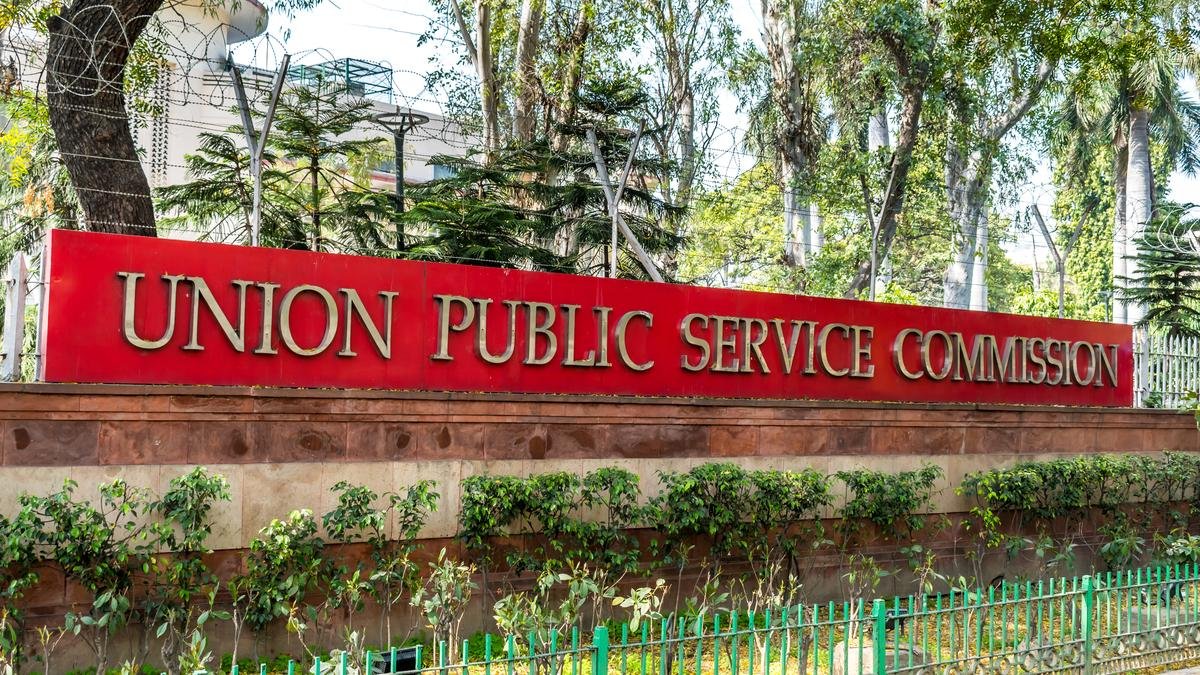
The Union Public Service Commission (UPSC) officially declared the results of the Civil Services (Main) Examination 2026 on November 5, 2026. This milestone marks the transition of successful candidates from the grueling written phase to the final stage of the selection process: the personality test. As the nation’s premier recruitment body, the UPSC continues to facilitate one of the most rigorous and competitive examination systems in the world, designed to identify the next generation of leaders for the Indian Administrative Service (IAS), Indian Foreign Service (IFS), and Indian Police Service (IPS).
Understanding the UPSC Examination Structure
The Civil Services Examination (CSE) is a three-tiered systemic evaluation process. The first stage, the Preliminary Examination, acts as a screening test to filter candidates for the Main examination. The Main examination, which recently concluded, is a descriptive written assessment that tests a candidate’s depth of knowledge, analytical ability, and grasp of complex socio-political and economic issues.
Candidates who have successfully navigated the Main examination are now eligible to move forward to the interview stage, colloquially known as the personality test. This final leg is not merely an assessment of academic knowledge, but a holistic evaluation of a candidate’s character, mental alertness, leadership potential, and suitability for a career in public service.
The Final Hurdles: Scoring and Merit
The architecture of the final merit list is a testament to the comprehensive nature of the UPSC selection process. The Main examination is valued at 1,750 marks, serving as the foundational score for the candidates. The upcoming personality test carries an additional 275 marks. When combined, these scores determine the final ranking.
Because the interview component can significantly alter a candidate’s standing, it serves as a critical bridge between theoretical aptitude and practical governance capability. Successful candidates will soon receive e-summon letters via the official UPSC website. In keeping with modern digital governance policies, the Commission has clarified that no physical, paper-based summon letters will be issued, underscoring the shift toward a paperless and efficient administrative framework.
Logistics and Administrative Support
For those preparing for the next phase, the interviews will be held at the historic Dholpur House, located on Shahjahan Road in New Delhi. While the exact schedule for individual candidates will be released in due course, the Commission has established robust support channels to assist those who may face technical difficulties. Candidates unable to access their electronic summon letters are encouraged to contact the UPSC office immediately via the dedicated help desk numbers (011-40303444/24041001) or through their official email portal.
Educational and Mental Health Perspectives
While the release of these results is a moment of professional triumph for many, educational experts and policymakers continue to address the challenges surrounding the UPSC ecosystem. The “long-cycle” nature of the preparation—often spanning multiple years—has recently come under scrutiny regarding its impact on the mental health of aspirants.
Policy discussions have increasingly highlighted the need for aspirants to maintain a balanced approach to learning. The depth of the UPSC syllabus requires significant cognitive endurance, and the transition from the “Main” examination to the interview requires a shift from rote memory and analytical writing to articulate interpersonal communication. As the 2026 cohort prepares for their interviews in New Delhi, the focus remains on selecting individuals who are not only academically proficient but are also equipped with the psychological resilience required for the complexities of modern public administration.
Disclaimer: This content is auto-generated for informational purposes only.
Source: Read Original News