







The Era of Touchscreen Computing on macOS
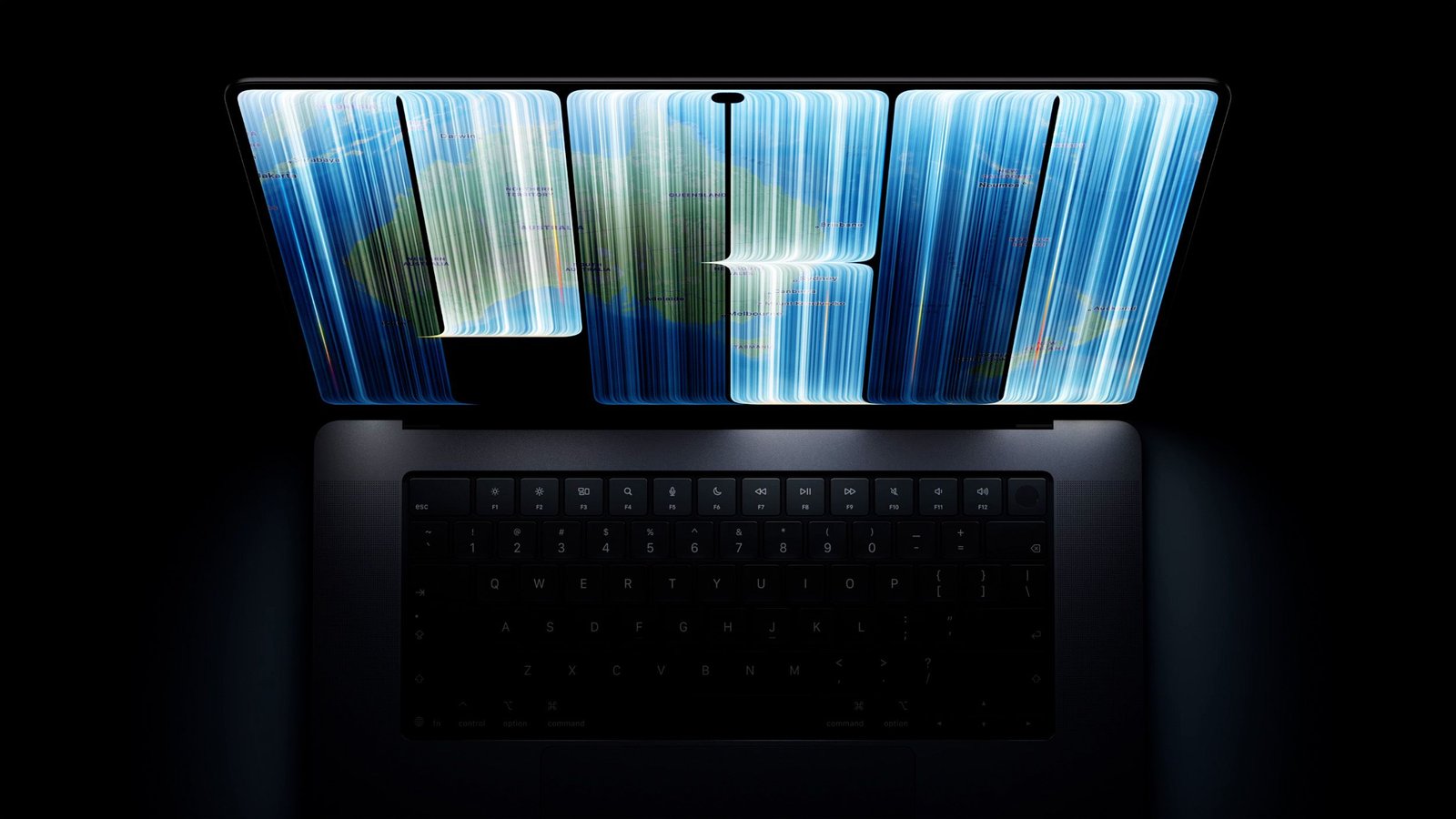
As of Friday, November 6, customers in Australia and New Zealand have begun receiving the latest generation of hardware from Apple, marking a significant milestone in the company’s product history. The arrival of these devices, particularly the PROLED touchscreen MacBook Pro, represents a departure from years of design tradition. For the first time, users can interact with the macOS interface through direct touch, a shift that bridges the gap between traditional laptop utility and the tactile control users have enjoyed on tablets for over a decade.
This transition is powered by the introduction of PROLED display technology. Unlike previous mini-LED iterations, the PROLED panel offers individual pixel-level light control, leading to improved contrast ratios and higher peak brightness. This display is not merely a visual upgrade but a functional one, as it has been specifically engineered to handle the physical pressure and frequency of touch inputs without compromising the structural integrity or color accuracy of the screen.
Refining the MacBook Pro Design Architecture
The hardware updates extend beyond the display panel. The latest MacBook Pro models, equipped with either the M5 Pro or M5 Max silicon, feature a redesigned chassis that is notably thinner and lighter than previous versions. By transitioning to PROLED, engineers were able to eliminate the thick backlight layers required by earlier screen technologies, allowing for a more compact internal configuration.
Aesthetically, the device sees the return of the glowing Apple logo, a classic design element that has been absent from the lineup for several years. Perhaps more significantly, the display notch has been replaced by the Dynamic Island. This adaptation brings the fluid, contextual interface found on mobile devices to the macOS desktop, providing a persistent space for system alerts, media playback controls, and background tasks. These machines start at $2,899 for the 14-inch model and $3,399 for the 16-inch variant, reflecting the engineering investment required for these structural changes.
Advancements in the OLED iPad Mini
The updated iPad mini introduces high-end display technology to a more compact form factor. This marks the first time an iPad of this size has featured an OLED screen, which provides deeper blacks and more vibrant color reproduction than the liquid crystal displays used in older models. The device is notably thinner, shaving nearly a millimeter off the profile of its predecessor.
One of the most impressive technical implementations in this device is the Acoustic Display. By removing the traditional speaker grilles and relying on surface vibration technology, Apple has created a completely sealed enclosure. This design choice grants the iPad mini an IP67 rating, making it the first device in its category to offer verified water and dust resistance. Under the hood, the A20 Pro chip provides the necessary processing power to handle demanding tasks, justifying the entry-level price point of $699. This convergence of durability, performance, and display technology positions the iPad mini as a professional-grade tool in a portable size.
Performance Iterations in the M6 Lineup
While the flagship models received major hardware reworks, the entry-level MacBook Pro and the 24-inch iMac have received updates focused on internal efficiency. Both lines are now powered by the M6 chip, representing the latest generation of the company’s custom silicon architecture. These updates focus on incremental gains in thermal management and power efficiency rather than radical form factor changes.
The 14-inch MacBook Pro entry model, starting at $1,999, remains a vital part of the professional ecosystem for those who do not require the specific features of the PROLED line. Similarly, the $1,499 24-inch iMac continues to serve as the core desktop offering. By keeping the M6 chip as the centerpiece of these updates, Apple ensures that even its baseline hardware remains capable of handling modern creative software and complex multitasking workflows for years to come.
Global Rollout and Consumer Availability
The release follows a phased geographic approach, beginning in Australia and New Zealand. As these regions are the first to experience the devices in person, the initial feedback gathered from retail stores and early adopters serves as a litmus test for the new touch-enabled interface and the reliability of the new PROLED panels.
Following the initial release in these countries, the rollout will move through Asia, the Middle East, and Europe before reaching the North American market. Prospective buyers should be aware that inventory for the PROLED MacBook Pro is expected to be constrained, with online shipping dates already pushed to late November or early December in many regions. In contrast, the OLED iPad mini and the M6-powered entry-level machines are reported to have more stable supply chains at launch. As these devices enter the hands of a broader user base, the industry will gain a clearer understanding of how the integration of touch controls into the desktop environment influences productivity and software design in the long term.
Disclaimer: This content is auto-generated for informational purposes only.
Source: Read Original News