






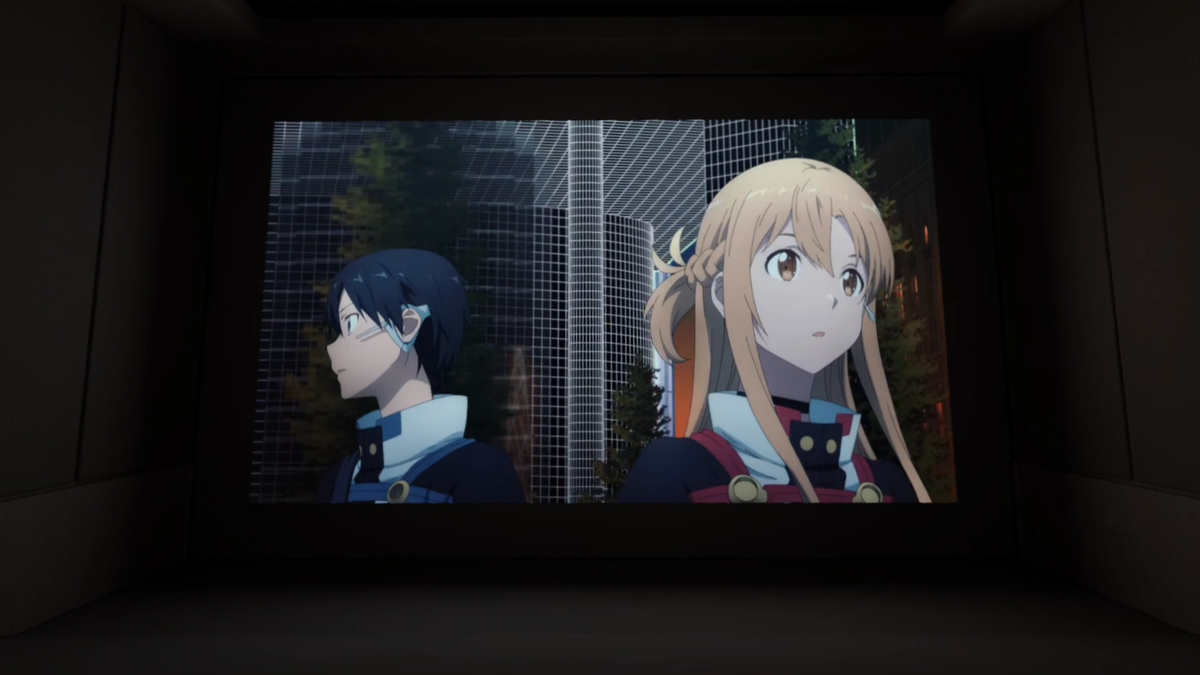
Meta’s latest system software update, Horizon OS 2.10 (v210), is currently rolling out to users enrolled in the Public Test Channel (PTC). This update introduces a significant overhaul of the platform’s interface and introduces a dedicated “Theater” environment designed to enhance the media-consumption experience.
The most notable addition is the Theater environment. Unlike standard virtual home spaces, this feature is triggered directly from the Control Bar of active windowed applications. Users can toggle this view to place their media content—including apps like the system Media Player, YouTube, Disney+, and Amazon Prime Video—into a large, high-resolution virtual cinema. The space currently features real-time dynamic lighting that reacts to the content on screen, though reports suggest that the “Dynamic Ambiance” hue-backlight features previously rumored for the project have not yet been implemented.
Beyond the cinema environment, the update brings a “Simplified Navigator,” a major redesign of the Quest system launcher. This change, which aligns with interface previews shown during the September 2026 Meta VR Glasses reveal, streamlines the user experience by reducing the navigation menu to three primary tabs: Search, Library, and Notifications. The update removes several redundant buttons for Quick Controls and environment management, relocating these functions to the status bar and a new, more intuitive grid-based layout.
While the new Navigator offers a cleaner look, it does introduce a functional regression: the library no longer allows users to filter by “installed” applications. As a result, users are currently presented with their full content catalog, including uninstalled titles. However, Meta has mitigated this with a new List View that retains legacy filter options. Additionally, the update improves the user experience during immersive sessions by adding a prominent quit-button bubble, addressing long-standing user complaints about exiting applications.
Horizon OS 2.10 also brings functional refinements to window management. Users will notice smoother scaling for apps with locked aspect ratios, such as YouTube, which now transitions between sizes with fewer visual hitches.
Communication features have also received an update, with the integration of avatar-based video calling within the native Chats app. This move appears to be a strategic step toward the more advanced “Hologram” calling features expected for Meta’s upcoming VR hardware. By incorporating this functionality, Meta is standardizing the use of digital avatars as virtual webcams across its ecosystem.
The update also includes some ambiguous changes regarding hardware compatibility. The system-level toggle for external microphones, previously located in the experimental settings, has been removed. While preliminary testing confirms that external USB-C microphones remain functional, the removal of the toggle leaves the long-term status of this feature uncertain.
Finally, Meta has bolstered the operating system’s security posture. Horizon OS 2.10 includes enhanced verification protocols for website authenticity, further strengthening the protection against malicious online services. As the rollout continues, users should expect further refinements to these systems as Meta prepares for the broader consumer launch of its next generation of VR glasses.
Disclaimer: This content is auto-generated for informational purposes only.
Source: Read Original News