







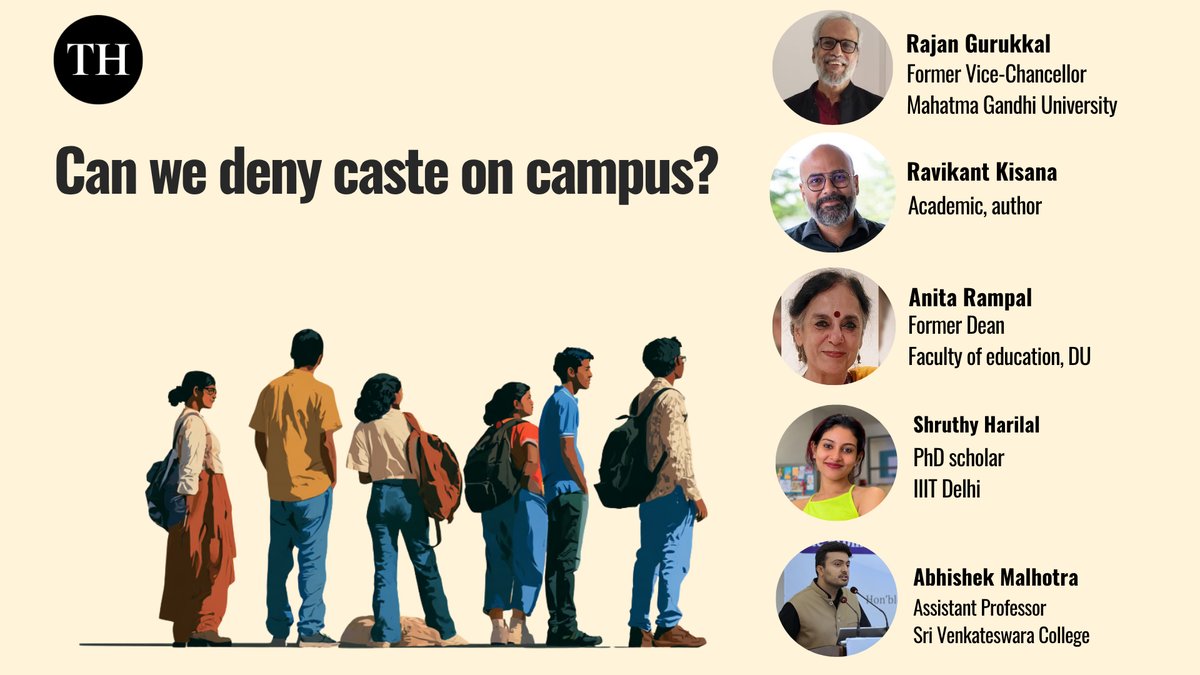
The landscape of Indian higher education is currently facing a profound moral and structural reckoning. While elite institutions—from the Indian Institutes of Technology (IITs) to premier central universities—are celebrated as engines of national growth and technological advancement, a growing body of evidence suggests they are simultaneously sites of systemic exclusion. Recent discourse, sparked by high-profile instances of student attrition and institutional failure, has brought the issue of caste discrimination from the periphery of administrative concern to the center of educational policy.
The “Merit” Myth and Structural Barriers
Central to the crisis in higher education is the rigid interpretation of “merit.” In many academic circles, merit is frequently conflated with standardized test scores, ignoring the disparate socio-economic realities and the generational lack of cultural capital faced by students from Scheduled Castes (SC), Scheduled Tribes (ST), and Other Backward Classes (OBC).
When institutions operate on the premise that the playing field is inherently level, they fail to provide the scaffolding necessary for students from marginalized backgrounds to thrive. This leads to an “academic chilling effect,” where students are not merely competing against peers, but against a curriculum and pedagogical style that often alienates their lived experiences. The reliance on high-stakes, competitive testing as the sole arbiter of potential often exacerbates this, creating a pressure-cooker environment that disproportionately impacts those already navigating the psychological toll of caste-based social isolation.
Institutional Failure and the Need for Accountability
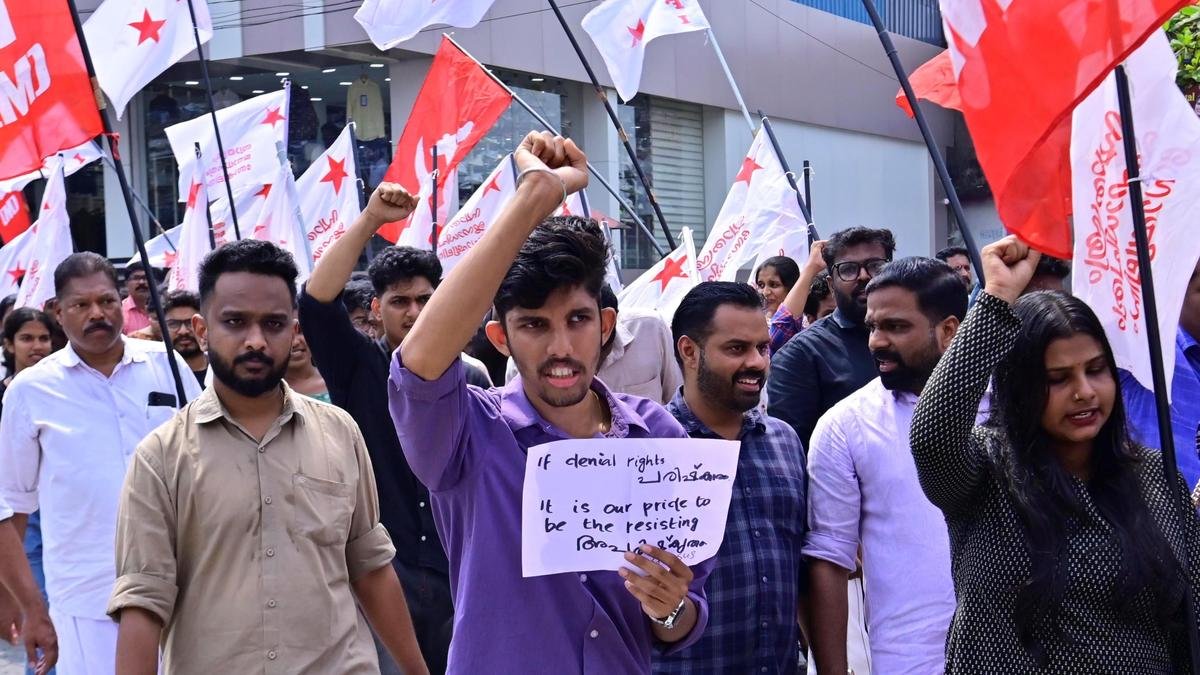
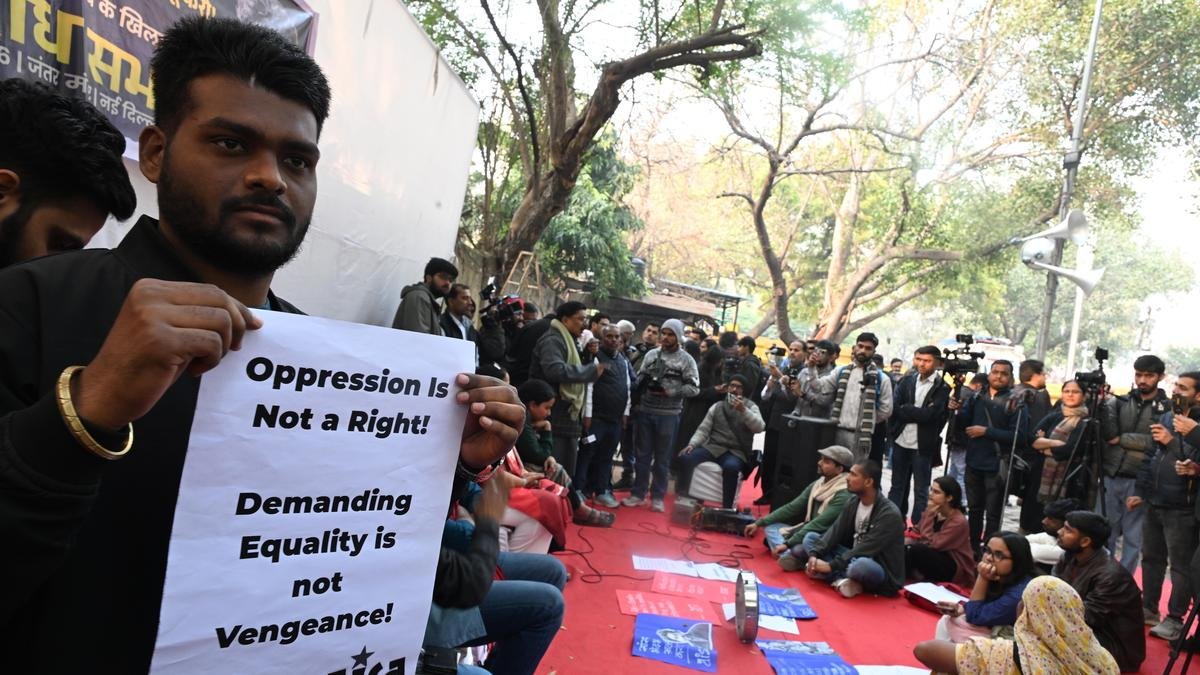
The recent rise in reports regarding student deaths—often labeled as suicides—within prestigious campuses has triggered a demand for more than just internal reviews. Advocates and student unions are increasingly calling for independent, external inquiries into these tragedies. The argument is that internal committees, often composed of faculty and administrators who have presided over these environments, are prone to conflict of interest and institutional self-preservation.
True accountability requires a transparent look at how institutional culture fosters, or at least tolerates, discriminatory behaviors. When complaints of harassment or discrimination go unaddressed, they signal to the student body that the institution prioritizes its brand reputation over the safety and dignity of its learners. Policy interventions must include the mandatory formation of independent grievance redressal committees that possess the authority to bypass internal hierarchy and impose punitive measures on discriminatory practices.
Cultivating an Inclusive Pedagogy
Sensitization, while necessary, is insufficient if it remains a performative exercise. Education policy must pivot toward “inclusive pedagogy,” which acknowledges caste as a living reality rather than a historical footnote. This means integrating diverse perspectives into the curriculum and training faculty to recognize how unconscious bias manifests in classroom interactions, grading, and mentorship.
Mentorship is a critical pillar that is currently failing. For many marginalized students, the “mentor-mentee” relationship—which is the bedrock of academic success in research and professional development—is often fraught with caste-based gatekeeping. Institutions need to formalize mentorship programs that ensure equitable access to research opportunities and internships, preventing the “hidden curriculum” where networks of power determine who succeeds and who is pushed out.
A New Framework for Policy Reform
For Indian higher education to live up to its constitutional mandate of equality, policy must evolve from mere access to meaningful participation. This involves:
- Independent Oversight: Establishing permanent, external ombudsman offices in all centrally funded technical and research institutions to handle complaints of caste-based harassment.
- Mental Health Infrastructure: Moving beyond generic counseling to culturally competent mental health support that understands the specific triggers associated with identity-based discrimination.
- Data Transparency: Institutions must be required to publish annual reports on student retention, dropout rates, and placement success disaggregated by social category, ensuring that disparities are no longer hidden by aggregate data.
The goal is not to lower standards, but to expand the definition of excellence to include inclusivity. An educational system that thrives on the exclusion or systematic failure of any group cannot truly claim to be a producer of national progress. By prioritizing the human dignity of every student, Indian higher education can finally move toward a model of equity that matches its global aspirations.
Disclaimer: This content is auto-generated for informational purposes only.
Source: Read Original News