









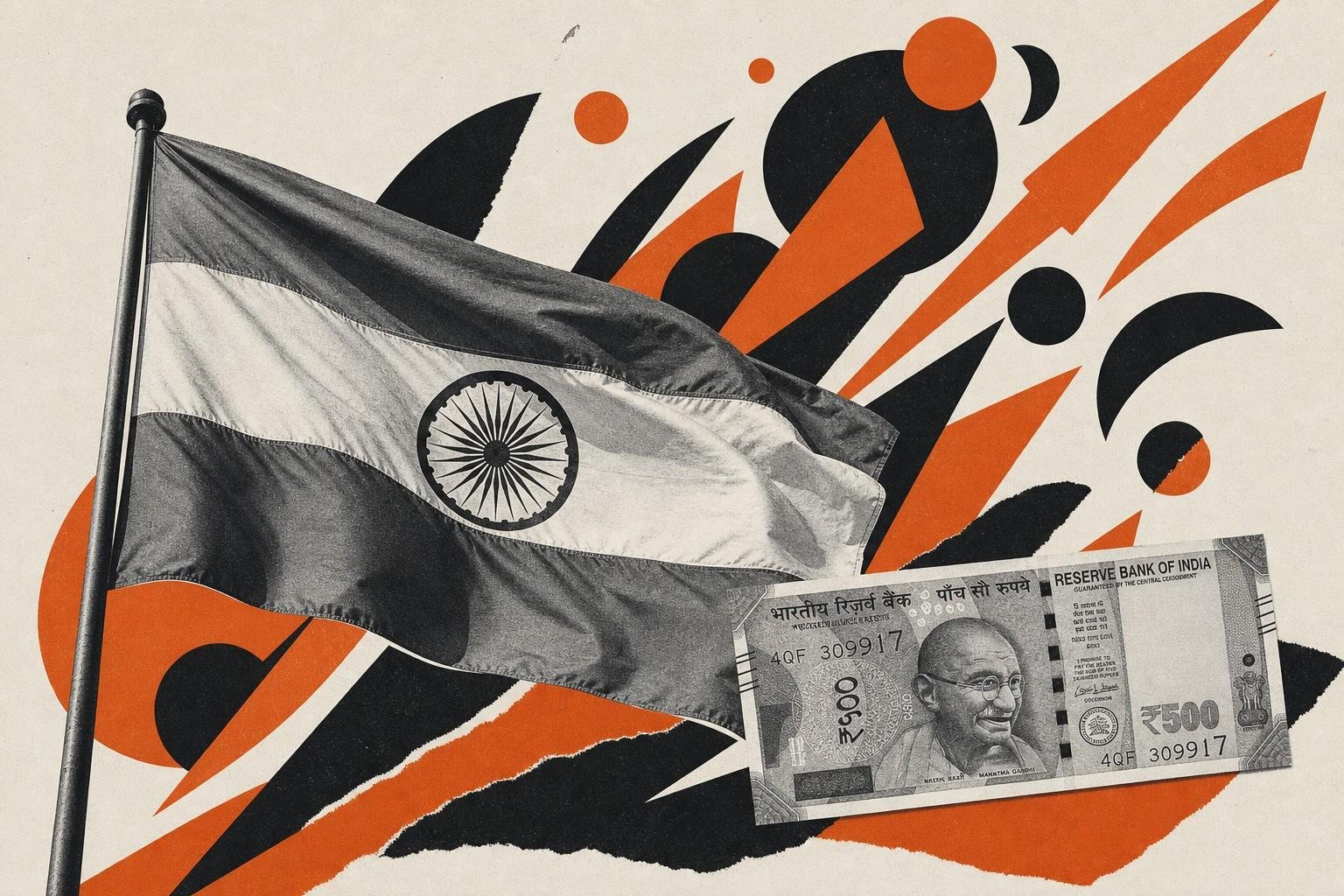
India’s Growth Trajectory: BNP Paribas Warns Structural Hurdles Could Stifle Long-Term Potential
India stands at a pivotal juncture in its economic evolution. As the global financial community recalibrates its expectations, international institutions like the International Monetary Fund (IMF) have signaled optimism, recently upgrading India’s growth forecast to 6.8% per annum. Yet, a nuanced analysis released by BNP Paribas suggests that while the medium-term outlook remains favourable, the path to becoming a high-income, inclusive economy is paved with significant structural obstacles that require urgent attention.
The Growth Paradox: Promise vs. Performance
The IMF’s upward revision underscores India’s resilience in a volatile global landscape. Strong domestic demand and increased capital expenditure have served as the primary engines of this expansion. However, BNP Paribas argues that headline GDP figures may mask underlying fragilities. The French banking giant highlights that India’s growth is currently hindered by deep-seated systemic inefficiencies.
Among the most pressing issues identified is the size of the middle class, which remains relatively modest compared to the country’s massive population. This limited domestic consumer base, combined with the pervasiveness of the informal economy, restricts the tax base and limits the government’s ability to fund essential public infrastructure. When a significant portion of economic activity operates outside the formal regulatory and tax framework, scaling operations becomes difficult for enterprises, thereby stagnating broad-based prosperity.
Industrial Weakness and Labor Market Rigidities
A cornerstone of the BNP Paribas critique is the country’s underdeveloped industrial base. While India has made strides in services and information technology, its manufacturing sector has yet to achieve the competitive scale seen in other Asian economies. This “missing middle” in industrial output creates a bottleneck for job creation.
Compounding this is the issue of labor market rigidity. Outdated regulatory frameworks and barriers to hiring and firing discourage firms from scaling up operations. Without a more flexible and modernized labor policy, the influx of young workers—often touted as India’s “demographic dividend”—risks becoming a challenge rather than an asset. If these structural constraints are not addressed, the report warns, India may struggle to transition its workforce from low-productivity agricultural roles into high-value manufacturing or service-oriented positions.
The AI Frontier and the Reform Imperative
Perhaps the most critical warning issued by the report involves the technological transition. As the global economy pivots toward artificial intelligence and automation, India’s ability to remain competitive depends on its speed of adaptation. BNP Paribas suggests that the failure to aggressively integrate AI into the industrial and educational frameworks could leave India trapped in a cycle of low-value production.
To bridge this gap, the report advocates for a concerted push in structural reforms. This includes revitalizing land and labor laws, investing heavily in upskilling the workforce for the digital era, and streamlining the business environment to formalize the economy.
“India has the potential to become a global manufacturing and innovation hub, but it cannot rely on inertia,” the report implies. The transition to a more inclusive, high-value economy necessitates a departure from incrementalism. The coming decade will be decisive; without fundamental changes to the industrial landscape and a bolder approach to modernizing the workforce, India may find itself hitting a ceiling that prevents it from reaching its true developmental potential.
As policymakers navigate this landscape, the balance between maintaining current growth momentum and initiating difficult, long-term structural repairs remains the ultimate test for the Indian economy.
Disclaimer: This content is auto-generated for informational purposes only.
Source: Read Original News