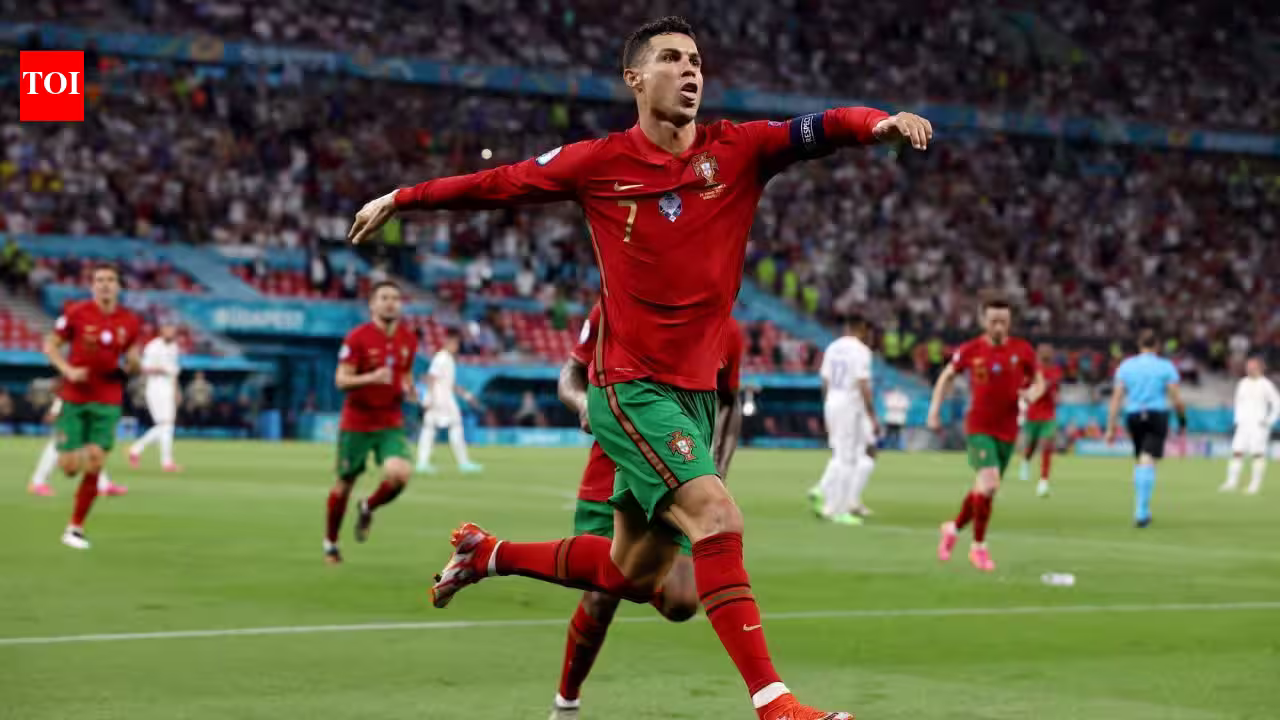




Kylian Mbappe finds himself at the center of a delicate geopolitical storm, as the Real Madrid superstar’s ill-judged remarks regarding a viral internet meme have snowballed into an international diplomatic concern. More than a week after the French captain’s comments about former Chinese leader Mao Zedong surfaced, the fallout continues to reverberate through the highest levels of Chinese administration, casting a shadow over his personal commercial interests and the broadcasting stability of LaLiga.
The situation, which began as a casual discussion on a French football podcast, has escalated into a high-stakes standoff between one of the world’s most marketable athletes and one of the globe’s most influential consumer markets. As of Friday, November 6, Chinese authorities have confirmed they are in active, albeit informal, communication with both Real Madrid and LaLiga to address the perceived affront.
What exactly did Mbappe say about Mao?
The controversy originated from a segment on the French football podcast The Bridge, where Mbappe was shown an image of himself that had been digitally altered to resemble Mao Zedong. The image was part of a recurring internet meme—a satirical commentary on the forward’s perceived influence over his clubs’ hierarchies.
When prompted to discuss the graphic, Mbappe, appearing to struggle with the context of the image, described the individual as “some guy, I think he’s a Chinese dictator.” While he stopped short of naming the founder of the People’s Republic of China, the reference was unmistakably directed at Mao, a figure whose historical legacy is treated with immense reverence and sensitivity within China.
Mao, who led China from 1949 until 1976, remains a polarizing but protected figure in the nation’s political landscape. Any attempt at satire or flippant dismissal of his role in history is often met with swift and severe societal pushback, a reality the Real Madrid striker now understands all too well.
How did Mbappe respond? Real Madrid and LaLiga apologise
The backlash was immediate. Recognizing the severity of the offense, Mbappe issued a formal apology on October 27, releasing statements in French, Mandarin, and English across his social media channels.
“During a recent interview, I reacted to an image of myself. My comment was ill-judged, and I now understand that it hurt many people in China and in Chinese communities around the world,” Mbappe wrote. “I apologise to everyone my words have upset. This was absolutely not my intention.”
In a show of solidarity and damage control, both Real Madrid and LaLiga followed suit, offering their own apologies to the Chinese public. LaLiga, clearly aware of the economic implications, went to great lengths to emphasize that Mbappe’s comments were made in a strictly personal capacity and did not reflect the values or opinions of the league. While China’s Foreign Ministry acknowledged that they were taking the apologies seriously, the diplomatic bridge remains under heavy construction.
Chinese brands drop Mbappe, CCTV suspends LaLiga coverage
The commercial ramifications have been stark. Major Chinese partners, including the Dongpeng Beverage Group, Mengniu Dairy, and Shanghai Milkground Food Tech, terminated their endorsement contracts with Mbappe almost immediately.
The disruption has extended into the broadcast arena, with state-owned broadcaster CCTV suspending its coverage of LaLiga fixtures. Streaming platform Migu, a key broadcasting partner for the league, took the unprecedented step of excluding Real Madrid’s recent match against Racing Santander from its scheduled programming, leaving fans in the dark.
For LaLiga, the financial stakes are significant. Once a lucrative market worth upwards of €100 million annually, current broadcasting rights for the league in China are valued at roughly €10 million per year. With a contract in place until 2030, the league is desperate to stabilize its reputation before further erosion occurs.
Latest update: China says it needs time to digest Mbappe’s apology
As of early November, there is no definitive timeline for a resolution. Yao Jing, China’s ambassador to Spain, confirmed that Beijing is maintaining a channel of communication with Spanish football authorities. Speaking at a forum at the University of Salamanca, Yao remarked that while there are no formal “negotiations,” the ongoing dialogue is built upon a search for “mutual understanding.”
However, Chinese officials have made it clear that a public apology is only the first step. Xie Tianyu, an attaché at the Chinese embassy, noted that the public sentiment in China is not easily assuaged. “There is not enough time; the Chinese people need time to digest this,” Xie stated, emphasizing that for many fans, the brand of Real Madrid—and by extension its players—had been deeply respected until now.
China Media Group has echoed this sentiment, indicating that they are not merely listening to words, but are observing future actions. Until the “air clears,” the blackout on LaLiga broadcasts and the silence from Chinese commercial partners look set to continue, serving as a sobering reminder of the global complexities that accompany modern sporting stardom.
Disclaimer: This content is auto-generated for informational purposes only.
Source: Read Original News