








Digital Surveillance and Public Awareness in Modern Retail
The intersection of everyday retail environments and the rapid expansion of digital documentation tools has created a new paradigm for how public incidents are managed. Recently, an employee at a Costco Wholesale facility utilized basic observational technology and social media connectivity to address an abandoned animal situation. While the setting was a conventional retail warehouse, the response highlighted how individuals now integrate real-time digital communication and situational awareness to navigate unexpected crises.
Modern retail environments are increasingly monitored by complex arrays of sensors and security systems. However, the human element—aided by the ubiquity of smartphone technology—remains the primary driver for handling anomalies that fall outside the parameters of automated retail logistics. In the case of an abandoned cat named Misty, the intervention by staff member Omar Wilson served as a demonstration of how personal technology facilitates rapid decision-making. By leveraging digital platforms to broadcast the situation, staff were able to coordinate with local municipal infrastructure, such as the Animal Care Centers of NYC (NYCACC), far more effectively than traditional methods might allow.
Advancements in Animal Welfare Logistics
The management of domestic animals within urban environments relies heavily on sophisticated logistics networks. When an animal is discovered in a high-traffic area, the protocol involves a seamless transfer from the point of discovery to a professional care facility. Technology plays a quiet but critical role here, as digital databases and public-facing registry systems allow for the rapid identification and intake of animals.
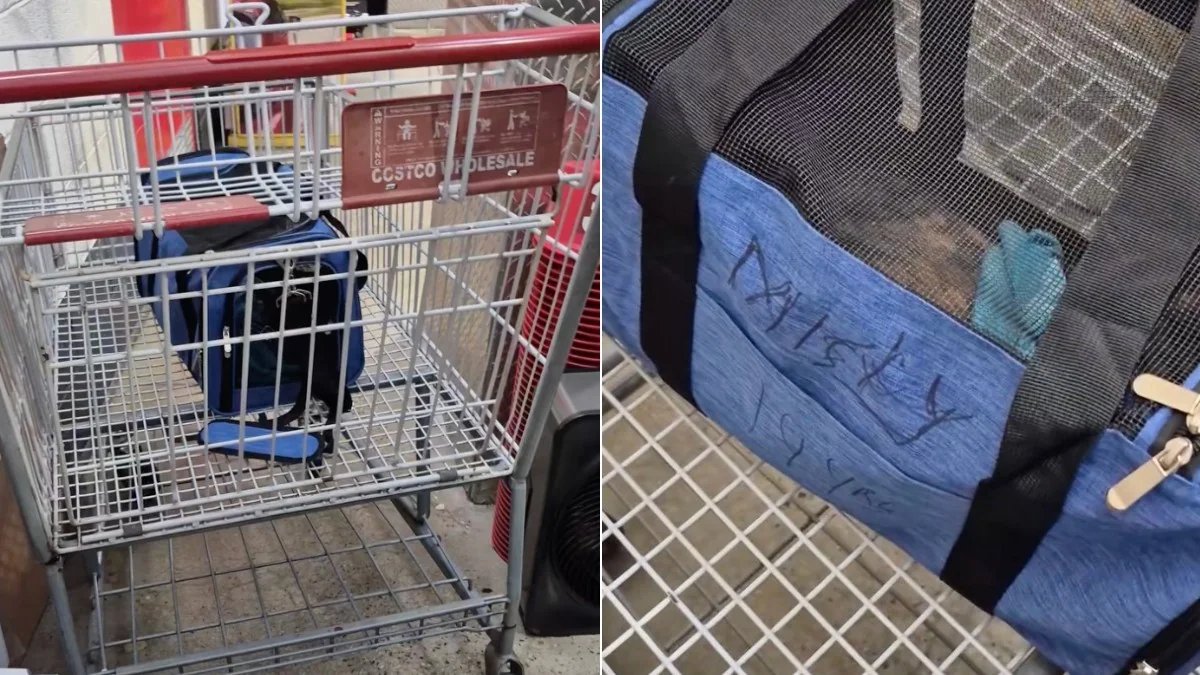
In this instance, the physical containment—a mesh carrier marked with specific historical data—provided the necessary context for rescuers to estimate the age and needs of the animal. The use of permanent ink on synthetic materials serves as an analog, yet highly functional, metadata tagging system. This information is vital for veterinary professionals who must assess the health of an aging animal. The ability to relay this data instantly via mobile image sharing ensures that shelter staff are prepared for incoming patients, thereby reducing the stress associated with the transition process.
Social Media as a Resource Coordination Tool
Social media has evolved beyond its origins as a networking tool, functioning now as a critical infrastructure for disaster and emergency response. By documenting the encounter and sharing it via platforms like Instagram, the employees involved were able to create a digital trail that ensured accountability and transparency. This level of connectivity allows for community mobilization, where coworkers and the public can monitor the welfare of an individual case.
Furthermore, the integration of video sharing provides a visual verification system. For the Animal Care Centers of NYC, this visual evidence serves as a preliminary health diagnostic tool, allowing experts to evaluate the demeanor and condition of the animal before it even reaches the facility. The digital dissemination of this information ensures that when resources are required, there is a ready base of support—whether that be through direct adoption interest from the employees or through broader public donations to the shelter’s operational budget.
Hardware and Human Interaction
The physical response to the situation involved improvised hardware solutions to improve the temporary conditions of the animal. By utilizing foam boards and salvaged plastics, the retail staff adapted the existing infrastructure of a shopping cart to create a controlled environment. This underscores a significant technical principle: the ability to reconfigure standard retail equipment into a temporary shelter mechanism.
The successful stabilization of the animal required a combination of basic resources—such as wet food and litter—and a commitment to monitor the animal’s stress indicators. This process mimics the controlled environments found in professional boarding facilities. The transition from a chaotic retail floor to a stabilized, albeit temporary, containment zone demonstrates how environmental engineering—even on a micro-scale—can significantly impact the physiological stability of a living creature.
Future Implications for Urban Pet Care
As urban density increases, the risk of abandoned animals in public spaces remains a technical and logistical challenge. The reliance on ad-hoc responses by retail workers suggests that there is a need for better-integrated communication protocols between private corporations and public animal control entities. Future improvements could include the implementation of standardized digital reporting forms for non-emergency animal encounters, allowing for faster dispatch and more accurate data collection.
While technology provided the medium for communication and the documentation necessary for Misty’s rescue, the underlying success of the operation relied on the intersection of human empathy and existing digital networks. As these infrastructures continue to modernize, the focus will likely shift toward more robust, automated systems that integrate animal identification tags, location services, and real-time shelter capacity data. Until then, the model established by this event serves as a template for how workers can employ existing technology to manage complex social and logistical challenges within the retail space. The ongoing recovery of the animal at the municipal center provides a benchmark for the efficacy of these modern, crowdsourced intervention strategies.
Disclaimer: This content is auto-generated for informational purposes only.
Source: Read Original News