






The Pryazovskyi National Nature Park, a sanctuary once celebrated for its biodiversity and delicate coastal ecosystems, has been transformed into a mortar firing range by Russian occupation forces. This development, confirmed by Ukraine’s Main Intelligence Directorate (HUR), serves as a harrowing illustration of the environmental toll exacted by the ongoing conflict.
The HUR reports that Russian forces are systematically repurposing protected Ukrainian lands, not only for military staging grounds but also by establishing “pseudo-environmental protection institutions.” While these Russian-controlled agencies claim to manage the occupied territories in the Donetsk, Luhansk, and Kherson regions, intelligence officials argue that their true purpose is to tighten administrative control over seized natural resources while masking the systemic destruction occurring under the guise of occupation.
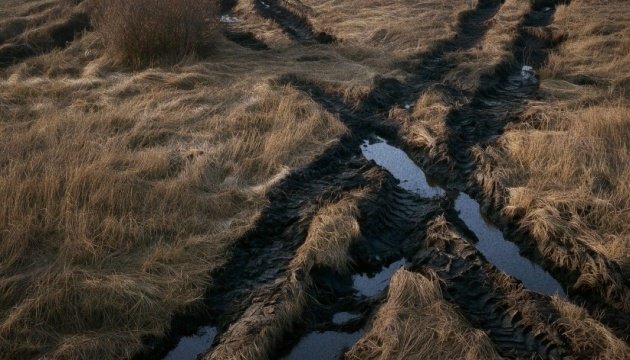
The damage to Ukraine’s protected areas—which include the iconic Askania-Nova biosphere reserve, the Meotyda National Nature Park, the Kinburn Spit, and the ancient Kreminna Forests—is profound. According to experts, the environment is suffering from a combination of direct combat impacts and long-term degradation. Military fortifications, including trenches and tank barriers, are physically carving up landscapes, while the relentless movement of heavy machinery compacts soil, destroys sensitive root systems, and disrupts natural drainage patterns vital to local flora.
The chemical legacy of the occupation is perhaps even more concerning. Leaking fuel, lubricants, and the toxic residues from scattered ammunition are contaminating soil and water tables. In the Meotyda National Nature Park, the construction of defensive berms has already decimated critical bird nesting sites, threatening the reproductive cycles of vulnerable species. Meanwhile, widespread fires triggered by shelling have ravaged vast tracts of vegetation, obliterating animal habitats and food sources.
These acts of environmental destruction are increasingly being categorized as “ecocide.” The financial implications are staggering: the State Environmental Inspectorate of the Southern District estimated that damages to protected sites in the Kherson region alone exceeded UAH 1.2 trillion—approximately $28 billion—as of late 2026. However, officials warn that the true cost may be incalculable, as much of the ecological harm is irreversible.
Under international law, the protection of the environment during armed conflict is not optional. Articles 35 and 55 of Additional Protocol I to the Geneva Conventions mandate that parties to a conflict must prevent “widespread, long-term and severe damage” to the natural environment. Furthermore, the Rome Statute identifies the intentional infliction of such damage as a potential war crime. Despite these legal frameworks, the HUR maintains that the Kremlin’s creation of occupation-era bureaucratic institutions offers no meaningful protection for these ecosystems.
Restoration efforts remain stalled, as a comprehensive assessment of the destruction is impossible while territories remain under military occupation. Environmental scientists suggest that even once these areas are liberated, the remediation of soil and the restoration of damaged habitats will require decades of intensive labor and resources.
As the war continues, the Russian military’s use of protected reserves as training grounds or staging areas highlights a grim reality: the environment has become both a casualty and a tactical target. For the people of Ukraine, the preservation of these lands is a matter of national heritage, but for the international community, the unfolding crisis represents an urgent challenge in documenting, prosecuting, and eventually reversing what may be one of the most severe regional environmental catastrophes of the 21st century.
Disclaimer: This content is auto-generated for informational purposes only.
Source: Read Original News