




While national attention was consumed by election results during the week of October 30 through November 5, several critical energy and regulatory developments took place that will directly influence household utility bills and industrial supply chains.
Energy Security and Heating Costs
To guard against potential winter supply chain disruptions, the U.S. Department of Energy (DOE) initiated an emergency exchange on November 4, releasing 300,000 barrels of ultra-low sulfur distillate from the Northeast Home Heating Oil Reserve. The fuel, sourced from storage sites in Boston and New Haven, Connecticut, is intended to stabilize regional supply. Under the terms of the exchange, recipients are required to replenish the reserve with an equal volume of fuel, plus a premium, before the 2027–2028 heating season.
Simultaneously, state-level initiatives are preparing for the financial challenges of the coming winter. Pennsylvania’s Department of Human Services officially opened its Low-Income Home Energy Assistance Program (LIHEAP) on November 2. The program, which will accept applications through April 23, 2027, provides cash grants ranging from $200 to $1,000 to assist qualified households with utility costs. These funds are credited directly to utility or heating fuel accounts, providing a vital buffer for low-income residents following recent congressional efforts to protect the program from proposed funding cuts.
Utility Regulation and Grid Infrastructure
On November 5, the Oklahoma Corporation Commission approved a rate increase for Public Service Company of Oklahoma (PSO). While the utility had initially sought a 15% increase, the commission capped the rise at 3.55% for residential customers. Despite the reduced rate, customers will not be refunded the interim charges accumulated since July. Additionally, the commission approved a new rate class specifically for “large-load” customers, such as data centers that consume more than 75 megawatts. This move aligns with national trends where utilities are imposing stricter, multi-year contract terms on massive electricity users to cover the infrastructure costs associated with high-capacity demands.
On the infrastructure front, the DOE announced a $237 million funding opportunity on October 30 under its “Grid Supply Chain Alternatives to Lead Energy Dominance” (SCALED) program. With lead times for large transformers reaching three to four years, the initiative aims to revitalize the domestic supply chain. Up to $187 million is earmarked for U.S.-made alternative materials, while $50 million will support equipment refurbishment and reuse. Concept papers for this funding are due by November 20.
Corporate Shifts and Product Safety
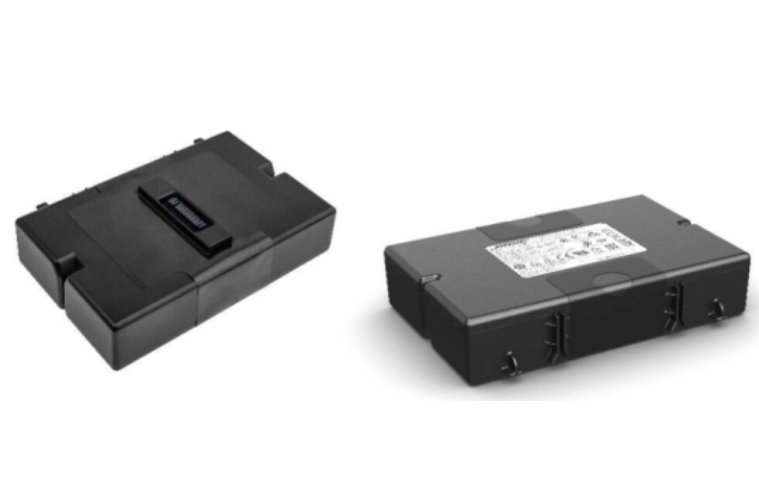
The private sector faced significant operational hurdles this week, most notably in consumer electronics. On November 5, the U.S. Consumer Product Safety Commission (CPSC) announced a recall of approximately 634,759 lithium-ion battery packs used in Bose S1 Pro and S1 Pro+ Bluetooth speakers. The recall follows reports of fire and overheating hazards. The CPSC issued a specific warning against placing these batteries in household trash or standard recycling bins, citing the risk of fires at waste management facilities. Owners are advised to contact local hazardous waste programs for disposal instructions.
In the transportation energy sector, Blink Charging signaled a strategic pivot during its November 5 earnings call. Reporting a 32% year-over-year decline in third-quarter revenue, the company trimmed its full-year guidance and announced a rebranding effort to “Blink Energy,” emphasizing a shift toward energy management services.
Meanwhile, transport and logistics sectors received some relief at the pump. According to AAA, the national average for regular gasoline dropped to $4.0688 as of November 6, down from $4.2258 the previous week. While prices remain elevated above the $4 mark, the consistent decline since late October offers a modest reprieve for fleet operators and household budgets alike.
Disclaimer: This content is auto-generated for informational purposes only.
Source: Read Original News