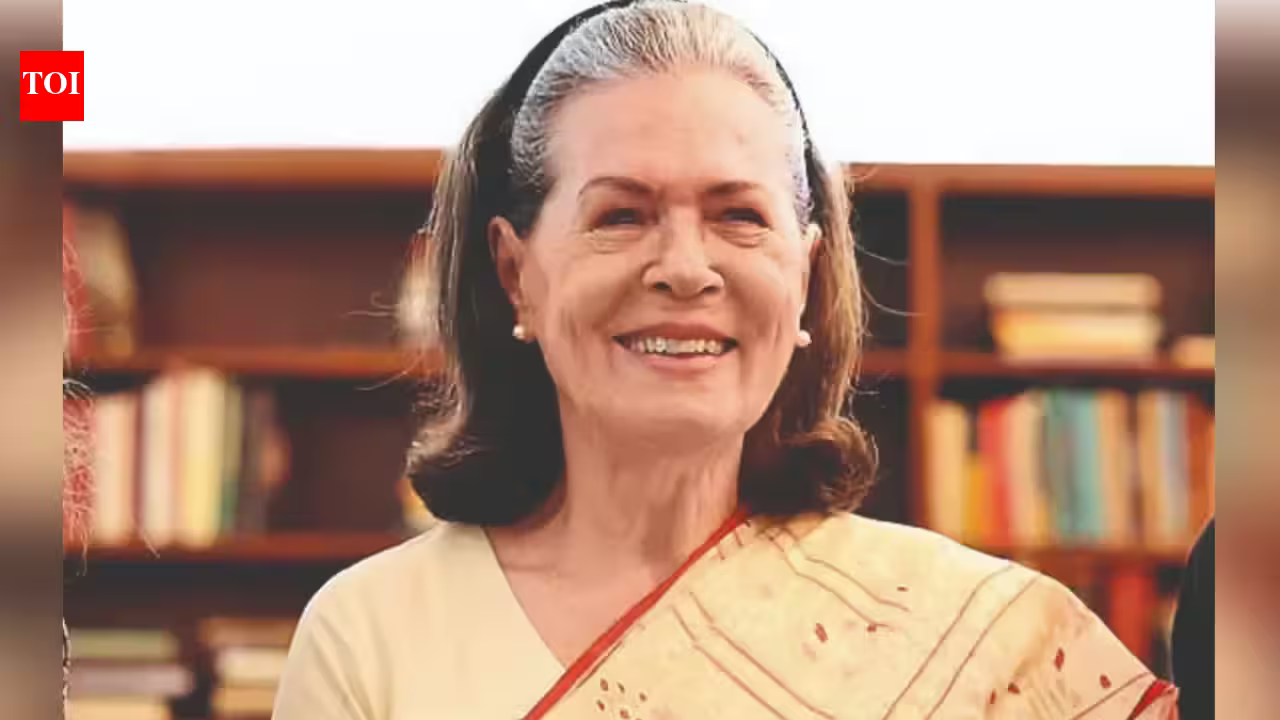









Sonia Gandhi Reflects on Legacy, Duty, and the ‘Love Story’ Behind Her Memoir
In a candid and wide-ranging interview with The Hindu, former Congress President Sonia Gandhi has offered deep insights into her upcoming memoir, Belonging: A Journey of Love. Published by HarperCollins India, the book serves as both a personal reflection on her life as part of India’s most influential political family and a commentary on the shifting landscape of Indian democracy.
From Italy to India: A Life of Duty
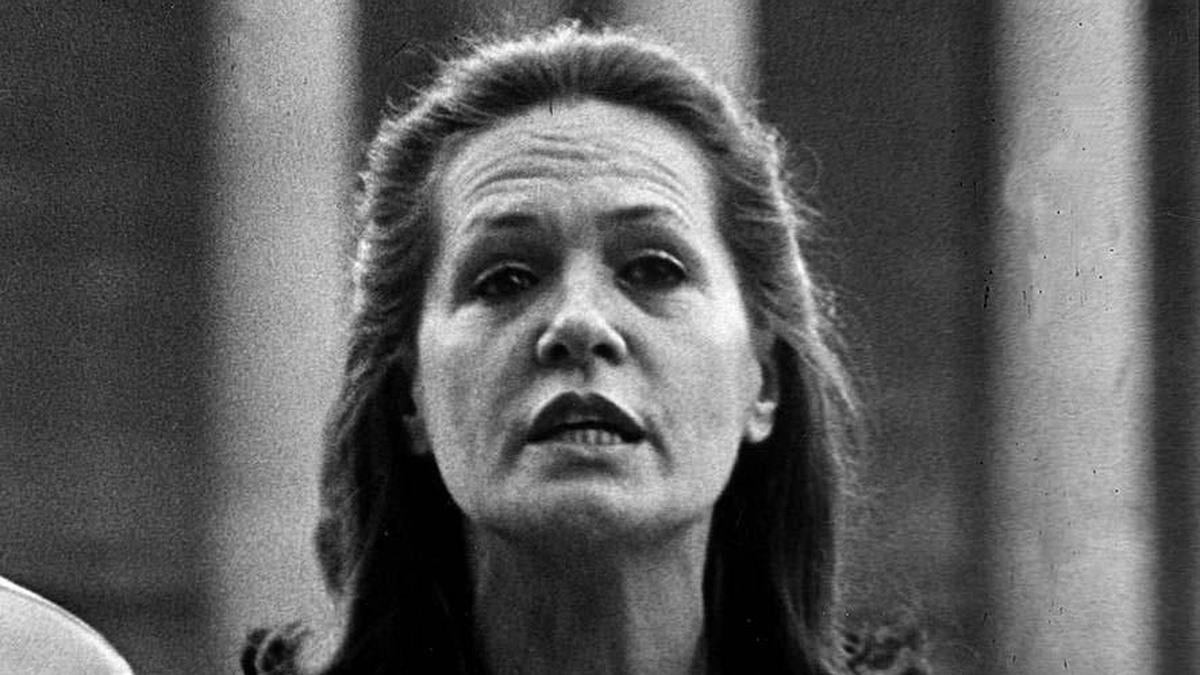
When asked about the evolution of her identity over the last six decades, Gandhi maintained that the core values she brought from her small-town Italian upbringing—loyalty, sincerity, and a sense of responsibility—remain intact. However, she admitted that her transition into Indian public life was far from planned. She described the trajectory of her life as “stranger than fiction,” noting that her eventual entry into politics was driven not by personal ambition, but by a perceived threat to the nation’s democratic framework and the legacy of her late husband, Rajiv Gandhi, and mother-in-law, Indira Gandhi.
Addressing the Emergency
The interview touched upon the sensitive chapter of the 1975-1977 Emergency. While acknowledging that it was a “dark chapter” characterized by the curtailment of democratic rights, Gandhi contextualized the period through the lens of her mother-in-law’s struggles. She emphasized that Indira Gandhi faced intense pressure from various quarters and that she eventually recognized the gravity of the situation, ultimately calling for elections in 1977 and expressing regret for the excesses that occurred.
Political Principles and Compromises
Addressing the current political climate, Gandhi did not mince words regarding the ruling dispensation. She accused the BJP-RSS of inflicting severe damage on India’s institutions and social fabric. When questioned about the compromises she had to make during her long tenure as Congress President, she admitted that while some political alliances with differing ideologies were necessary, she remained firm on one principle: the Congress would never compromise with the ideology of the RSS or the BJP.
Discussing her 2004 decision to decline the Prime Ministership, Gandhi clarified that she harbored no “what-ifs” regarding the policies of the UPA era. She emphasized that her partnership with Dr. Manmohan Singh was effective, with distinct roles that allowed the government and the party to function as a cohesive team.
Resilience in the Face of Adversity
Gandhi dismissed claims that the Congress is a party in terminal decline. She argued that the party has been fighting an uphill battle against a systemic “stranglehold” on institutions, the media, and financial resources. Despite these hurdles, she expressed optimism, asserting that the party’s resilience has been proven by its consistent fight for constitutional values across the country.
Regarding the recent controversy surrounding the change of publishers—from Penguin Random House to HarperCollins just weeks before the book’s release—Gandhi maintained a dignified silence, stating that she preferred not to engage with such controversies.
As she prepares to share her story with the public, the memoir stands as a testament to her transformation from a reluctant political figure to a steadfast guardian of the values she believes define India. For Gandhi, the book is more than a political record; it is a personal account of how she found a sense of belonging in a country she eventually called home.
Disclaimer: This content is auto-generated for informational purposes only.
Source: Read Original News