







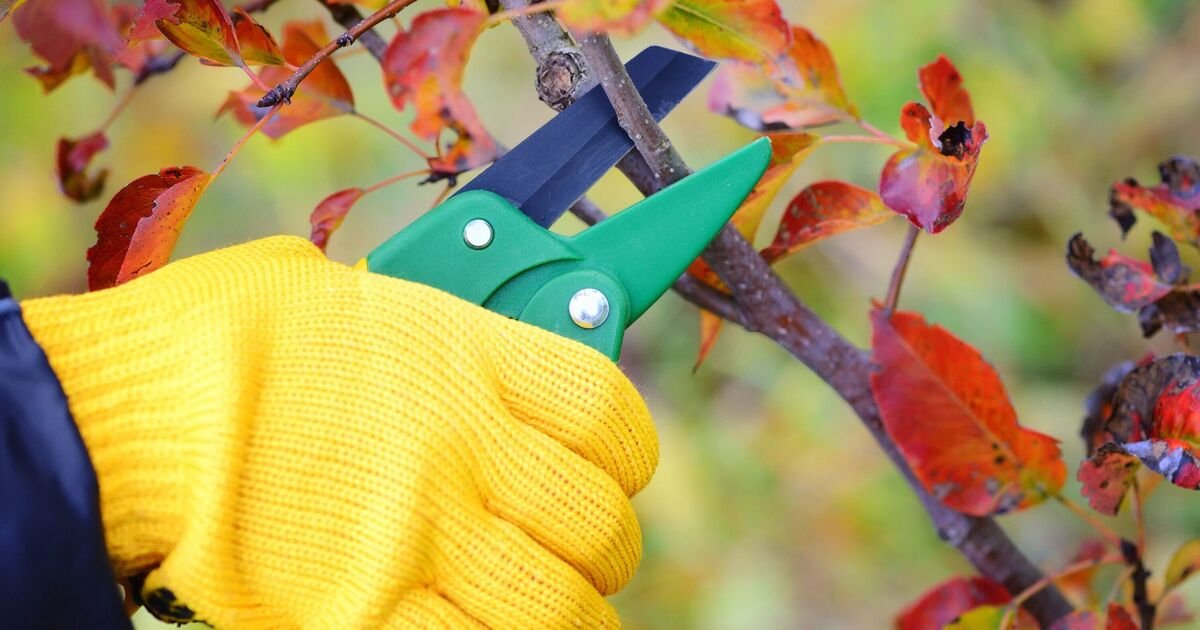
As the temperatures dip and the days grow shorter, it is easy to assume that your garden chores are over for the year. However, if you want your outdoor space to look its best come spring, November is actually one of the most productive months you can spend in the dirt. With many plants entering a state of dormancy, now is the perfect time to grab your secateurs and get to work.
Why November is the Ideal Time to Prune
Gardening tasks shift significantly as autumn wanes. Once trees and shrubs drop their leaves, their structural form becomes much easier to see. This clarity allows you to make precise cuts, ensuring you remove dead, diseased, or crossing branches that could cause trouble later on. Pruning while plants are dormant minimizes stress on the plant and sets the stage for a spectacular display when the warmer weather returns. If you feel like your garden has become a bit overgrown or untidy, this is your chance to reset the stage.
Essential Care for Your Floral Favorites
Roses are a classic garden staple, and a light trim in November is a great way to prevent wind-rock, which occurs when strong winter gusts shake the base of the plant. While a harder prune is often reserved for early spring, a quick tidy-up now keeps them looking sharp through the winter.
Similarly, peonies can be quite demanding. To prevent the spread of fungal diseases that thrive on decaying foliage, cut back their leaves once they turn brown or yellow. By clearing this debris, you ensure your peonies start fresh and healthy next season, avoiding the risk of spores overwintering in your garden beds.
Tidying Up Your Perennials and Fruits
If you grow fruit, such as blackberries, raspberries, or currants, you likely know the drill: after the harvest, the work continues. Once these bushes shed their leaves, focus on cutting back any stems that bore fruit this year. By clearing these out and trimming the center shoots, you improve air circulation throughout the plant. This simple practice encourages new, vigorous growth and makes your next harvest even more bountiful.
Daylilies also require a bit of attention, though the timing is specific. Experts suggest waiting until after the first frost before cutting them back. Pruning them too early can interrupt their cycle of gathering energy through sunlight, which keeps the plant strong. Once the frost has done its part, however, trimming back the dead leaves will instantly make your garden beds look cleaner and more organized.
Refining Your Hellebores and Salvias
Hellebores provide beauty when the rest of the garden is sleeping, but they benefit greatly from a little housekeeping. Removing old, damaged, or spotted leaves in November creates a clear stage for the new flower shoots to shine. Just be sure to handle them with care, as you do not want to disturb the tender buds developing near the base.
Perennial salvia is another plant that responds well to this seasonal maintenance. Cutting these resilient plants down to the ground before winter truly sets in can encourage them to bloom twice as heavily the following year. It also helps manage their growth habits, preventing the stems from becoming unnecessarily woody and unruly.
The Final Touch: Iris Maintenance
Finally, keep your irises in mind. It is a common mistake to trim these back too soon after they finish flowering, but by the time November rolls around, they are ready for a haircut. Cutting the foliage back to roughly four to six inches is a practical step that promotes better health and more vibrant blooms for the next year.
Gardening in the colder months might require a warm pair of gloves and a bit of determination, but the rewards are well worth the effort. By dedicating a few hours this month to these seven plants, you are essentially gifting your future self a much more beautiful and manageable garden once spring arrives.
Disclaimer: This content is auto-generated for informational purposes only.
Source: Read Original News