









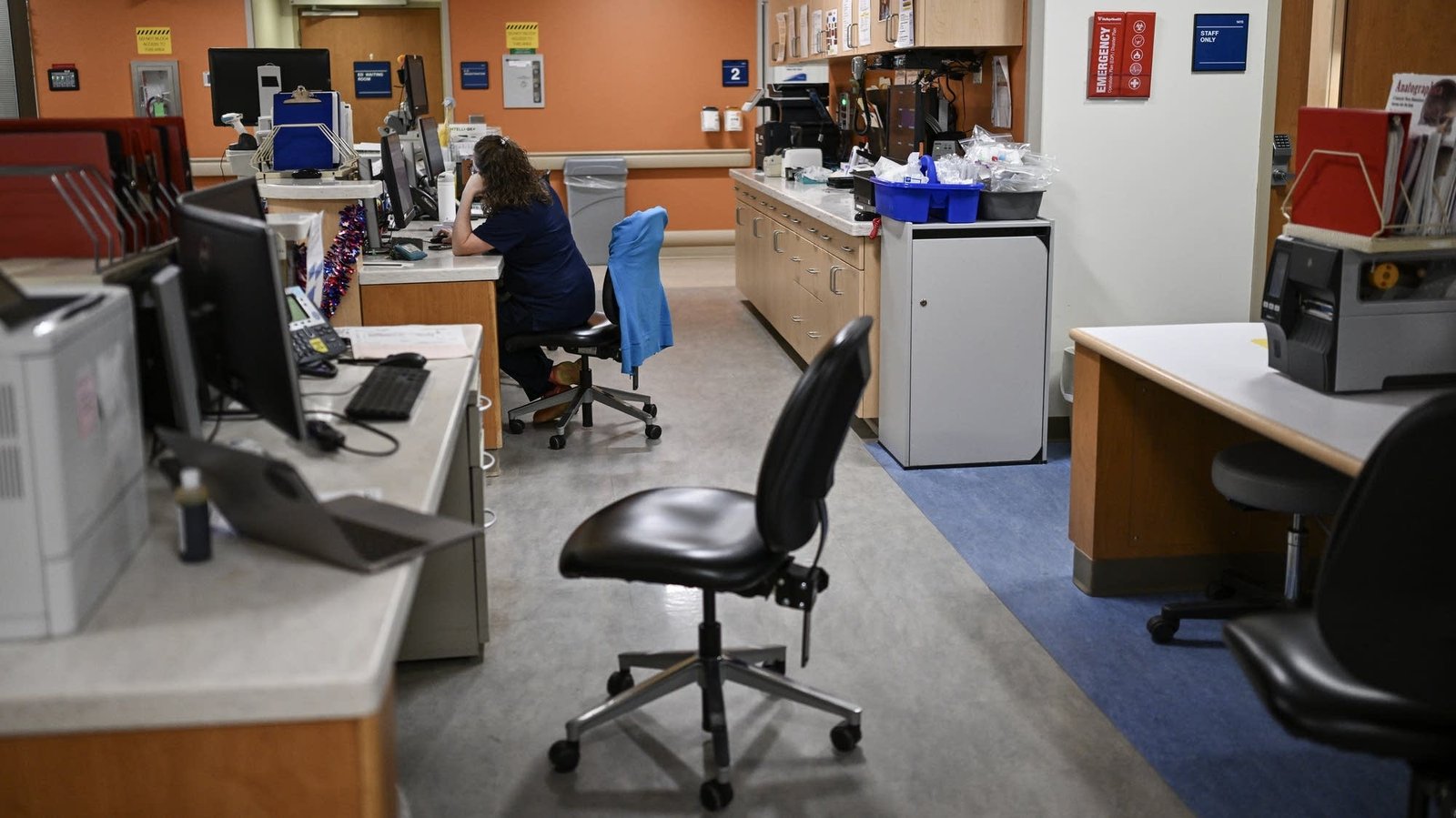
Minnesota’s healthcare landscape is facing a precarious turning point as a “statewide crisis of care” threatens the stability of medical facilities across the North Star State. A sobering new report from the Minnesota Hospital Association (MHA) has revealed that the financial foundations of the state’s health systems are cracking, with over 25% of hospitals operating at a loss throughout 2024. As labor costs, supply chain inflation, and aging infrastructure continue to climb, patients are increasingly feeling the ripple effects in the form of shuttered departments and longer travel times for essential services.
The Digital Shift: How Data and AI Are Changing Hospital Economics
The financial strain highlighted by the MHA is forcing health systems to rethink how they deliver care in an era of tightening budgets. Increasingly, hospitals are turning to modern technology to bridge the gap between dwindling resources and rising patient demand. While the core issue remains a fiscal shortfall, many institutions are exploring how Google Cloud’s healthcare-specific AI tools—such as Vertex AI for healthcare—could help streamline administrative burdens.
By automating clinical documentation and optimizing patient scheduling, hospitals aim to reduce the overhead costs that are currently threatening their solvency. For independent providers like Winona Health, leveraging data analytics is no longer a luxury but a necessity. The goal is to move from reactive, manual processes to predictive, technology-driven operations that can identify at-risk patients earlier, theoretically lowering the long-term cost of acute care. However, as these systems integrate, experts argue that tech alone cannot solve the fundamental shortfall in healthcare funding, particularly in underserved rural areas where high-speed connectivity and digital infrastructure may still be in development.
Rural Healthcare at a Crossroads
The report warns that the crisis is disproportionately impacting rural Minnesota. When a hospital faces insolvency, the first services to be cut are often the most critical ones—labor and delivery units, emergency stabilization, or specialized surgical suites. This shift forces residents to travel significant distances to reach urban centers, creating a “care desert” that complicates health outcomes.
Industry observers note that the integration of digital health, including telemedicine platforms powered by global tech leaders, has been touted as a solution. By bringing specialized expertise from major metro areas into rural clinics via high-definition video conferencing, hospitals hope to maintain service levels without the prohibitive cost of on-site specialists. Yet, the physical reality remains: for emergencies, a virtual consultation cannot replace a physical bed or a surgical team.
A Community Call for Solutions
As the MHA and health leaders like Dr. Rahul Koranne and Rachelle Schultz prepare to discuss these challenges on MPR News, the public is being invited to the center of the conversation. The dialogue is shifting from simple balance sheets to the broader question of how the state intends to prioritize its most essential service.
The technological transition—moving toward AI-driven diagnostics and remote monitoring—is happening simultaneously with this fiscal collapse. The intersection of these two forces will likely define Minnesota’s medical future. While Google and other tech giants continue to deploy sophisticated AI to assist in administrative efficiency and precision medicine, stakeholders are asking a more pressing, localized question: How do we preserve the human touch and local access in a world where the economics of care no longer seem to add up?
As the conversation evolves, the focus remains on finding a sustainable model that balances the high costs of modern medical innovation with the fundamental right to accessible healthcare, no matter where a patient lives in the state.
Disclaimer: This content is auto-generated for informational purposes only.
Source: Read Original News