









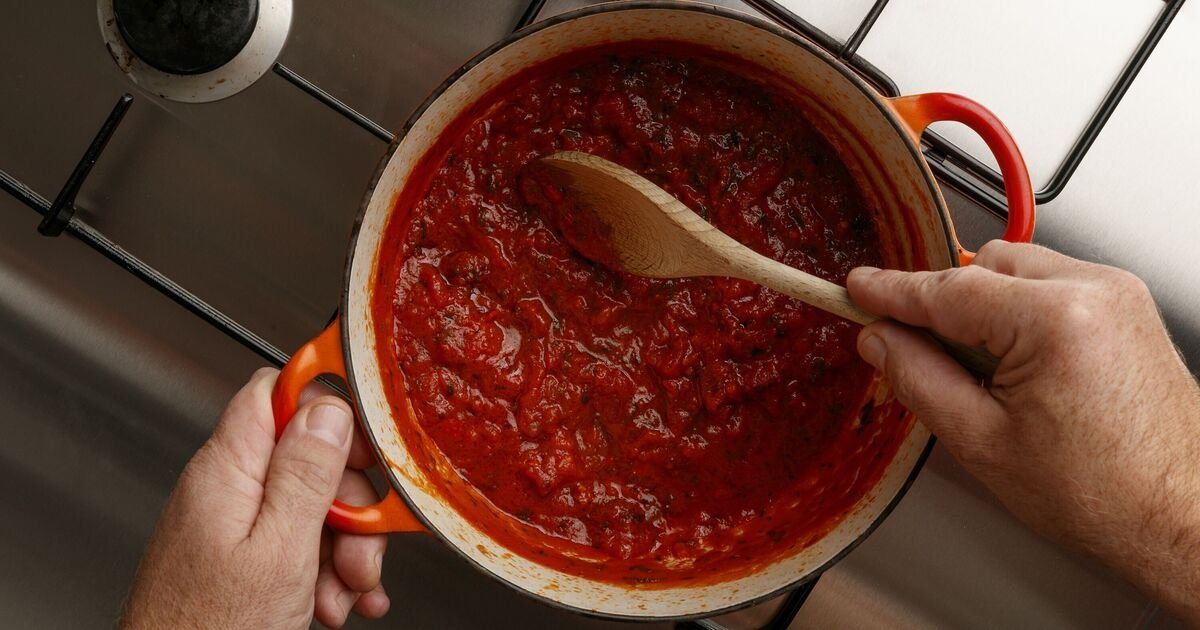
We have all been there: it is 7:00 PM on a Tuesday, you are hungry, and the only thing standing between you and a solid dinner is a jar of store-bought marinara and a box of spaghetti. You pour the sauce into the pan, but instead of a rich, luxurious coating for your noodles, you get something that looks a bit like tomato-tinted water. It slides right off the pasta, leaving you with a sad, pale meal that lacks character.
While many of us reach for heavy cream or extra cheese to solve this problem, there is a much healthier and smarter secret sitting right in your pantry. If you want a thicker, heartier sauce that feels like it came from a professional kitchen, look no further than your collection of canned legumes.
The Magic of Starchy Beans
It might sound strange to stir beans into a traditional tomato sauce, but the science behind it is sound. Legumes like cannellini beans, butter beans, and chickpeas are naturally loaded with complex carbohydrates and starch. When you break these down, they transform into a thick, velvety puree that acts as a natural binding agent.
Because these beans have a remarkably neutral flavor profile, they disappear into the background of your meal. You get all the body and richness of a slow-cooked ragu without the need for simmering a pot for three hours. Plus, you are sneaking in a fantastic boost of plant-based protein and fiber, turning a simple bowl of carbohydrates into a much more substantial and satisfying meal that will keep you full until the next day.
Choosing the Right Legume
Before you grab the first can you find, a word of caution: not every bean is right for the job. To keep your pasta sauce looking appetizing and tasting authentic, stick to lighter-colored varieties. Cannellini beans, chickpeas, and lentils are the gold standard here. They blend into a smooth, creamy base that maintains the bright red hues of your marinara or pomodoro sauce.
Avoid reaching for kidney beans, black beans, or pinto beans. Their dark skins will turn your vibrant tomato sauce a muddy, unappealing brown, and their distinct earthy tastes can overpower the delicate herbs and garlic that you likely already have in the sauce. Keep those beans for your tacos or chili, and stick to the lighter pantry staples for your Italian night.
Getting the Perfect Consistency
The transformation process is surprisingly straightforward. Start by thoroughly draining and rinsing your chosen beans or chickpeas in a colander. This step is essential; it removes excess sodium and any canning liquid that might introduce a metallic taste.
Once rinsed, do not just toss them whole into the pan. Use an immersion blender or a standard food processor to blitz the beans into a completely smooth puree. Once you have a velvety paste, stir it into your simmering sauce. You will notice the change in texture almost immediately. Because beans are experts at soaking up moisture, you might find the sauce gets a little too thick. If that happens, simply add a splash of your reserved pasta water—the liquid you saved after boiling your noodles—to loosen it back up to your desired consistency.
The Shortcut for Busy Evenings
If you are truly short on time and cannot be bothered to drag out the blender, there is an even faster hack available: hummus. Because hummus is essentially a pre-blended mixture of chickpeas, tahini, and garlic, it is the perfect secret weapon for a quick meal.
Simply scoop a few tablespoons of plain hummus directly into your warm pasta sauce and whisk it in. The tahini adds an extra layer of nutty depth, while the chickpeas provide that familiar thickening power. It is a foolproof way to salvage a thin, watery jar of sauce in less than a minute. Whether you use fresh beans or a scoop of hummus, you will never have to settle for watery, unsatisfying pasta again.
Disclaimer: This content is auto-generated for informational purposes only.
Source: Read Original News