







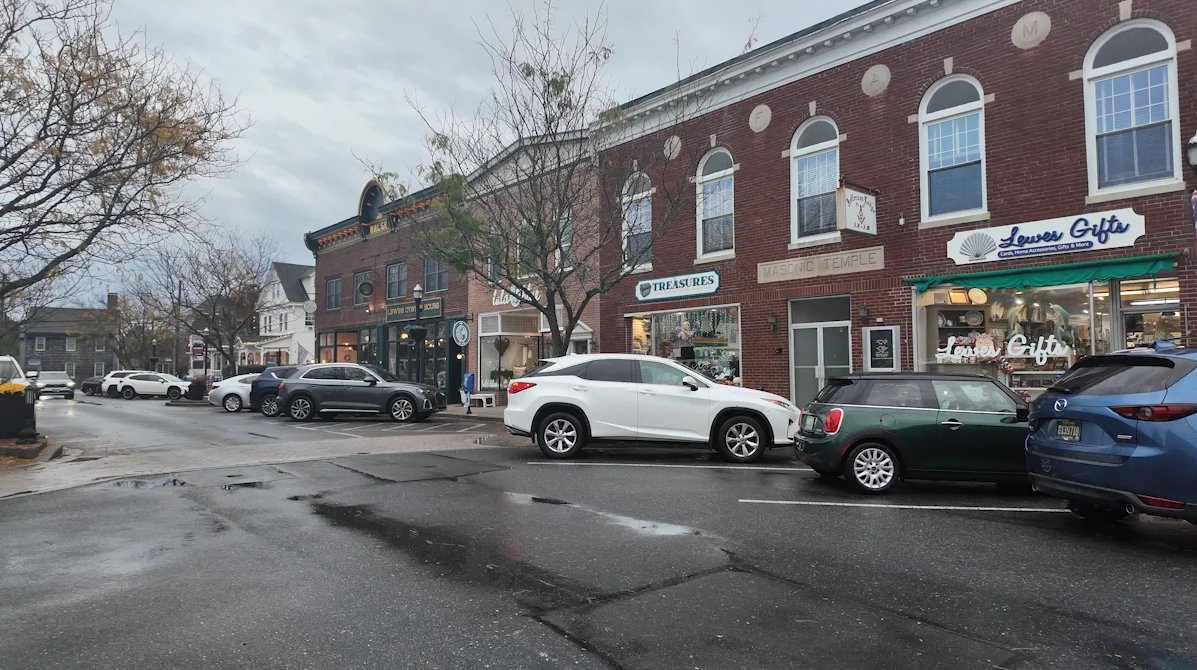
LEWES, Del. — Downtown Lewes business owners and local officials are turning to strategic planning and data-driven considerations to bolster the city’s economic vitality during the lean off-season months. During a recent committee meeting, stakeholders gathered to address the stagnation often felt by local merchants between January and May, debating potential policy shifts and community programming that could revitalize foot traffic.
## Rethinking Parking Infrastructure for Local Commerce
A primary point of contention in the local economy is the current parking management system. City officials are evaluating whether the existing two-hour minimum parking requirement is inadvertently stifling quick-stop business transactions. The committee floated a proposal to reduce the minimum parking interval to 30 minutes, a move designed to accommodate visitors making short trips to establishments like coffee shops, bakeries, and boutiques.
By leveraging a more flexible parking model, the city hopes to increase “churn,” or the turnover rate of parking spaces, which historically benefits neighborhood retailers. As urban planning increasingly leans on digital traffic sensors and smart-meter technology—similar to systems found in larger tech-integrated metropolitan areas—Lewes could potentially look toward AI-driven parking management tools. Such technology could provide real-time data on occupancy, helping city planners adjust pricing and duration policies dynamically based on seasonal demand, ensuring that business districts remain accessible without creating traffic bottlenecks.
## Boosting Off-Season Tourism via Community Programming
Beyond infrastructure, the conversation turned toward the calendar. Local workers, such as Jillian Kerr, have voiced strong support for organizing more festivals and city-sponsored events during the quieter winter and spring months. The consensus is that consistent, high-quality programming acts as a necessary bridge to keep businesses profitable when traditional beach-season tourism wanes.
While the discussion remains community-focused, the integration of modern event-marketing tech could play a crucial role. Cities across the globe are increasingly utilizing search engine optimization (SEO) and social media analytics to reach specific demographics. By capitalizing on Google’s local discovery tools, such as Google Maps and Search features that highlight “things to do” based on seasonal trends, Lewes could better market its off-season calendar to a broader regional audience, ensuring that potential visitors are aware of the town’s activities even during non-peak travel times.
## Integrating Future Growth into the Comprehensive Plan
The committee’s focus on the economic landscape is merely a precursor to a larger shift in city management. These discussions are feeding into the development of a new comprehensive plan, which aims to modernize how Lewes approaches growth, transportation, and infrastructure over the coming decade.
The next phase of this planning process will occur on November 9, when the Planning Commission hosts a public meeting centered on transportation. As small towns like Lewes seek to balance their historical character with the modern demands of tourism and commerce, the integration of new technological frameworks will likely remain a key topic. Whether through smart infrastructure that tracks visitor flow or digital initiatives that extend the reach of local businesses, the goal remains the same: ensuring the town remains a vibrant, year-round destination.
Residents and business owners are encouraged to attend the November 9 session, as the decisions made there will form the framework for how the city utilizes its physical and digital space to support the local economy in the years to come. As the Planning Commission moves forward, the synergy between local feedback and adaptive, modern management strategies will serve as the engine for the city’s future prosperity.
Disclaimer: This content is auto-generated for informational purposes only.
Source: Read Original News