







Supreme Court Slams Delhi’s Pollution Strategy: Vehicular Emissions Under Fire
New Delhi — The Supreme Court of India delivered a stinging critique of the government’s failure to manage the national capital’s worsening air quality on Friday, pointing to rampant vehicular congestion as a primary driver of the environmental catastrophe.
As the Air Quality Index (AQI) in Delhi continues to hover well above the “hazardous” threshold of 300, a bench led by Chief Justice of India (CJI) Surya Kant, alongside Justices Joymalya Bagchi and V. Mohana, opened the hearing with a somber reflection on the city’s dismal living conditions.
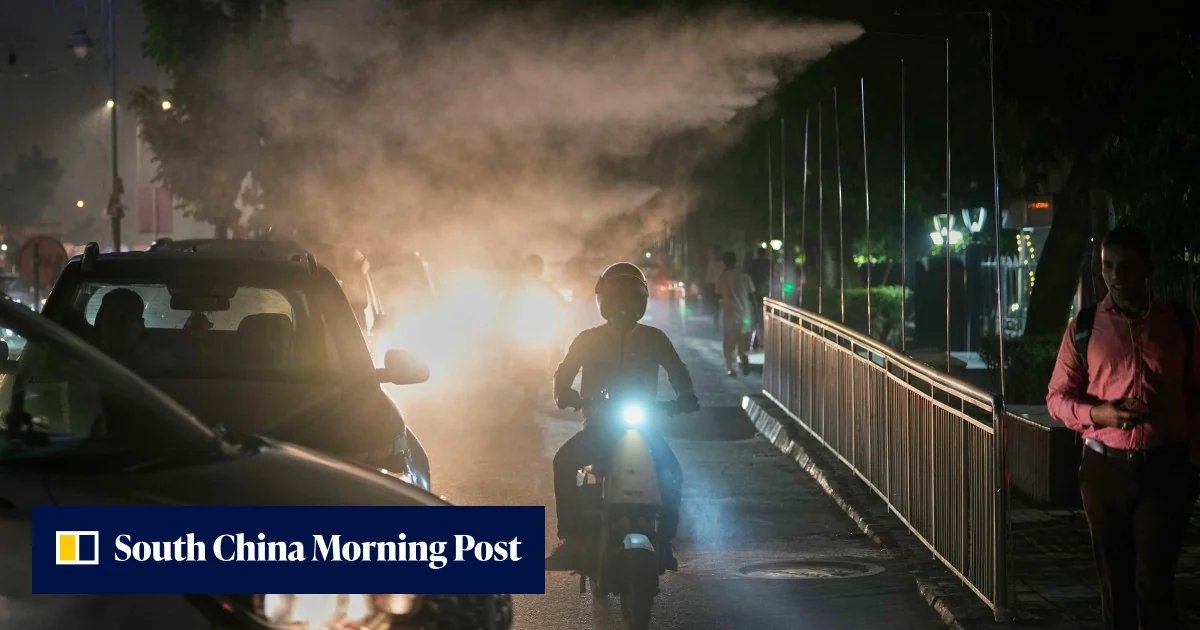
“I hope you all are enjoying the weather in Delhi,” the Chief Justice remarked, a sarcastic jab at the thick, toxic smog that has turned the capital’s skyline into a grey, unbreathable abyss.
The Problem on the Roads
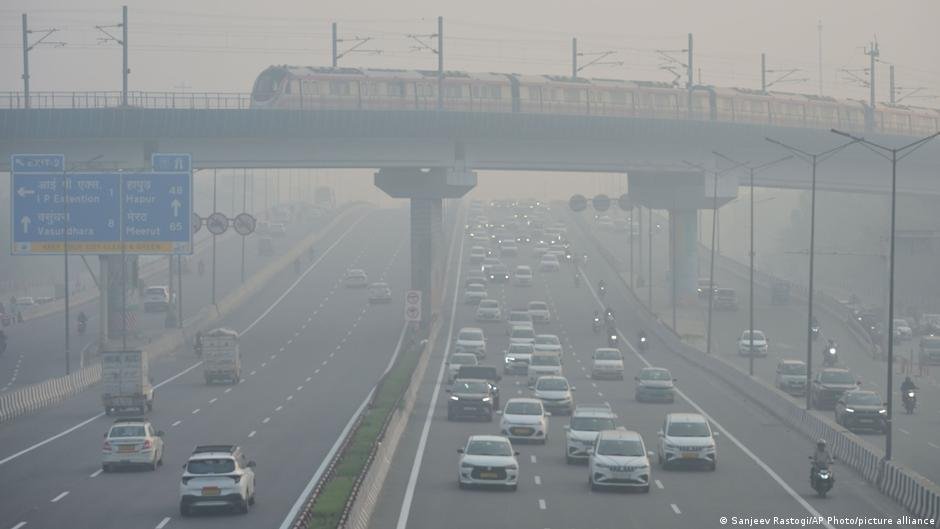
The apex court’s observations shifted the narrative from the seasonal debate over stubble burning to the daily reality of Delhi’s streets. CJI Kant highlighted that the gridlocked traffic, both within the city and on the vital arteries connecting the capital to the surrounding National Capital Region (NCR), serves as a constant, year-round source of dangerous particulate matter.
“A major cause of the pollution is vehicular pollution. Look at the roads in Delhi, look at the roads connecting Delhi to the NCR… the kind of bumper-to-bumper traffic… that’s the major cause,” the Chief Justice asserted.
The bench expressed deep skepticism regarding the efficacy of current mitigation efforts, noting that despite years of judicial and executive intervention, the city’s air has reached a point where “severe” pollution levels are now considered the “new normal.” The court described the target of bringing the AQI below 100 during winter as “utopian” given the current lack of systemic progress.
Beyond Stubble Burning
While acknowledging the role of agricultural waste burning, the Supreme Court took a nuanced stance, urging authorities to move away from punitive measures toward farmers. The court emphasized that unless the government provides concrete economic incentives and practical, accessible alternatives to burning crop residue, the practice—and its resulting smog—will persist.
The bench also addressed the upcoming festival season, urging citizens to embrace environmental stewardship. With Diwali celebrations approaching, the court called for a return to traditional, responsible ways of marking the festival, cautioning against the excessive use of firecrackers that invariably trigger a massive spike in pollutant concentrations.
A Call for Accountability
The hearing underscored a widening gap between official policy and the reality on the ground. By questioning why past measures have failed to yield tangible results, the Supreme Court has placed the burden of proof back on the executive branch. The bench’s message was clear: aesthetic or temporary interventions are no longer sufficient to combat a public health crisis that has effectively held the residents of Delhi hostage for years.
As winter settles in, trapping pollutants in the cold, stagnant air, the court’s intervention serves as a reminder that the capital’s environmental health requires a radical rethink of urban infrastructure, traffic management, and civic responsibility. For now, Delhiites continue to endure the “new normal,” waiting to see if these judicial observations will finally spark the meaningful administrative reforms needed to clear the air.
Disclaimer: This content is auto-generated for informational purposes only.
Source: Read Original News